US launches fresh strikes on Iran as Trump warns of ‘biggest attack’ yet
Washington: The United States has launched a fresh wave of strikes against Iranian targets, sharply escalating tensions between Washington and Tehran after alleged attacks by Iran's Islamic Revolutionary Guard Corps (IRGC) on commercial shipping in the Strait of Hormuz and US personnel in the Middle East.
US Central Command (CENTCOM) said the strikes began at noon Eastern Time on Tuesday, targeting IRGC positions in Iran. Washington said the operation followed recent attempts by the Iranian force to attack commercial vessels in the strategically vital waterway and American service members stationed in the region.
The latest action comes only days after the US struck Iranian rocket launchers on Larak Island, alleging that the IRGC was preparing to deploy sea mines in the Strait of Hormuz. Iran subsequently launched missiles towards US facilities in Jordan, while the UAE said it had intercepted an Iranian drone over its waters.
Trump warns of a much bigger strike
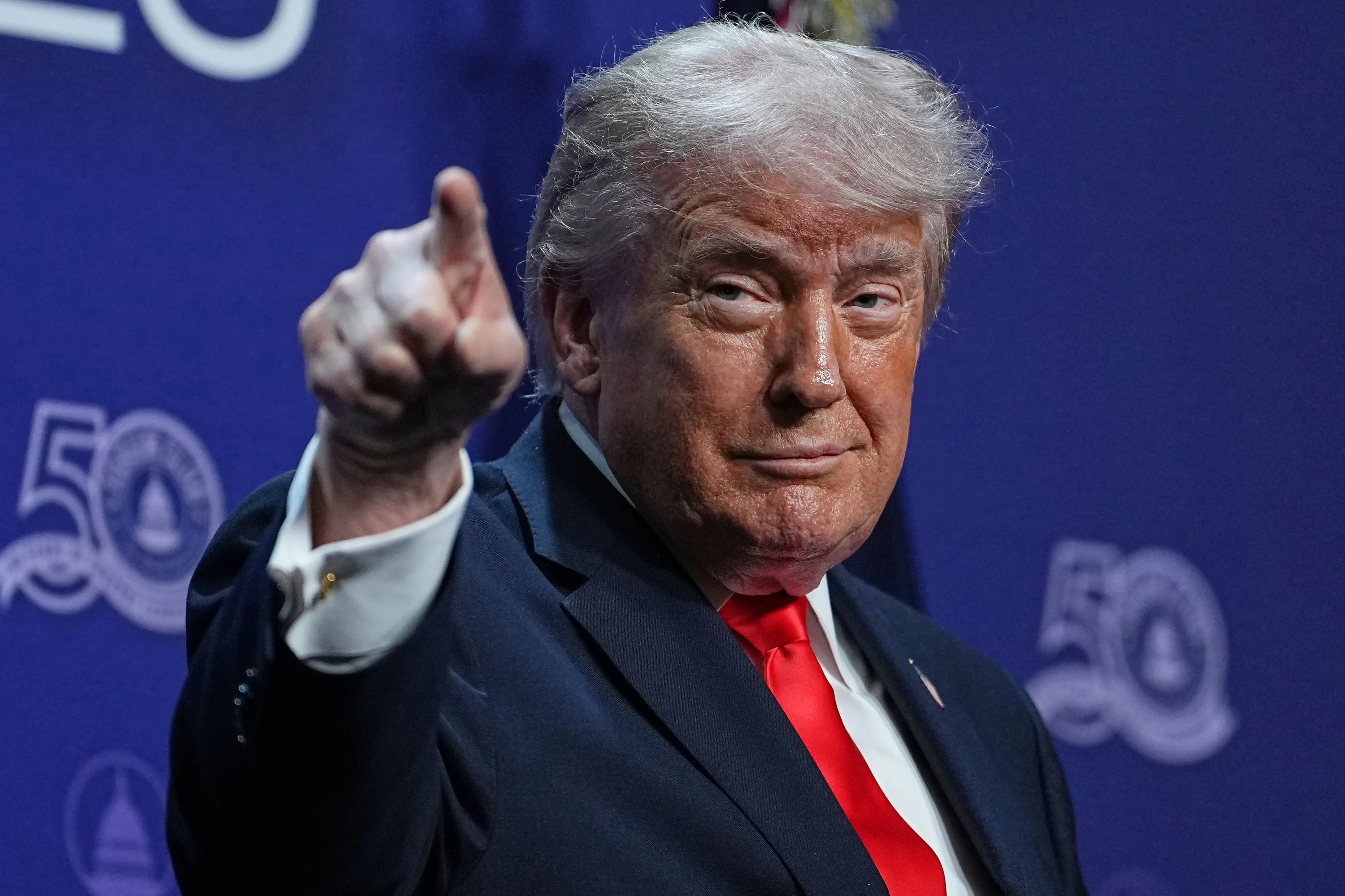
US President Donald Trump issued a stark warning to Tehran following the latest attacks, saying Iran would face a substantially more severe response if it retaliated.
In a post on Truth Social, Trump described the US action as justified and warned that the strikes being carried out now would not represent the largest attack Iran could face.
Trump has repeatedly indicated that Washington could intensify its military campaign if Tehran continues targeting US interests or shipping in the region.
His latest warning raises the prospect of another escalation in a conflict that has already stretched for more than six months and threatens to destabilise the wider Middle East.
Iran reports strikes in southern areas
Iranian state media reported that four projectiles had struck areas in Chabahar and Konarak, east of the Strait of Hormuz.
The official IRNA news agency, citing provincial official Ali Khalilabadi, reported the strikes but did not immediately provide details on casualties or damage.
The Strait of Hormuz remains at the centre of the confrontation. The crucial shipping route has effectively remained closed during the conflict, while the US continues efforts to enforce its naval blockade of Iranian ports. Recent fighting around the waterway has already raised concerns over disruptions to global energy supplies.
Conflict threatens wider regional stability
The latest confrontation follows weeks of military exchanges between the two countries.
The US had launched strikes on Iranian positions around the Strait of Hormuz in recent months, while Iran has responded with attacks on US military facilities and targets in Gulf countries.
The renewed fighting also comes against the backdrop of an earlier US attempt to shift towards economic pressure on Tehran. The Trump administration had promoted tougher sanctions as a way of forcing Iran towards concessions after decades of US economic restrictions.
However, the return to direct military action suggests that diplomatic and economic pressure has failed to prevent another escalation.
US faces pressure over military resources
The renewed campaign is also placing pressure on US military resources. American stocks of advanced weapons and defensive interceptors have been declining amid sustained operations in the region, raising concerns among US officials about the ability to maintain the current pace of strikes while preserving military readiness elsewhere.