US Senate Democrats block USD 1.15 trillion Defence Bill over Iran war fears
Washington: In a rare legislative standoff, Senate Democrats on Tuesday derailed a massive $1.15 trillion Pentagon policy bill. The block stems from escalating pushback over President Donald Trump’s military strategy in Iran, with lawmakers demanding stricter limits on the administration’s war powers.
The National Defense Authorisation Act (NDAA), an annual defense policy package that traditionally passes with broad bipartisan backing, fell short of the 60 votes needed to trigger a formal Senate debate. The procedural vote collapsed in a 50-46 split, with every present Democrat voting against advancement.
The defeat marks a major blow for Senate Republicans, who have been trying to push through Trump’s record-breaking defense budget proposals. For months, Democrats signaled they would withhold support for the Pentagon legislation unless it featured clear safeguards limiting executive authority over the active US military operations in Iran.
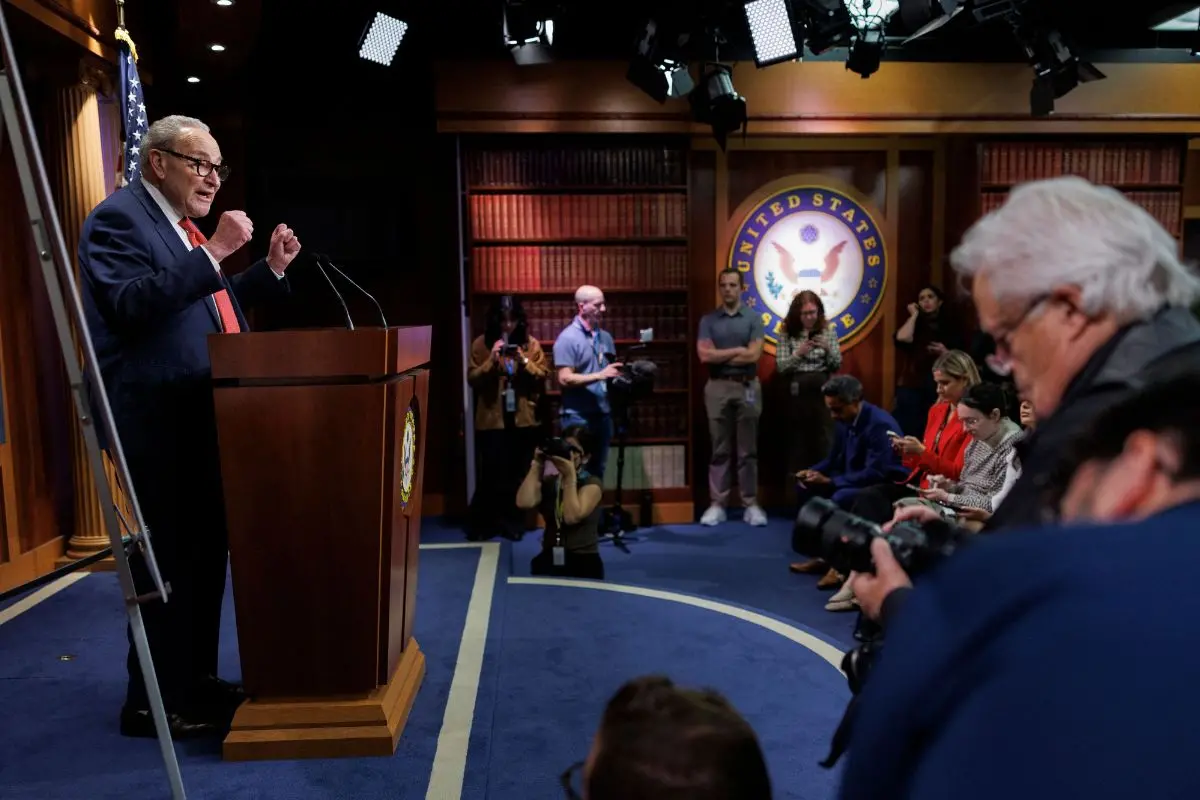
Following the vote, Senate Minority Leader Chuck Schumer sharply criticised the bill's lack of oversight.
"The NDAA cannot become a permission slip for that recklessness that we see occurring in Iran," Schumer said. "Donald Trump does not get to drag the American people deeper into a war he cannot explain and does not know how to end, and then demand Congress look the other way."
Conversely, Senate Majority Leader John Thune and fellow Republicans fired back, accusing Democrats of injecting politics into vital national security matters. To preserve the procedural right to bring the legislation back to the floor in the future, Thune strategically flipped his own vote from "yes" to "no”.
Halting the NDAA before a debate even starts is an exceedingly rare move in Washington, last seen over 15 years ago when Republicans blocked the defense bill during the debate to repeal the military's "don't ask, don't tell" policy.
The current gridlock coincides with a recent surge in U.S. military strikes against Iran after President Trump officially ended a months-long ceasefire. While Republicans largely back the heavy defense spending, some lawmakers harbor quiet anxieties regarding the war's economic fallout—specifically the risk of spiking fuel prices ahead of the upcoming midterm elections.
The $1.15 trillion policy bill is part of a broader $1.5 trillion defense budget request from the White House, which also includes a separate, incoming request for $67 billion strictly earmarked for Iran war operations. Democrats argue these historic sums should be balanced against pressing domestic needs and cost-of-living relief for Americans.
Signs of the party-line fracture were evident last month during the Senate Armed Services Committee's closed-door review, where only four of the panel's 13 Democrats supported the draft. Ultimately, even those four lawmakers—including Rhode Island Senator Jack Reed, the committee’s ranking Democrat—joined the filibuster on the Senate floor.
Four senators missed the vote entirely: Republicans Jim Justice and Mitch McConnell, alongside Democrats John Fetterman and Alex Padilla.
Republicans continue to champion the stalled legislation, highlighting provisions that include a 3.6% pay bump for military personnel, accelerated drone technology programs, and aggressive funding for naval shipbuilding.
ANI