US sanctions 4 Indian companies, 3 nationals over $119 million Iran oil trade
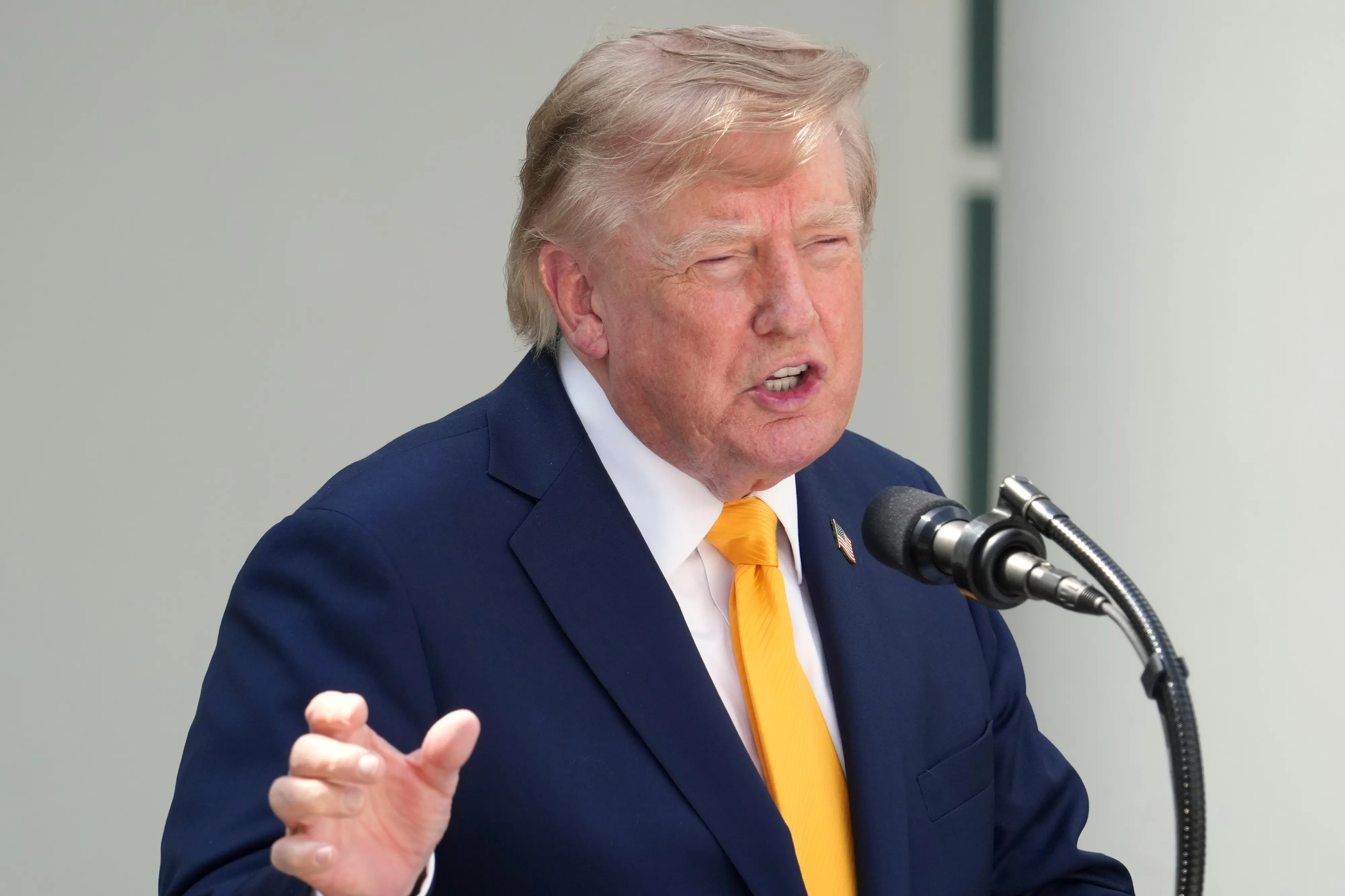
United States: The United States has sanctioned four India-based companies and three Indian nationals over alleged dealings involving Iranian oil and petrochemical products worth about $119 million, escalating Washington’s campaign to cut off Tehran’s access to global revenue.
The sanctions were announced under the Trump administration’s Operation Economic Outcast, part of what the US Treasury has described as an “economic onslaught” targeting Iran’s financial connections around the world.
According to the US Treasury, Sadashiva Overseas Limited imported about $69 million worth of Iranian-origin petroleum products between February 2024 and June 2025. Some of those shipments were linked to Bonjoure Commodity FZE, a company previously sanctioned by the US.
Two other India-based companies, PP Softtech Private Limited and Prakrutees Infra Impex India Private Limited, were each accused of importing about $25 million worth of Iranian-origin petroleum products.
The fourth company, Portease Partners LLP, an India-based customs broker, was sanctioned for allegedly facilitating multiple shipments of Iranian petrochemical products into India.
Three Indian nationals targeted
The US also sanctioned three Indian nationals in connection with the alleged trade.
They include Prashant Garg, director of PP Softtech, as well as Indrismiya Asharafmiya Shekh and Harish Ramchandra Rangi, both associated with Portease Partners.
The latest action is part of a broader sanctions package targeting nearly 60 individuals, companies and vessels. The list also includes around 20 companies based in China and Hong Kong and four China-based individuals.
US warns of tougher economic pressure on Iran
US Treasury Secretary Scott Bessent said the latest measures would “tighten the noose” around the Iranian government, describing Washington’s campaign as “economic D-Day”.
The US has warned that economic engagement “of any kind” with Iran could expose businesses and individuals to sanctions as Washington seeks to isolate Tehran financially.
The latest measures come despite a fragile ceasefire between the US and Iran, with no lasting settlement in place. Washington has previously sanctioned other India-based entities over alleged Iranian oil dealings, including four companies in February and six companies and three Indian nationals in July last year.
Iran rejects US sanctions
Tehran has rejected the latest sanctions, calling the US pressure campaign a threat to international law and the UN Charter.
Iranian Economy Minister Ali Madanizadeh said the country was prepared to withstand the measures and had a two-year plan to counter them.
Parliament Speaker Mohammad Baqer Ghalibaf also dismissed US threats against countries trading with Iran as “big talk”. He said Iran’s trading partners had indicated that they did not consider the US warnings meaningful and argued that Washington was not in a position to further restrict its economic ties with other countries.
Oil markets see some relief
The latest sanctions have also had an impact on oil-market expectations. Reuters, citing Saxo Bank commodity strategist Ole Hansen, reported that the shift from direct military confrontation to economic pressure had eased some concerns in the oil market.
Hansen said the sanctions package was less aggressive than some traders had expected.
The renewed focus on economic measures has also raised hopes of a possible return to negotiations between Washington and Tehran. Ritterbusch and Associates said a diplomatic opening could emerge, although it cautioned that oil prices could rebound sharply if Iran responds with attacks on US military installations in the Middle East.
A possible opening has emerged around the Strait of Hormuz, with Iran and Oman saying they discussed a proposal for a temporary joint navigational corridor and plans to clear mines from the strategic waterway.
The developments come after the US and Israel launched strikes against Iran in late February, triggering a conflict that has since shifted toward economic and diplomatic pressure.