Iran hunts crew member of crashed US jet after one reported rescued
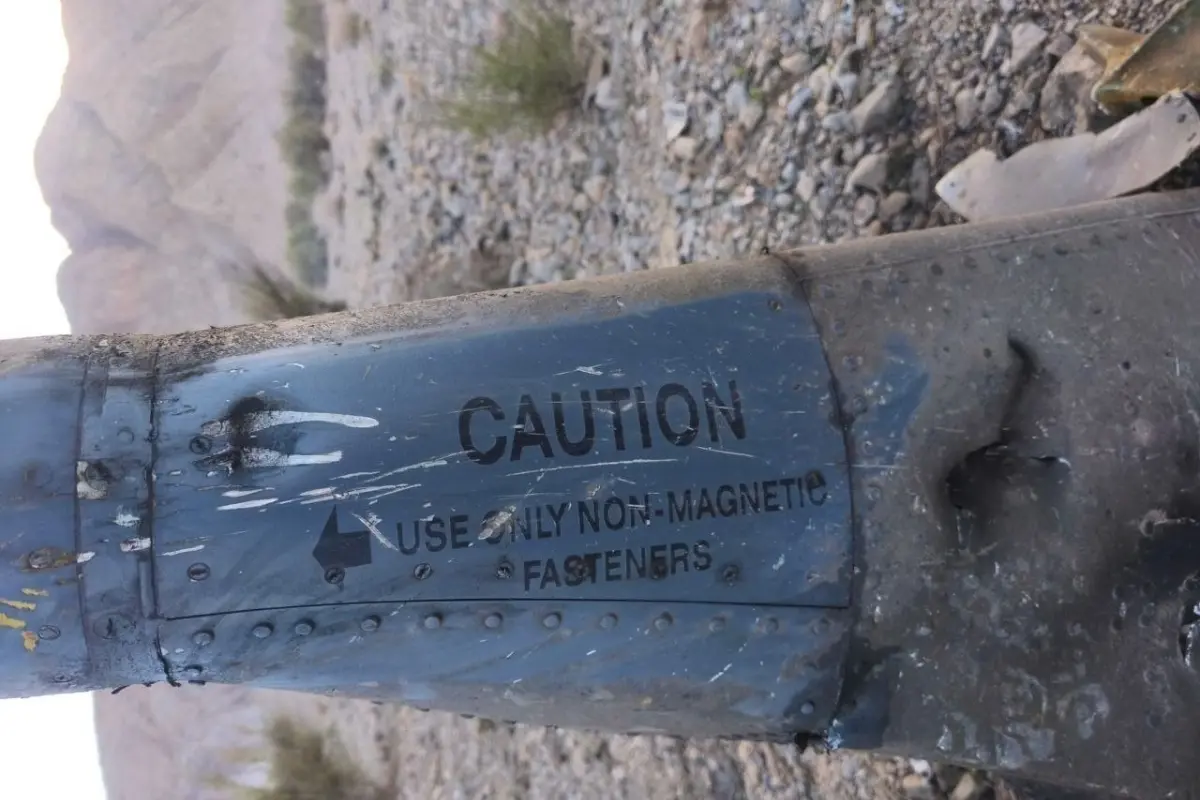
Iranian and American forces were engaged in a race early on Saturday to locate a crew member from the first US fighter jet to be downed inside Iran since the start of the conflict.
Tehran claimed it had shot down the F-15 warplane, while US media reported that American special forces had rescued one of the two crew members, with the second still unaccounted for. Iranian officials also said a US A-10 ground-attack aircraft had been downed over the Gulf, though reports indicated the pilot had been recovered.
The war, now more than a month old, was triggered by joint US-Israeli strikes that killed Iran’s supreme leader Ali Khamenei, prompting retaliatory attacks that have since spread across the Middle East, disrupting global markets and affecting millions.
The US Central Command did not immediately comment on the reported loss of the F-15. However, White House Press Secretary Karoline Leavitt confirmed that President Donald Trump had been briefed.
Speaking to NBC News, Mr Trump said the loss of the aircraft would not affect diplomatic efforts with Iran, stating: “No, not at all. No, it’s war.”
An Iranian military spokesperson said the aircraft had been destroyed by the aerospace division of the Islamic Revolutionary Guard Corps, adding that search operations were ongoing. Iranian state television also suggested that anyone capturing a crew member alive could receive a “valuable reward”.
The US has acknowledged the loss of several aircraft during operations linked to Iran, including a tanker crash in Iraq and multiple F-15s reportedly downed by friendly fire.
ALSO READ | Search and rescue for pilots launched after US fighter jet goes down inside Iran: Reports
Retired US brigadier general Houston Cantwell said that for downed pilots, immediate priorities include concealment and establishing communication. “My priority would be, first of all, concealment, because I don’t want to be captured,” he told AFP.
Meanwhile, fresh strikes were reported across the region, including in Israel, Iran, Lebanon and Gulf states. Explosions were heard in northern Tehran, while Israel said it had launched a new wave of strikes on the Iranian capital, alongside attacks in Beirut.
In areas west of Tehran targeted by US strikes, an AFP journalist reported significant damage to residential buildings, including shattered windows, though no military installations were visible. According to Iran’s official Islamic Republic News Agency, at least 13 civilians were killed and dozens wounded in one such strike.
Amid growing concern over global energy supplies, attacks have increasingly focused on economic and industrial infrastructure. Writing in the journal Foreign Affairs, former Iranian foreign minister Mohammad Javad Zarif urged Tehran to pursue a deal with Washington, proposing limits on Iran’s nuclear programme and the reopening of the Strait of Hormuz in exchange for sanctions relief.
Iran has effectively restricted access to the vital shipping route since the conflict began, disrupting a corridor through which roughly a fifth of the world’s oil and gas supplies typically pass.
Iranian military spokesperson Ebrahim Zolfaghari warned that Tehran would intensify attacks on regional energy infrastructure in response to threats from Mr Trump.
Recent incidents include a drone strike on a refinery owned by Kuwait’s national oil company, as well as damage to a power and desalination facility. Bahrain reported four people injured by debris from an intercepted drone, while in the United Arab Emirates one person was killed and four others injured in a fire at a gas complex caused by falling debris.
In Lebanon, the Israeli military said it had struck more than 3,500 targets over the past month in operations against Iran-backed Hezbollah. It also confirmed strikes on infrastructure in the eastern Bekaa region aimed at disrupting supply routes, with Lebanese state media reporting that at least one bridge had been destroyed.
According to Lebanon’s health ministry, more than 1,300 people have been killed and over 4,000 wounded since the conflict began. Hezbollah has not disclosed its own casualty figures.