US-Iran peace deal was just hours away: Oman FM's sensational claim | WATCH
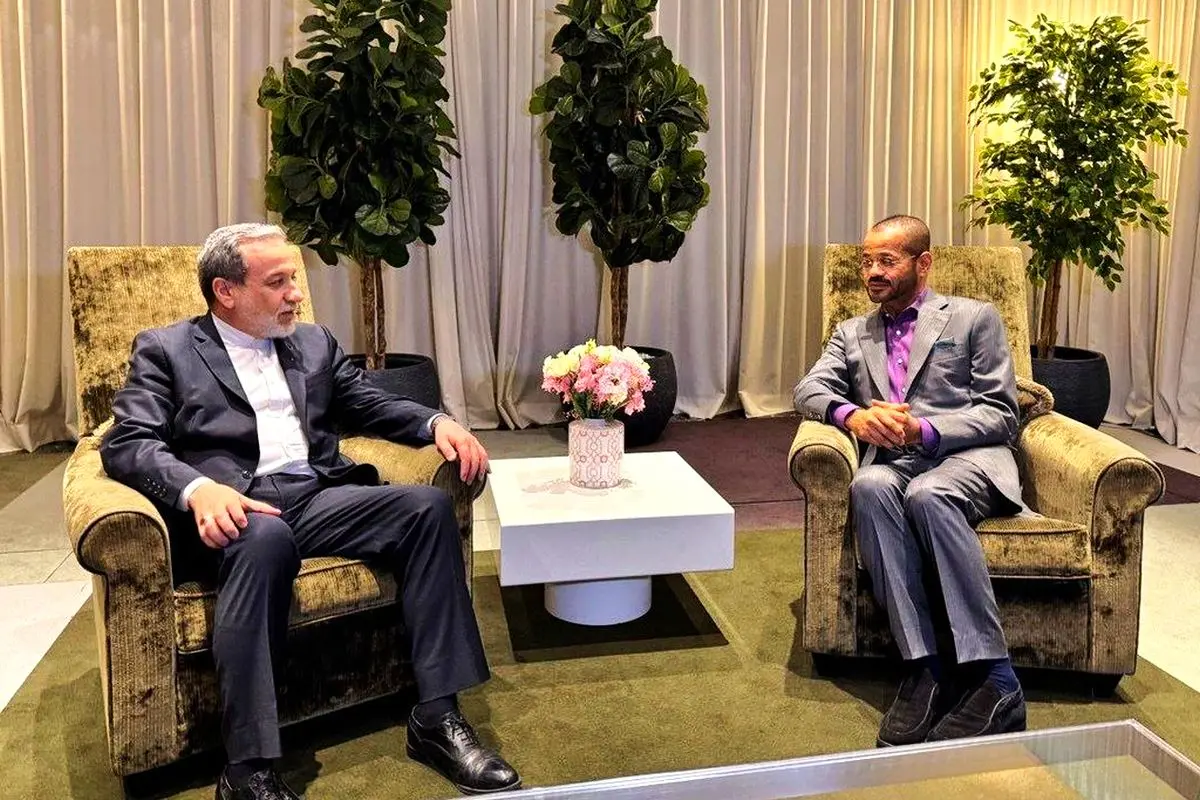
In a stunning development, Omani Foreign Minister Badr Albusaidi had revealed to an American news channel that a US-Iran peace accord "within our reach" just hours before American and Israeli forces hammered Tehran with airstrikes Saturday, shattering what he described as a historic breakthrough on the nuclear front.
Speaking to CBS's 'Face the Nation' on Friday in a rare on-camera interview, Albusaidi urged restraint to let diplomacy flourish. "A peace deal is within our reach if we just allow diplomacy the space it needs," he said, insisting major hurdles had been cleared.
Oman, a neutral Gulf mediator, had hosted three rounds of indirect talks, emerging optimistic from Thursday's session.
'Game-Changing' nuclear concession
Albusaidi spotlighted what he called an unprecedented pact: Iran agreeing "never ever" to amass bomb-usable nuclear material. "If the ultimate objective is to ensure forever that Iran cannot have a nuclear bomb, I think we have cracked that problem," he asserted. The deal promised "zero accumulation, zero stockpiling, and full verification" by the UN's International Atomic Energy Agency (IAEA) -- stricter than the 2015 Joint Comprehensive Plan of Action (JCPOA) limits under President Obama.
"This is something really missed by the media, and I want to clarify it as a mediator," Albusaidi emphasized. Iran would forgo excess stockpiles of highly enriched uranium, addressing US fears of a rapid "breakout" to weapons-grade material.
The minister framed it as a concession eclipsing past accords, potentially averting escalation while preserving Tehran's "peaceful" nuclear rights.
Trump's Frustration
The optimism clashed sharply with President Donald Trump's Friday remarks to reporters: He voiced frustration, saying he was "not happy" and Iran refused "what we have to have."
Trump's words foreshadowed the strikes he announced pre-dawn Saturday, targeting nuclear sites, military bases, and regime symbols amid vows to topple the clerics.
Oman's pivotal role underscores its decades-long neutrality. Since brokering secret US-Iran contacts pre-2015 JCPOA, Muscat has facilitated backchannels, including the 2013 breakthrough leading to Obama's deal—which Trump scrapped in 2018 via "maximum pressure" sanctions. Recent talks, revived post-Trump's inauguration, aimed to cap enrichment, curb missiles, and dismantle proxies like Hezbollah.
Fallout: From diplomacy to devastation
Albusaidi's interview aired as US warships massed in the Gulf and Israeli jets readied. By Saturday evening IST, Iran retaliated with missile barrages on Israel and US bases in Bahrain, Kuwait, and Qatar, killing at least one in the UAE. Casualties mounted, including over 50 students in a southern Iranian school strike.
Analysts decry the timing: Did Trump's impatience torpedo a viable deal? "Oman handed Washington a win on a platter," said Gulf expert Fatima Al-Sayed. "Strikes now risk radicalizing Iran further."
As markets reel -- Brent crude surged 12% -- the world wonders if diplomacy's narrow window was slammed shut for the worse.