US-Iran deal is just the beginning? Officials say real commitments were made in secret
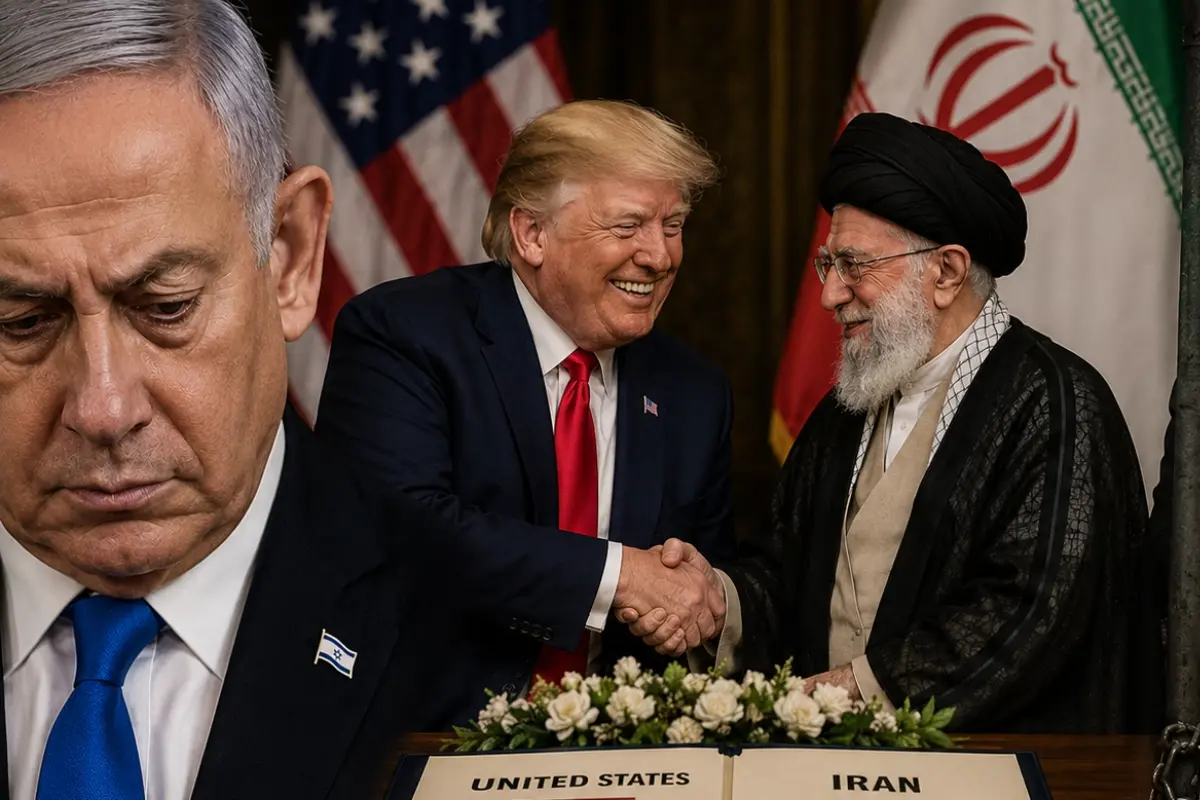
Washington DC: As the United States and Iran move closer to formally signing a peace agreement in Switzerland, American officials have revealed that the memorandum of understanding (MOU) was deliberately drafted as a broad political framework rather than a detailed operational agreement.
According to US officials cited by CNN, the document is designed primarily to create a diplomatic foundation for future negotiations rather than settle every technical issue immediately.
One official described the agreement as a "political document" and urged observers not to place too much emphasis on its exact wording.
"People shouldn't read too much into the language of the MOU," the official said.
Officials explained that the text was written in a way that allows both governments, particularly Iran, to present the agreement favourably to domestic audiences while leaving room for future technical negotiations.
Secret understandings reportedly more important than public text
According to US officials, several of the most important commitments between Washington and Tehran were made through private backchannel communications and do not appear in the publicly discussed framework.
"What's more important than the actual document is the understandings we have with each other," one official said.
The official added that the framework effectively establishes the political environment needed for future talks on sanctions, nuclear issues and financial arrangements.
Officials claimed that Iran privately signalled willingness to make concessions sought by Washington, including cooperation in dealing with stockpiles of highly enriched uranium.
According to CNN's report, Iran has reportedly indicated that it would permit US participation in the destruction or neutralisation of enriched nuclear material under international supervision. However, this commitment does not appear explicitly in the agreement's text.
Nuclear commitments remain broadly defined
People familiar with the agreement told CNN that the document contains few specific details regarding Iran's existing stockpile of highly enriched uranium.
Instead, the framework reportedly reiterates a broader commitment that Iran "will never produce nuclear weapons."
That language resembles commitments made under the 2015 nuclear agreement negotiated during the Obama administration.
The absence of detailed technical provisions has raised questions among analysts about how compliance would be measured and enforced in future negotiations.
Sanctions relief tied to future progress
While the nuclear provisions reportedly remain broad, the agreement appears more specific regarding potential economic benefits for Iran.
US officials said Tehran could eventually gain access to a development fund reportedly valued at up to $300 billion if it fulfils its commitments.
The framework also states that Iran would be permitted to resume oil and petrochemical exports after the agreement is signed, with Washington issuing sanctions waivers to facilitate international transactions.
However, officials stressed that all benefits would be conditional.
A US official described the arrangement as "performance-based" and said Iran would receive benefits only if it complied with all obligations.
According to the official, those obligations include:
- Not pursuing nuclear weapons.
- Neutralising enriched uranium stockpiles.
- Refraining from actions that interfere with navigation through the Strait of Hormuz.
The agreement reportedly leaves the timing of sanctions relief and asset releases open-ended, linking future benefits to progress achieved during subsequent negotiations.
Intelligence assessment raises concerns over Strait of Hormuz
The agreement comes amid new intelligence assessments suggesting that Iran's strategic influence in the Strait of Hormuz has increased significantly following recent regional conflicts.
According to sources, US intelligence agencies believe Iran now possesses the ability to disrupt or shut down traffic through the vital shipping route if it chooses.
The Strait of Hormuz remains one of the world's most important energy corridors, carrying a substantial portion of global oil exports.
One source familiar with the assessment reportedly stated:
"We have now handed Iran de facto control over the strait — a weapon more powerful than any nuke."
The assessment suggested that even if the agreement succeeds in reopening the waterway, Iran's ability to threaten global energy flows could remain a major source of leverage in future negotiations.
Shipping industry remains cautious
Despite the expected agreement, uncertainty continues among shipping companies and energy markets.
Industry officials said that maritime traffic through the Strait of Hormuz could remain below normal levels for weeks or months because of continuing security concerns and uncertainty surrounding implementation of the agreement.
Analysts believe many commercial operators may wait for greater clarity before fully resuming regular shipping operations through the region.
Trump promises to release full agreement
US President Donald Trump has pledged to make the full text of the agreement public in the coming days.
Speaking during the G7 summit in France alongside UAE President Mohamed bin Zayed Al Nahyan, Trump said he was waiting for a formal setting before releasing the document.
"I'd like to get a formal setting first before we do that, but I have no problem with that. It's a great document," Trump said.
The president also summarised what he described as the agreement's central objective.
"Here's what it says: Iran will never have a nuclear weapon," he said.
Although Trump electronically signed the agreement on Sunday, the full document has not yet been publicly released. Reports indicate that even many lawmakers and foreign leaders have not seen the complete text.
Questions remain ahead of formal signing
With the formal signing ceremony expected later this week, many questions remain unanswered regarding enforcement mechanisms, sanctions timelines and the exact scope of Iran's commitments.
Officials insist that the framework is only the beginning of a broader diplomatic process, with future negotiations expected to determine how the agreement is implemented in practice.
For now, the focus remains on whether the political understandings reached behind closed doors can be transformed into concrete actions capable of reducing tensions across the Middle East.
(With ANI inputs)