No deal yet: US makes ‘final offer’ as Iran talks end without agreement
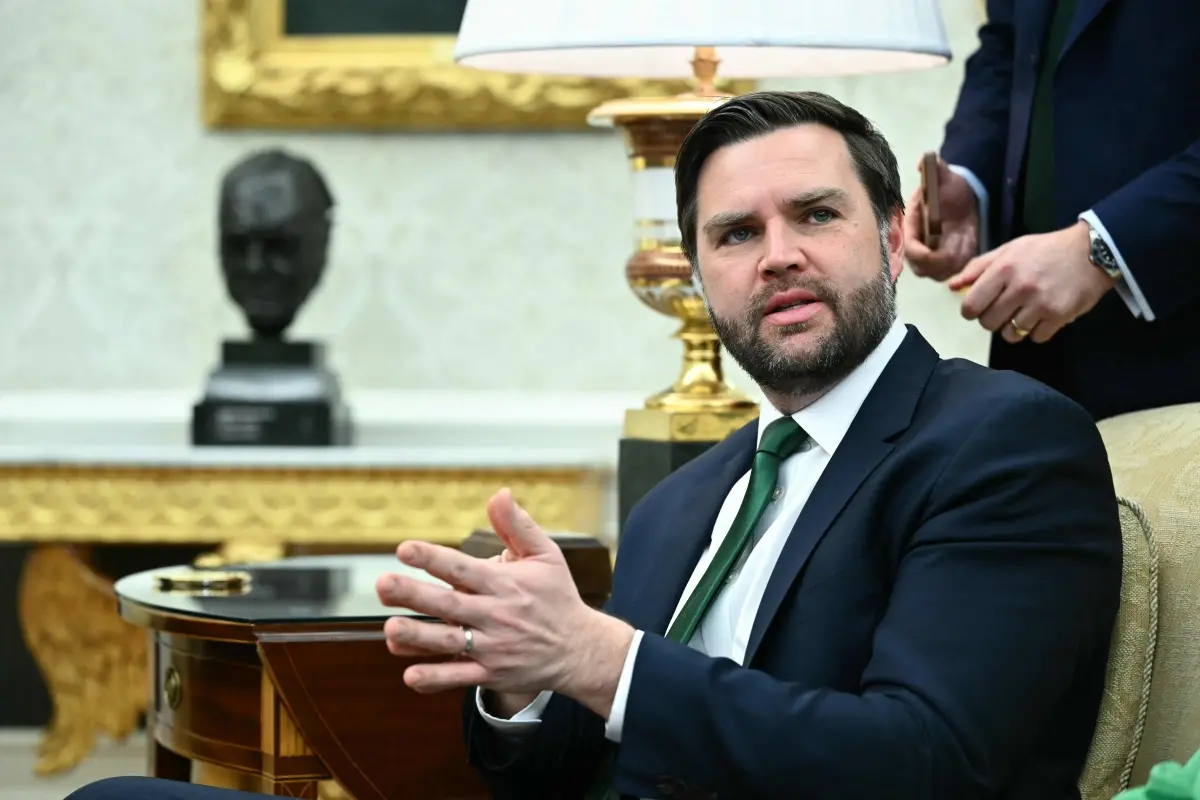
Islamabad: After nearly a full day of intense negotiations, high-stakes talks between the United States and Iran ended without a breakthrough.
US Vice President JD Vance confirmed that despite more than 21 hours of “substantive discussions”, both sides failed to reach an agreement during the Islamabad talks, marking a setback in efforts to ease tensions.
“After 21 hours… we had a number of substantive discussions. The bad news is that we have not reached an agreement,” Vance said, adding, “And I think that's bad news for Iran much more than it's bad news for the US.”
At the heart of the deadlock is one key issue: Iran’s nuclear programme.
Vance made it clear that Washington’s position remains unchanged.
“We have made very clear what our red lines are, what things we are willing to accommodate them on and what things we are not.”
While he avoided sharing detailed sticking points, he stressed that the US is seeking firm guarantees.
“But the simple fact is that we need to see an affirmative commitment that they will not seek a nuclear weapon and that they will not seek the tools that would enable them to quickly achieve a nuclear weapon.”
For the US, preventing Iran from developing nuclear weapons remains the top priority.
“Stopping Iran from getting a ‘nuke’ was the core goal of the US president,” Vance added.
Iran’s response: ‘Unlawful demands’
Iran, however, signalled that the gap remains wide.
Foreign Ministry spokesperson Esmaeil Baqaei said discussions covered multiple sensitive issues—including the Strait of Hormuz, sanctions, war reparations, and regional conflict—but no final agreement was reached.
He suggested that progress depends on the US changing its approach.
“The success of this diplomatic process depends on the seriousness and good faith of the opposing side, refraining from excessive demands and unlawful requests, and the acceptance of Iran's legitimate rights and interests.”
Pakistan’s role praised
Despite the breakdown, both sides acknowledged Pakistan’s efforts in hosting and mediating the talks.
Vance praised Shehbaz Sharif and Army Chief Asim Munir, calling them “incredible hosts.”
“Whatever shortcomings were in the negotiations were not because of Pakistanis, who did an amazing job and really tried to help us and the Iranians bridge the gap and get to a deal,” he said.
Iran also echoed similar appreciation for Pakistan’s role in facilitating dialogue.
With agency inputs