Diplomacy in limbo: US-Iran remain far apart despite new two-stage proposal
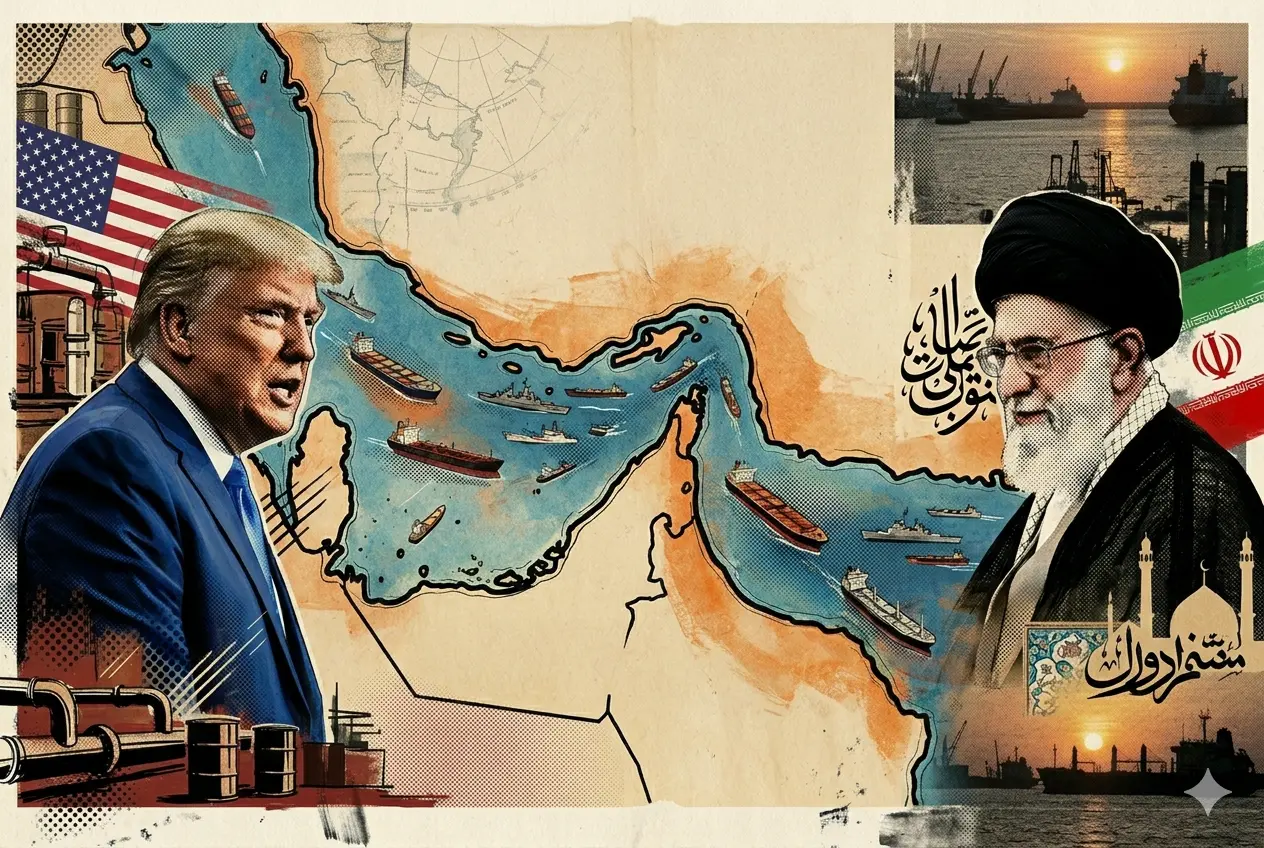
Dubai: Diplomatic initiatives aimed at resolving the conflict between the United States and Iran reached a stalemate over the weekend as both nations maintained rigid negotiating positions despite intensifying global demands for a compromise.
Tehran has refused to reopen the Strait of Hormuz until Washington terminates its naval blockade and ends hostilities. Conversely, U.S. President Donald Trump has demanded a more encompassing treaty that would dismantle Iran’s nuclear program and curb its ballistic missile development and regional proxy activities.
The impasse carries high stakes for both protagonists. The continued closure of the strait, a conduit for roughly 20 per cent of the world’s traded oil and gas, has catalysed a surge in global energy prices that threatens the international economy ahead of the U.S. midterm elections. Simultaneously, the American blockade is effectively paralysing the Iranian economy.
Proposals and Rejections
Iran’s most recent overture suggests deferring nuclear negotiations to an unspecified future date. According to regional officials familiar with the private discussions, the proposal offers to end the disruption of the Strait of Hormuz only if the U.S. lifts its blockade on Iranian ports and agrees to a permanent or long-term cessation of hostilities.
The Trump administration is expected to dismiss the offer, as it fails to address the primary objective cited when U.S. bombing commenced on Feb. 28: a definitive guarantee that Iran cannot develop an atomic weapon.
U.S. Secretary of State Marco Rubio appeared to confirm this stance during a Monday interview with Fox News. “We can’t let them get away with it,” Rubio said. “We have to ensure that any deal that is made, any agreement that is made, is one that definitively prevents them from sprinting towards a nuclear weapon at any point.”
The Pressure of the Blockade
President Trump signalled his willingness to continue the economic squeeze this weekend by withholding envoys from Pakistan, which has served as a primary mediator. By indicating that Tehran is welcome to contact Washington directly with new terms, Trump signalled a preference for the blockade’s continued leverage.
The maritime restriction not only severely limits Iranian oil exports—the primary source of hard currency for the theocratic government—but also threatens to force a complete halt in domestic production. While Iran has already faced internal unrest due to economic instability, the situation is projected to worsen.
The crisis has also left the global market reeling. With few vessels navigating the strait, prices for gasoline and oil are reaching historic highs, while shortages of jet fuel and cooking gas are beginning to emerge in several regions.
Stalled Mediation and Military Posture
A truce that began on April 8 remains in effect, having been extended indefinitely by Trump following a period of volatile rhetoric that at one point threatened the "civilisation" of Iran. A parallel ceasefire between Israel and the Iran-backed Hezbollah in Lebanon is also being observed.
However, formal peace talks have failed to progress. High-level discussions involving U.S. Vice President JD Vance shortly after the truce began—marking the most significant engagement between the two nations since the 1979 Revolution—concluded without a resolution.
In a sign that a diplomatic breakthrough is not imminent, Pakistani authorities in Islamabad dismantled the security infrastructure and checkpoints previously staged for anticipated negotiations.
Meanwhile, the U.S. military footprint in the Middle East has expanded significantly. As of Monday, the U.S. Navy maintains three aircraft carrier strike groups in the region: the USS Abraham Lincoln, the USS Gerald R. Ford, and the USS George H.W. Bush. This force includes approximately 15,000 personnel and over 200 aircraft, supplemented by an amphibious assault group led by the USS Tripoli.
International Diplomacy
Iranian Foreign Minister Abbas Araghchi met with Russian President Vladimir Putin on Monday, according to the Russian news agency Tass. The meeting follows Araghchi’s diplomatic tour through Pakistan and Oman, the latter of which has historically acted as a bridge between Washington and Tehran.
Russia has largely remained on the periphery of the current conflict, but has been proposed as a destination for Iran’s highly enriched uranium. While Trump has insisted on the removal of the stockpile to prevent the construction of a nuclear device, Tehran maintains its program is for civilian use and has refused to relinquish the material.
The entirety of Iran’s highly enriched uranium remains within its borders, reportedly secured within enrichment facilities that were targeted by U.S. airstrikes during a 12-day conflict last June.
With inputs from AP