US-Iran ceasefire: Expert raises questions over Pakistan’s ‘unusual’ mediation role | WATCH
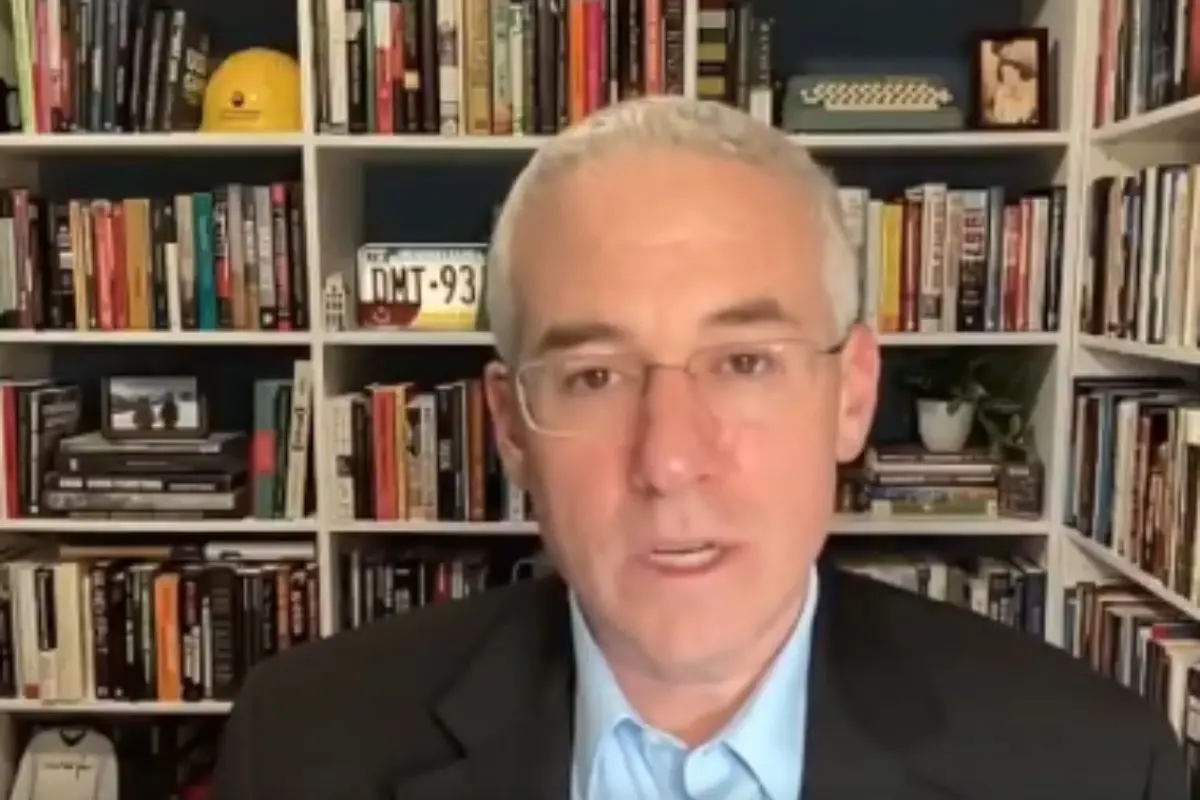
Following President Trump’s announcement of a temporary ceasefire between the United States and Iran, Executive Director at the Foundation for Defence of Democracies (FDD) and former US Treasury counterterrorism analyst Jonathan Schanzer has raised serious questions regarding the nature of the deal and its unlikely mediator. The two-week pause in hostilities, intended to provide a window for a permanent solution, comes amid conflicting narratives from Washington and Tehran.
Pakistan’s role as an unlikely mediator
Schanzer highlighted the "very unusual" diplomacy involved in the agreement. He noted that Pakistan, a country traditionally identified as a state sponsor of terrorism and a rogue proliferator, has stepped in to broker a truce between the United States and another state sponsor—Iran. Schanzer stated that the motivations behind Pakistan’s intervention remain "entirely unclear" and represent a major departure from traditional regional dynamics.
Conflicting claims and realistic terms
The reliability of the ceasefire is further complicated by the starkly different accounts of the agreement being shared by the two sides. While the US frames the deal as a temporary halt in military action contingent on the free flow of traffic in the Strait of Hormuz, Tehran is characterising it as a "full capitulation" by the Americans. Iranian officials claim the US has agreed to end sanctions, withdraw from the region, and pay reparations—demands Schanzer described as "unrealistic" from the US perspective.
A critical two-week window
As the initial day of the ceasefire unfold, the success of the arrangement hinges on the Islamic Republic allowing unimpeded maritime traffic in the Strait of Hormuz. Schanzer warned that despite the potential for a more permanent solution to be derived during this period, the situation remains extremely fragile. Given the discrepancies in the terms and the unusual nature of the mediation, he noted that "there is still a lot that can go wrong" in the coming days.
ANI