Why only less than half of Americans can afford basic medical expenses
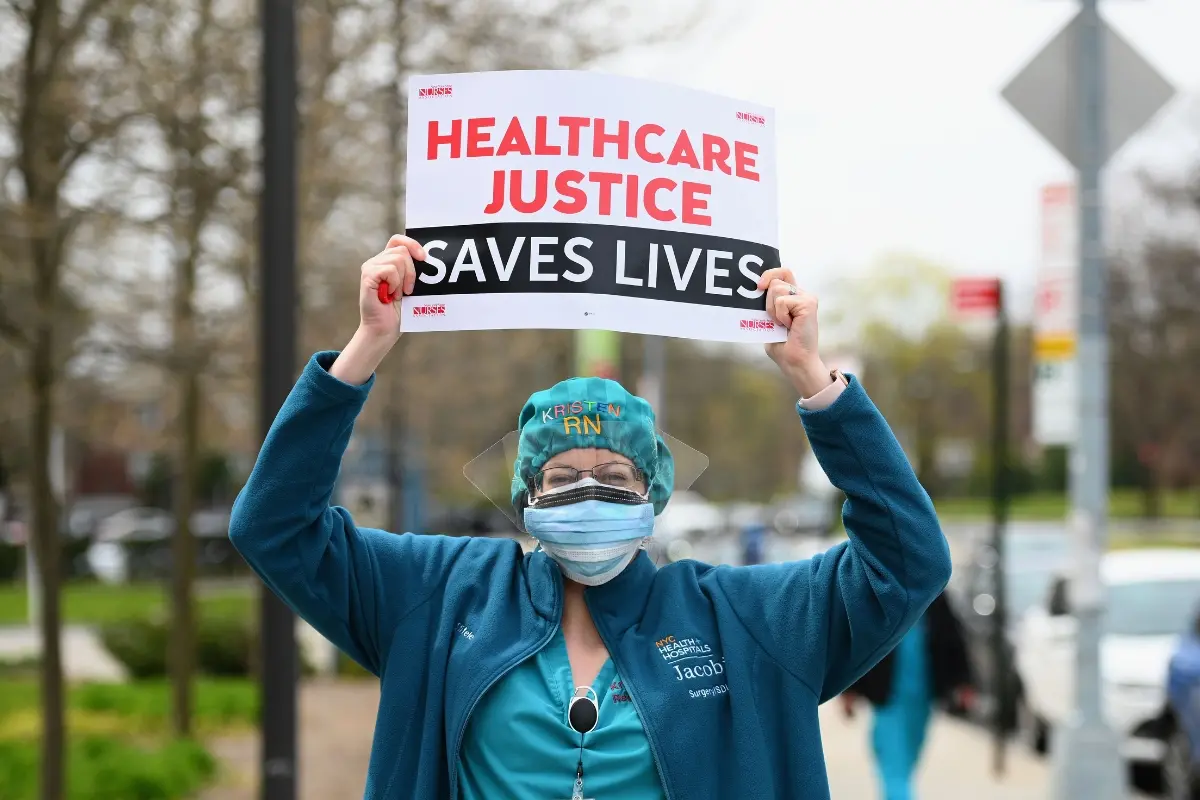
A recent survey has shed spotlight on the affordability of healthcare, which has, today, emerged as a global challenge. The recent Gallup findings indicate that less than half of Americans could afford medical expenses and access to quality care last year, causing huge financial strain even among wealthy and high-income households.
The expiration of Affordable Care Act (ACA) tax subsidies in early 2026 resulted in a spike in medical insurance and healthcare expenses, forcing many Americans to abandon the idea of relying on insurance.
Gallup Poll Findings
The poll found that the US is experiencing a drastic decline in the number of people who can afford quality healthcare, including doctors' visits and prescription medications. The share of Americans able to afford these healthcare services fell to 49% last year.
The statistic marks a sharp decline from a peak of 61% in 2022 and represents the lowest level since Gallup began tracking the metric in 2021.
While 42% of the American population is concerned about affording prescription drugs, 51% of those surveyed are anxious about paying for medical services in the coming year.
According to Gallup's data, every age group showed a decline in its ability to afford reasonable, high-quality healthcare between 2023 and 2025, except for those aged 50 to 65.
Adults belonging to the 18 to 29 age group are the most affected, with only about one-third considered cost-secure.
Despite the results shown by Gallup, the data may provide only part of the picture regarding healthcare affordability, as the study was conducted before the expiration of the Affordable Care Act (ACA) subsidies.
Americans' ability to afford healthcare has shrunk in recent years, according to the West Health-Gallup Affordability Index, a joint initiative between Gallup and West Health.
A survey examining 20,000 US adults revealed shocking findings last summer, with one-third reporting that they had eliminated an everyday living expense in order to afford healthcare.
ALSO READ | Trump unveils Qatar-gifted Air Force One; says 'plane transformed into a flying White House'
Government efforts and growing concerns
Healthcare was the top concern for Americans from 2015 to 2020, until concerns about the economy and inflation under the Biden administration took priority.
In 2025, healthcare once again emerged as one of America's top concerns and moved ahead by ten full points this year.
In politics, healthcare has become a central issue, with Senate efforts to enhance subsidies for the Affordable Care Act leading to the longest government shutdown in history.
The ACA tax credits, which helped protect people from double-digit premium increases, expired on December 31, causing significant concerns regarding healthcare affordability in America.
Republicans have blocked efforts to extend the current Affordable Care Act subsidies. "Americans have been struggling to keep up with rising health costs generally and healthcare specifically," says Larry Levitt, Executive Vice President for Health Policy at KFF, a nonpartisan research group. He was not involved in conducting the survey.
Besides, the survey did not account for the expiring subsidies or Medicaid work requirements that will go into effect in 2027. TrumpRx, a site where Americans can get drugs at discounted prices, was launched by the United States government. However, the lack of immediate steps and measures has further increased concerns among people in the United States.
Steps the US government can take
Expanding insurance coverage, reducing prescription drug prices, and lowering out-of-pocket medical expenses can contribute to helping people access quality healthcare facilities on a broader scale.
Healthcare policy researchers have pointed out concerns regarding rising insurance premiums and medical costs, which are placing a huge financial burden on American households.
According to experts, transparency in medical billing and reforms that make healthcare services more accessible and affordable can help people maintain access to proper healthcare facilities.
ALSO READ | US envoy lands, Iran's Araghchi on the way: Key outcomes to watch from Switzerland talks
Health Poll concerning India
For many years, India has been making efforts by building new hospitals, introducing health schemes, and launching digital initiatives.
Despite the improvements seen in the Indian healthcare system, the recently released Lancet Commission report states that access alone has not solved the country's healthcare challenges.
The report points out that quality healthcare remains out of reach for many Indians, with gaps in diagnosis, treatment, and follow-up care continuing to affect patient outcomes across the country.
The report warns that simply bringing more people into the healthcare system does not guarantee better health outcomes. Overcrowded government hospitals, shortages of resources, uneven healthcare facilities across states, and limited oversight of medical practice continue to pose challenges.
As India moves towards its Viksit Bharat 2047 vision, experts argue that the focus must now shift from merely expanding access to ensuring that every patient receives safe, effective, and quality healthcare regardless of where they live.
-Compiled by Gowri Nanda