Why US deploys third aircraft carrier to Middle East amid Iran conflict escalation
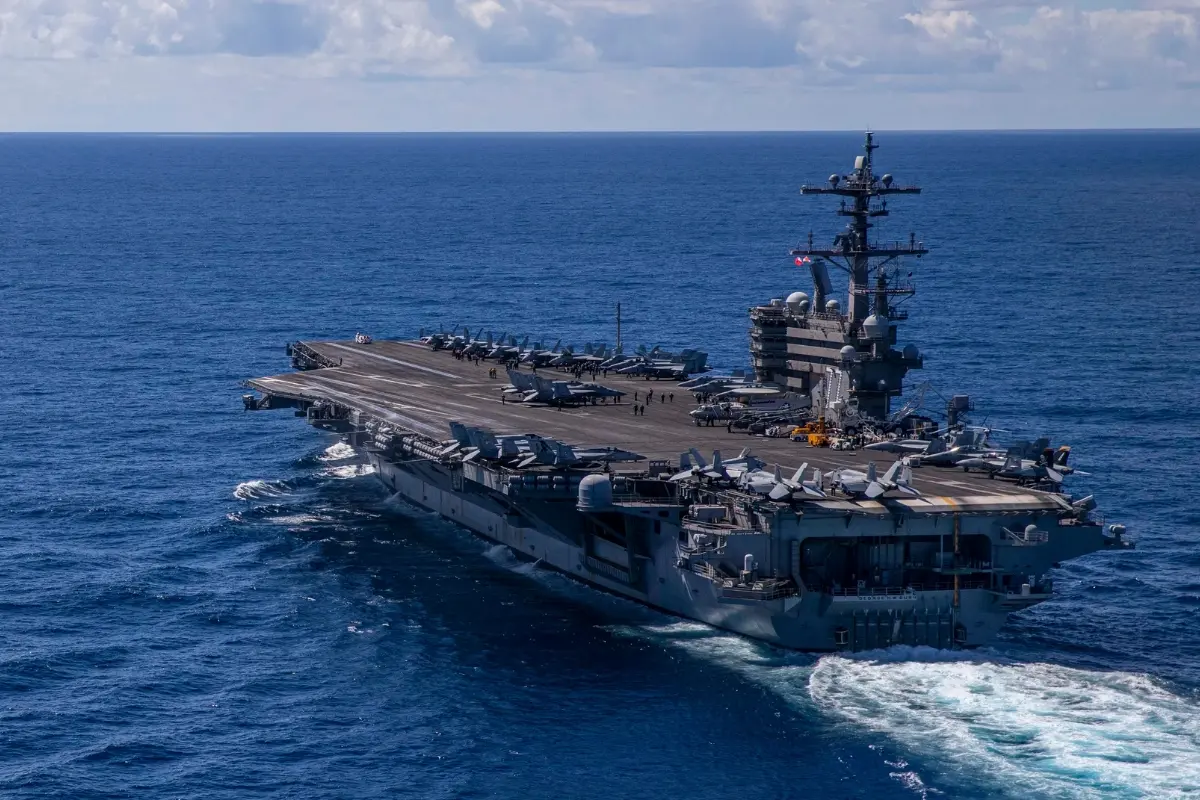
Washington DC: The United States has reportedly increased its military presence in the Middle East by deploying the USS George H.W. Bush carrier strike group from Norfolk, Virginia.
According to reports cited by ABC News, the move could lead to three US aircraft carriers operating in the region simultaneously amid the ongoing conflict involving Iran. The deployment reflects a broader effort to strengthen operational readiness and deterrence in West Asia as tensions continue to rise.
Existing carrier groups remain in region
Two other carrier strike groups, led by the USS Gerald R. Ford and USS Abraham Lincoln, are already associated with operations in the region. The USS Gerald R. Ford has reportedly undergone repairs in Crete following a fire incident, while continuing to be linked to regional deployment activities. These forces collectively represent a significant naval presence supporting ongoing US operations.
All deployments are being coordinated under US Central Command, which is responsible for overseeing American military operations across West Asia. Alongside carrier strike groups, additional naval assets, including guided missile destroyers, have also been mobilised from US bases to support operational requirements in the region.
Ongoing conflict drives escalation
The increased deployment comes as hostilities involving Iran, the US, and Israel continue into their fourth week. Reports indicate continued exchanges of strikes across parts of the Gulf region, contributing to rising instability and global concern. The situation remains fluid, with military activity ongoing on multiple fronts.
The Strait of Hormuz remains a key flashpoint
The Strait of Hormuz, a vital maritime route for global oil transport, remains a focal point amid the conflict. Any disruption in this corridor has implications for international energy supplies and shipping routes. Fluctuations in oil prices have been linked to concerns over access and security in the region.
Reports also suggest that diplomatic proposals have been discussed, including frameworks related to Iran’s nuclear programme. However, no agreement has been reached, with Iranian authorities maintaining their stance and outlining their own conditions for any potential negotiations. The lack of consensus continues to contribute to tensions between the parties involved.