WATCH | Pentagon controlled Pakistan's nuclear arsenal under Musharraf, alleges ex-CIA official
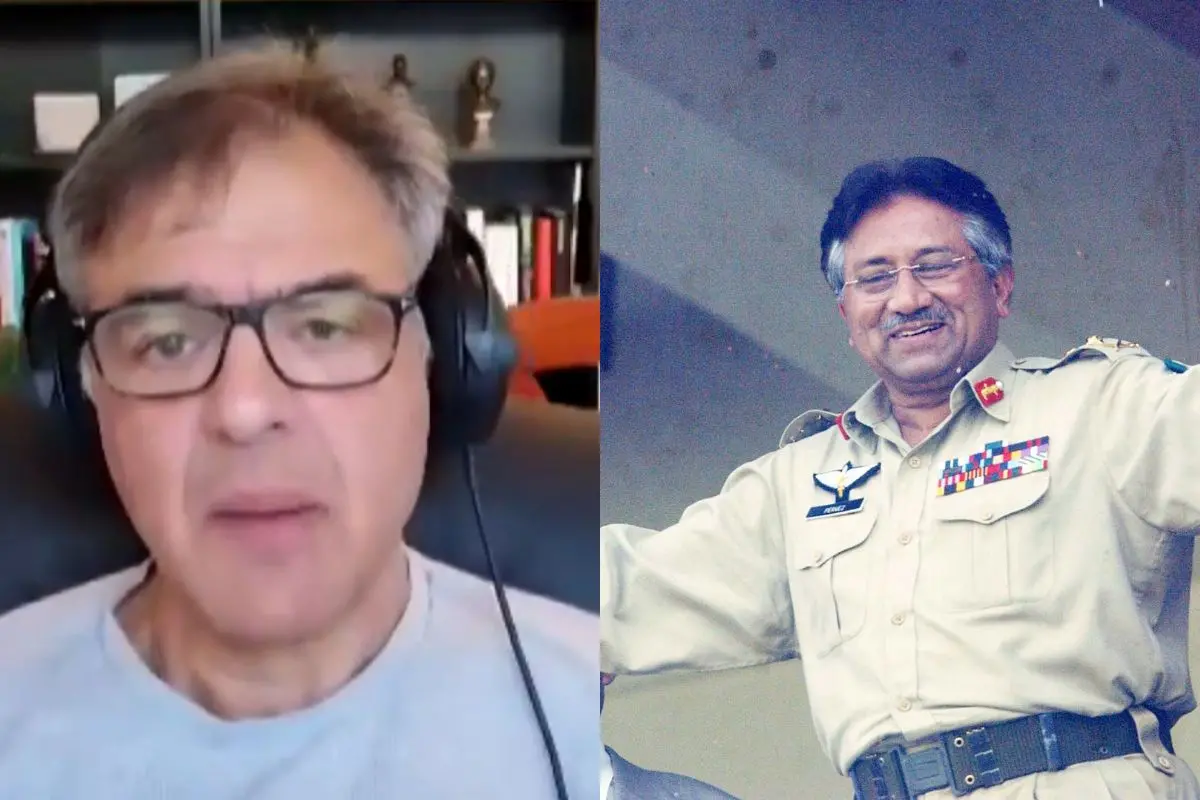
New Delhi: Former CIA officer John Kiriakou has claimed that the United States effectively “purchased” former Pakistani President Pervez Musharraf, funnelling millions of dollars in aid during his rule to secure Washington’s interests.
In an interview with ANI, Kiriakou, who spent 15 years in the CIA, both as an analyst and counterterrorism operative, said the U.S. preferred dealing with autocrats like Musharraf because “you don’t have to worry about public opinion or the media.” He described relations between the two governments as “very, very good” during Musharraf’s tenure, adding that the U.S. provided Pakistan with vast sums in military and economic assistance.
“We gave millions and millions in aid … and Musharraf would let us do whatever we wanted,” Kiriakou said, claiming that the former army general maintained good ties with Washington while pandering to Pakistan’s military establishment. He accused Musharraf of “keeping the military happy” by turning a blind eye toward extremist groups targeting India, despite publicly cooperating with the U.S. on counterterrorism.
On the question of fear of nuclear weapons falling into terrorists' hands in Pakistan, ex-CIA Officer, John Kiriakou says, "When I was stationed in Pakistan in 2002, I was told unofficially that the Pentagon controlled the Pakistani nuclear arsenal, and that Parvez Musharraf had turned control over to the United States because he was afraid of these nuclear arsenal falling into the wrong hands."
Kiriakou recalled tensions from the early 2000s, saying that India and Pakistan were “on the brink of war” after the December 2001 attack on India’s Parliament. He said Musharraf “pretended” to work with the U.S. against Al-Qaeda while allowing anti-India militancy to continue.
Expressing concern about Pakistan’s ongoing political instability, Kiriakou warned that internal divisions could again spill onto the streets. “The country is not known for leaders who make transformative, positive decisions,” he said.
He also recounted an encounter with Benazir Bhutto, the late Pakistani Prime Minister, during her exile in Dubai, calling her lifestyle a symbol of Pakistan’s deep-rooted corruption. Kiriakou described visiting Bhutto’s $5 million Gulf palace and overhearing her complaint about her husband, Asif Ali Zardari, then buying “another Bentley.” “She made $60,000 a year,” Kiriakou said, questioning how such opulence could coexist with mass poverty.
“People in Pakistan don’t have shoes or food to eat, while their leaders live like royalty. Aren’t they ashamed?” he asked, lamenting that ordinary citizens must endure such governance.
Referring to Musharraf’s memoir, 'In the Line of Fire,' Kiriakou said the former president himself admitted he reversed Pakistan’s support for the Taliban only after realising his country could not withstand a U.S. confrontation. Musharraf wrote that going to war with America would have destroyed Pakistan’s military, crippled its economy, and fractured national unity.
Kiriakou’s remarks add to the continuing debate over U.S.–Pakistan relations in the post-9/11 era — a relationship he described as transactional and built more on dollars and dictatorship than mutual trust.
With inputs from ANI