New US vaccine guidelines for children: Controversial changes spark debate
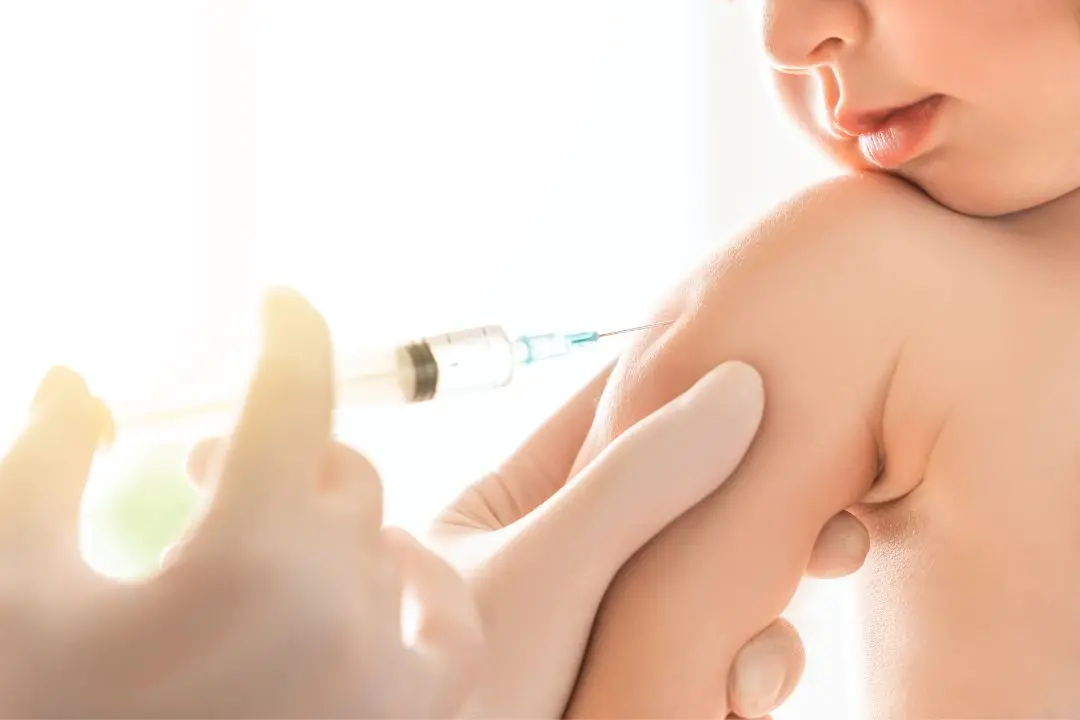
Washington: The United States has taken the unprecedented step of reducing the number of vaccines recommended for every child, a move that leading medical organisations warn could weaken protection against several preventable diseases.
Effective immediately, the U.S. Centres for Disease Control and Prevention (CDC) will recommend vaccination against 11 diseases for all children. Vaccines against influenza, rotavirus, hepatitis A and B, certain forms of meningitis, and respiratory syncytial virus (RSV) will now be recommended only for high-risk groups or through “shared decision-making” between parents and healthcare providers.
Health Secretary Robert F Kennedy Jr. and Trump administration officials said the change will not restrict families from accessing vaccines and that insurance coverage will continue. However, public health experts have raised concerns that the new guidance may create confusion for parents and increase the risk of preventable illnesses.
While states retain authority to mandate vaccinations for school enrolment, CDC guidance often influences these rules. Some states have begun forming independent alliances to counter the federal changes.
The announcement comes amid declining U.S. vaccination rates and a record high number of exemptions. Cases of vaccine-preventable diseases such as measles and whooping cough are rising nationwide.
The Department of Health and Human Services (HHS) stated the overhaul follows a directive from President Donald Trump in December to review how peer nations manage childhood vaccination schedules. HHS said the U.S. was found to be an “outlier” compared with 20 peer countries in both the number of vaccines recommended and the total doses administered. Officials framed the change as a measure to increase public trust by focusing on the most essential immunisations.
“This decision protects children, respects families, and rebuilds trust in public health,” Kennedy said in a statement.
Under the revised schedule, vaccines for measles, whooping cough, polio, tetanus, chickenpox, and human papillomavirus (HPV) remain recommended for all children. The HPV vaccination schedule has been reduced from two or three doses to one for most children.
Medical experts criticised the changes, noting the lack of public discussion or transparent review of data. Michael Osterholm of the Vaccine Integrity Project warned that abandoning broad recommendations for influenza, hepatitis, and rotavirus vaccines, and altering HPV guidance without rigorous evaluation, could lead to more hospitalisations and preventable deaths.
Dr Sean O’Leary of the American Academy of Paediatrics said vaccine schedules must account for disease prevalence and healthcare capacity in each country. “You can’t just copy and paste public health, and that’s what they seem to be doing here. Literally, children's health and children's lives are at stake,” he said.
Most high-income countries recommend vaccines against 12 to 15 serious pathogens. For comparison, France mandates immunisation against 14 diseases, while the U.S. now recommends 11 for all children.
The American Academy of Paediatrics has issued its own childhood vaccine schedule, continuing to recommend the vaccines that the CDC removed. Experts highlighted that the flu vaccine, traditionally urged from six months of age, is particularly critical amid a severe flu season that previously claimed 280 children’s lives, the highest toll since 2009.
Senior HHS officials acknowledged that the advisory committee that normally consults on the vaccine schedule was not involved in the decision. CDC scientists presented data on international vaccine schedules but were not allowed to make recommendations or briefed on the final decisions, according to the National Public Health Coalition.
Dr Sandra Fryhofer of the American Medical Association emphasised that changes of this magnitude require expert review, public input, and scientific justification, elements that were reportedly absent from the recent update. She affirmed that AMA continues to support access to all childhood immunisations recommended by national medical societies.
The decision follows a series of actions by Kennedy, who has expressed vaccine scepticism, including halting CDC recommendations for COVID-19 vaccines for healthy children and pregnant women, dismissing the agency’s vaccine advisory committee, and reversing CDC positions on vaccine safety without new evidence.
The move has reignited debate over vaccine policy in the U.S., highlighting tensions between federal guidance, scientific consensus, and public health priorities.
AFP