Sudan crisis deepens: UN probes mass killings in Darfur after RSF seizes El-Fasher
The UN’s top human rights body held a one-day special session in Geneva to examine the large-scale killings and abuses reported in Sudan’s Darfur region, particularly following the Rapid Support Forces’ (RSF) seizure of El-Fasher last month. The session centred on attacks in and around the city’s Saudi Hospital, where more than 450 people were killed, according to the World Health Organization.
The Human Rights Council unanimously passed a resolution instructing its existing team of independent experts to conduct an urgent inquiry into the events in El-Fasher and identify those responsible. The team was asked to document abuses for potential use by international accountability bodies.
UN human rights chief Volker Türk warned that the atrocities in El-Fasher were “foreseen and preventable”, describing reports of mass killings, ethnically targeted executions, sexual violence including gang rapes, abductions, torture, and attacks on health workers. He said such crimes marked one of the gravest escalations since the conflict between the Sudanese army and the RSF began in 2023.
The RSF’s takeover of El-Fasher triggered widespread violence throughout the city. Aid groups and displaced residents have said fighters moved house-to-house, killing civilians, assaulting women and girls, and looting property. The WHO has recorded at least 40,000 deaths since the conflict started, while the UN estimates that 12 million people have been displaced — one of the largest displacement crises globally. Humanitarian organisations believe the true death toll may be significantly higher.
Mona Rishmawi, a member of the UN fact-finding team, told the Council that “much of El-Fasher is now a crime scene”, confirming that investigators had collected evidence of deliberate killings, arbitrary detentions, disappearances, and other large-scale abuses. She said a full investigation was needed to understand the complete scope of the violence.
The Human Rights Council, made up of 47 UN member states, does not have enforcement power but can highlight violations and document them for future legal proceedings, including potential cases at the International Criminal Court.
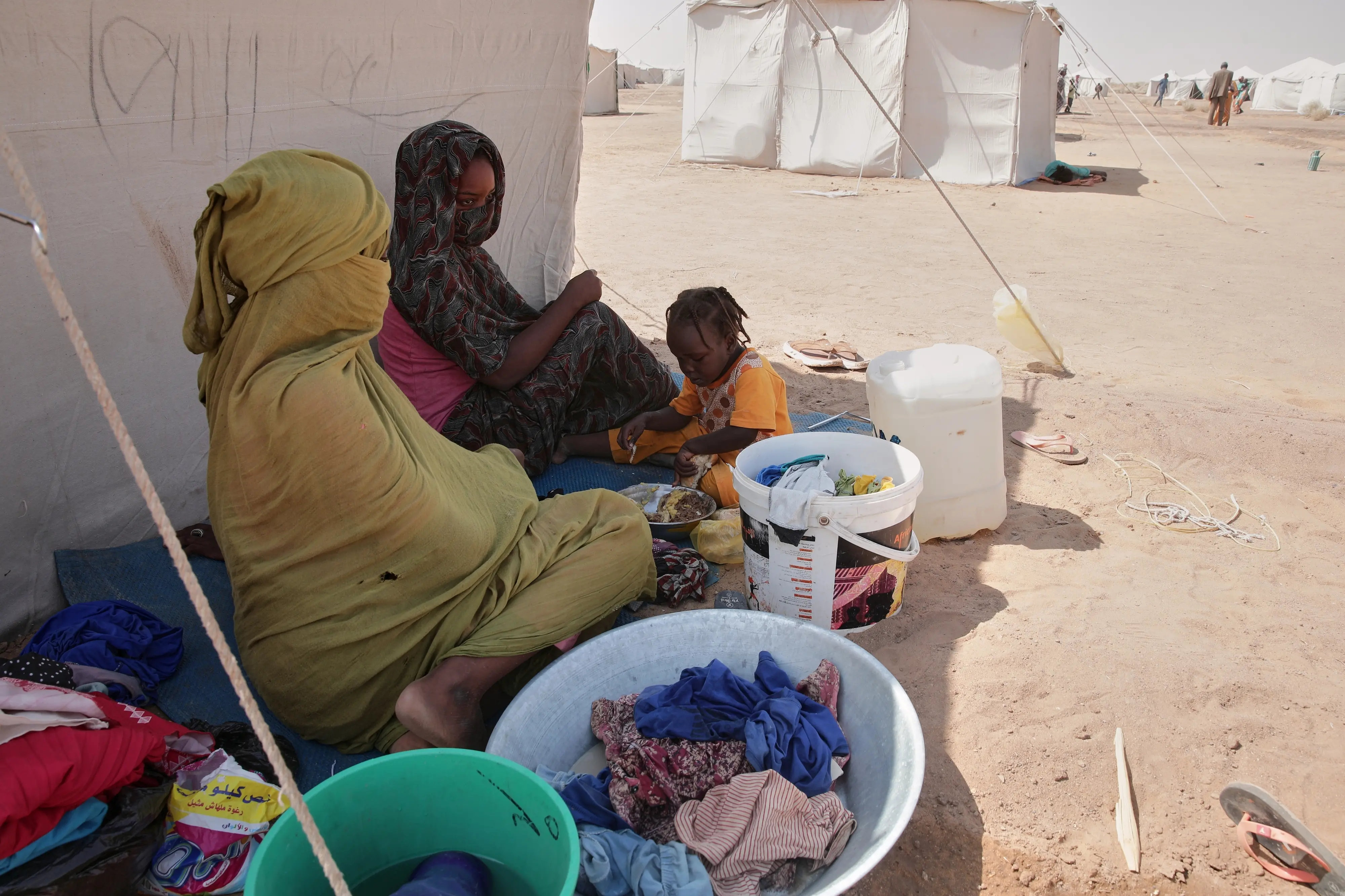
Meanwhile, displaced civilians continue to flee the region. Camps such as the one in al-Dabbah in northern Sudan are overcrowded after receiving thousands escaping Darfur and Kordofan. Many families reported travelling long distances on foot with little access to food or water. Witnesses described beatings, robbery, and further violence on the roads out of El-Fasher. The World Food Programme said it is scaling up assistance for those arriving “exhausted, thirsty and undernourished”.
The humanitarian situation around El-Fasher remains critical as the fighting continues to force civilians into perilous journeys across northern Sudan.
The conflict in Sudan escalated in April 2023 when tensions between the Sudanese Armed Forces and the RSF — once allied during the rule of Omar al-Bashir — erupted into open warfare. Darfur, historically the site of violent ethnic conflict, has experienced some of the worst atrocities. El-Fasher, the last major city held by the Sudanese army in the region, became a focal point of the fighting in 2024 and 2025.
Human rights groups had warned for months that a large-scale attack on El-Fasher could lead to mass casualties. When the RSF finally seized the city, reports of targeted killings and widespread sexual violence emerged almost immediately. Hospitals, aid workers, and displaced civilians have repeatedly been caught in the crossfire or deliberately targeted.
International observers continue to call for stronger global action as the humanitarian crisis deepens and accountability mechanisms remain limited.
(With AP inputs)