Ukraine war: Zelenskyy removes army chief Syrskyi, names Mykhailo Drapatyi as successor
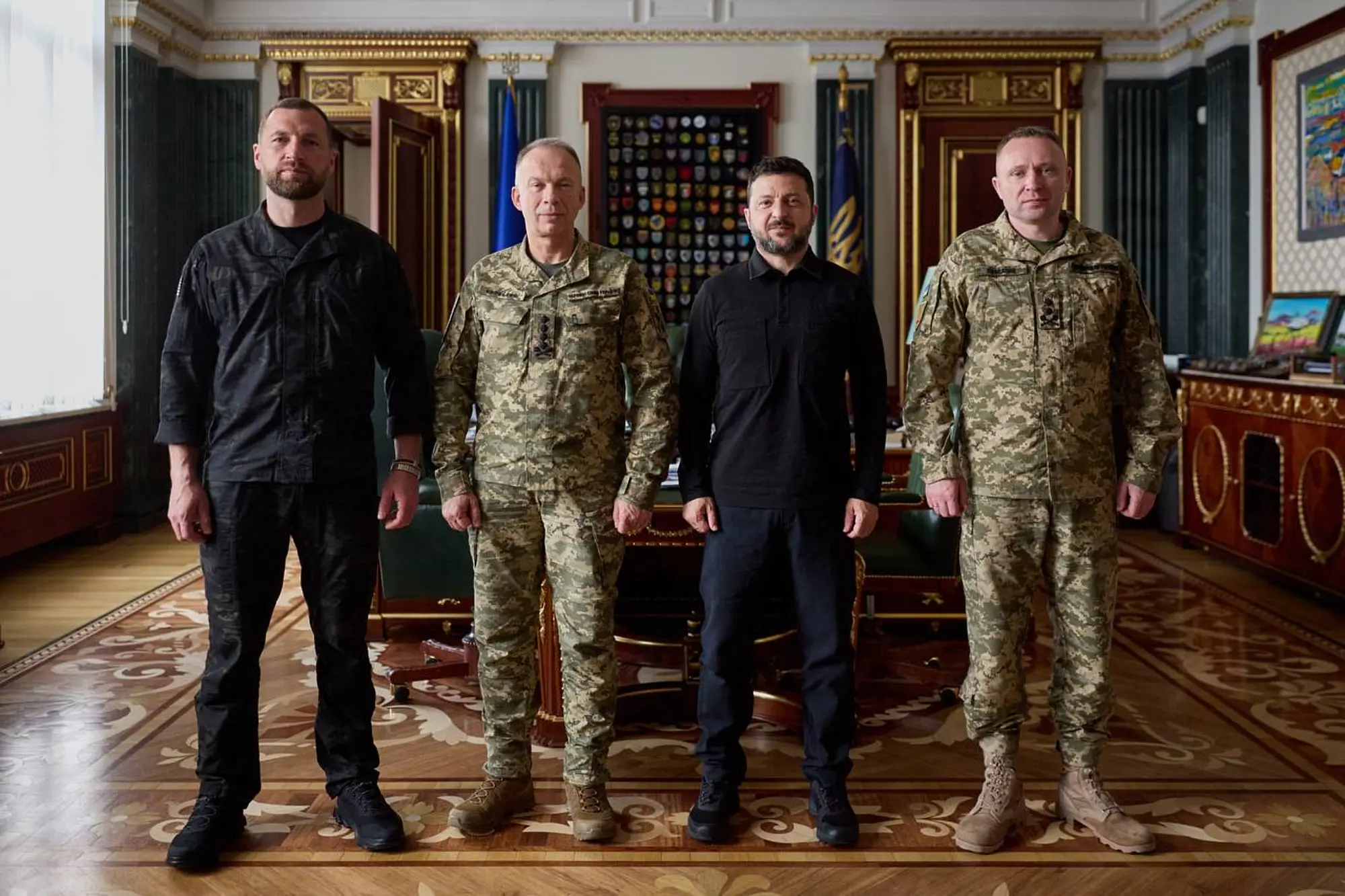
Kyiv: Ukraine has begun operating under new military leadership after President Volodymyr Zelenskyy removed the country's commander-in-chief Gen Oleksandr Syrskyi and appointed Maj Gen Mykhailo Drapatyi as his replacement.
The decision came during a broader government reshuffle that also involved Defence Minister Mykhailo Fedorov. The changes followed days of protests in Kyiv and other Ukrainian cities, where demonstrators demanded reforms and changes in military leadership.
Zelenskyy said the new leadership would focus on improving defence planning, increasing the speed of weapons and drone deliveries, strengthening air defence and creating a clearer mobilisation strategy.
Mykhailo Drapatyi takes charge as new army chief
Maj Gen Mykhailo Drapatyi, 43, belongs to a younger generation of Ukrainian military commanders who gained experience during the conflict with Russia.
He became recognised during the 2014 crisis following Russia's annexation of Crimea and later played roles during Ukraine's ongoing resistance against Moscow's full-scale invasion.
Zelenskyy has assigned Drapatyi the task of presenting a revised defence strategy, including reforms to military structures and improved battlefield coordination.
The leadership change came after public demonstrations in Kyiv and other Ukrainian cities.
Protesters had called for the removal of Gen Syrskyi, whom some critics viewed as representing an older military approach. They also demanded the return of Mykhailo Fedorov, who was credited with expanding Ukraine's drone capabilities.
Veterans and civil society groups argued that faster reforms were necessary to strengthen Ukraine's war effort against Russia.
Russia dismisses impact of leadership change
The Kremlin reacted to the reshuffle by saying it would not change the situation on the battlefield.
Russian spokesperson Dmitry Peskov claimed that Ukraine's leadership was facing internal instability and said Moscow's position on the conflict remained unchanged.
Russia continues to demand that Ukraine withdraw from territories Moscow claims to have annexed, abandon NATO ambitions and reduce the size of its military.
Ukraine has rejected these conditions.
Despite diplomatic efforts led by the United States, there has been no major progress towards a peace agreement between Russia and Ukraine.
Both sides continue military operations, while negotiations remain complicated by disagreements over territory, security guarantees and the future of Ukraine's defence policy.
Fighting continues as both sides exchange strikes
The leadership changes took place as Russia and Ukraine continued long-range attacks.
Ukraine carried out drone strikes targeting Russian facilities, including warehouses linked to major online retailer Wildberries, according to Russian officials.
Ukraine said some targeted locations were linked to Russian military supply chains and production of drone-related equipment.
Russia also continued strikes on Ukrainian cities and infrastructure. Ukraine's air force said Russia launched missiles and hundreds of long-range drones during overnight attacks.
A Russian drone strike in Ukraine's southern Odesa region killed a woman after hitting a residential building, according to local officials.
Ukraine faces political and military challenges
Zelenskyy's military reshuffle reflects the pressure facing Ukraine as the war enters another difficult phase.
The new leadership is expected to balance battlefield demands, military modernisation and public expectations while Russia continues its offensive operations.
With no immediate diplomatic breakthrough in sight, Ukraine's new command structure will play a key role in shaping the country's strategy in the ongoing war.