Not all tsunami alerts are same: The difference between an advisory, watch, and warning
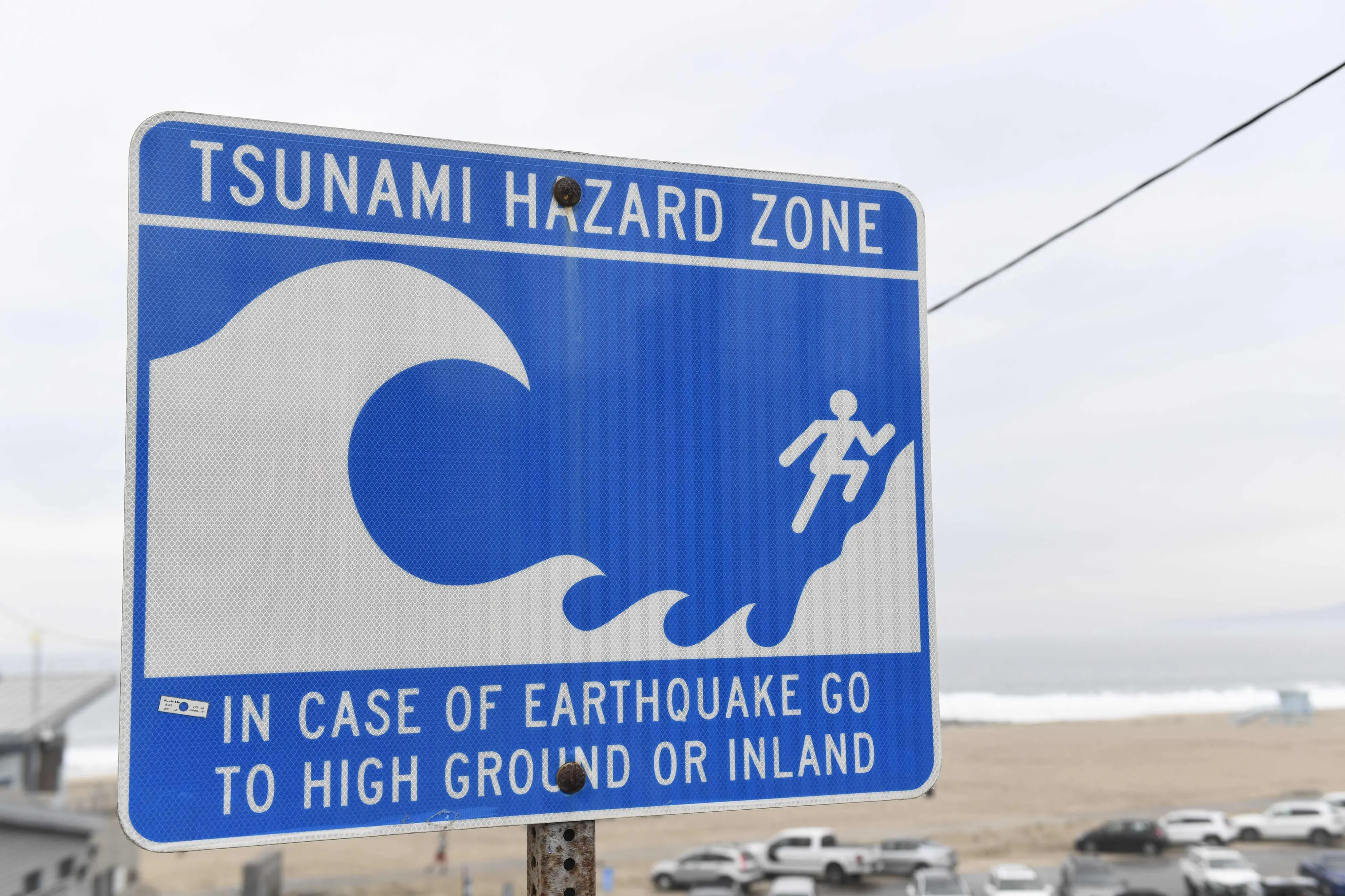
An enormous 8.8-magnitude earthquake struck off the eastern coast of Russia near the Kamchatka Peninsula, prompting tsunami alerts across the Pacific Ocean.
The quake, one of the strongest in over a decade, led to immediate warnings and advisories from Japan to Hawaii, with tsunami centres urging coastal populations to monitor the situation closely.
While some regions, such as parts of Japan’s Hokkaido and Russia’s eastern coast, have already reported minor tsunami waves ranging between 30 and 40 cm, the United States has issued a tsunami advisory along its West Coast, parts of Alaska, and various Pacific territories.
In such large-scale seismic events, terms like tsunami advisory, watch, and warning are critical — but often misunderstood.
🌊 Alertas de Tsunami Explicadas: ¡Conoce la Diferencia! 🌊 Recientemente, se emitió una Advertencia de Tsunami para...
Posted by US National Weather Service San Juan Puerto Rico on Sunday, February 9, 2025
Here's what each alert means, according to the US National Weather Service:
What is a tsunami watch?
A tsunami watch means a tsunami is possible, but not yet confirmed. It is typically issued when a major undersea earthquake has occurred and there is potential for tsunami generation. It serves as a preliminary alert for areas that could be affected if the tsunami materialises.
People under a tsunami watch should:
- Stay informed via official channels.
- Prepare to take action if upgraded.
- Avoid coastal zones if unnecessary.
What is a tsunami advisory?
A tsunami advisory indicates that a tsunami capable of producing strong currents or dangerous waves is expected or occurring. It is less severe than a warning but still poses risks to swimmers, boaters, and people near beaches, harbours, and estuaries.
During a tsunami advisory:
- Do not go into the water.
- Stay away from shorelines and ports.
- Remain alert for updated guidance.
Currently, much of the US Pacific coastline — including California, Oregon, Washington, Hawaii, and parts of Alaska — is under such an advisory, as waves around 1 foot have already been detected near Alaska’s Amchitka island.
What is a tsunami warning?
A tsunami warning is the most urgent alert, issued when a tsunami with the potential to cause widespread flooding, powerful currents, and life-threatening damage is imminent or already happening. Areas under a warning must evacuate to higher ground or move inland immediately.
Global impact and next steps
While countries like New Zealand and Australia have currently reported no threat, others in the Pacific basin — including the Philippines, Indonesia, Japan, and several US territories — remain on alert. Aftershocks have also been recorded in the region, raising concerns about continued seismic activity.
Authorities continue to monitor ocean levels and wave propagation across the Pacific Rim. The US tsunami centres and local emergency services are urging residents in affected zones to remain vigilant, follow instructions, and not underestimate the hazards even from “smaller” waves.