Crucial US midterms ahead; declining popularity: Republicans gear up for two-day Trump spectacle
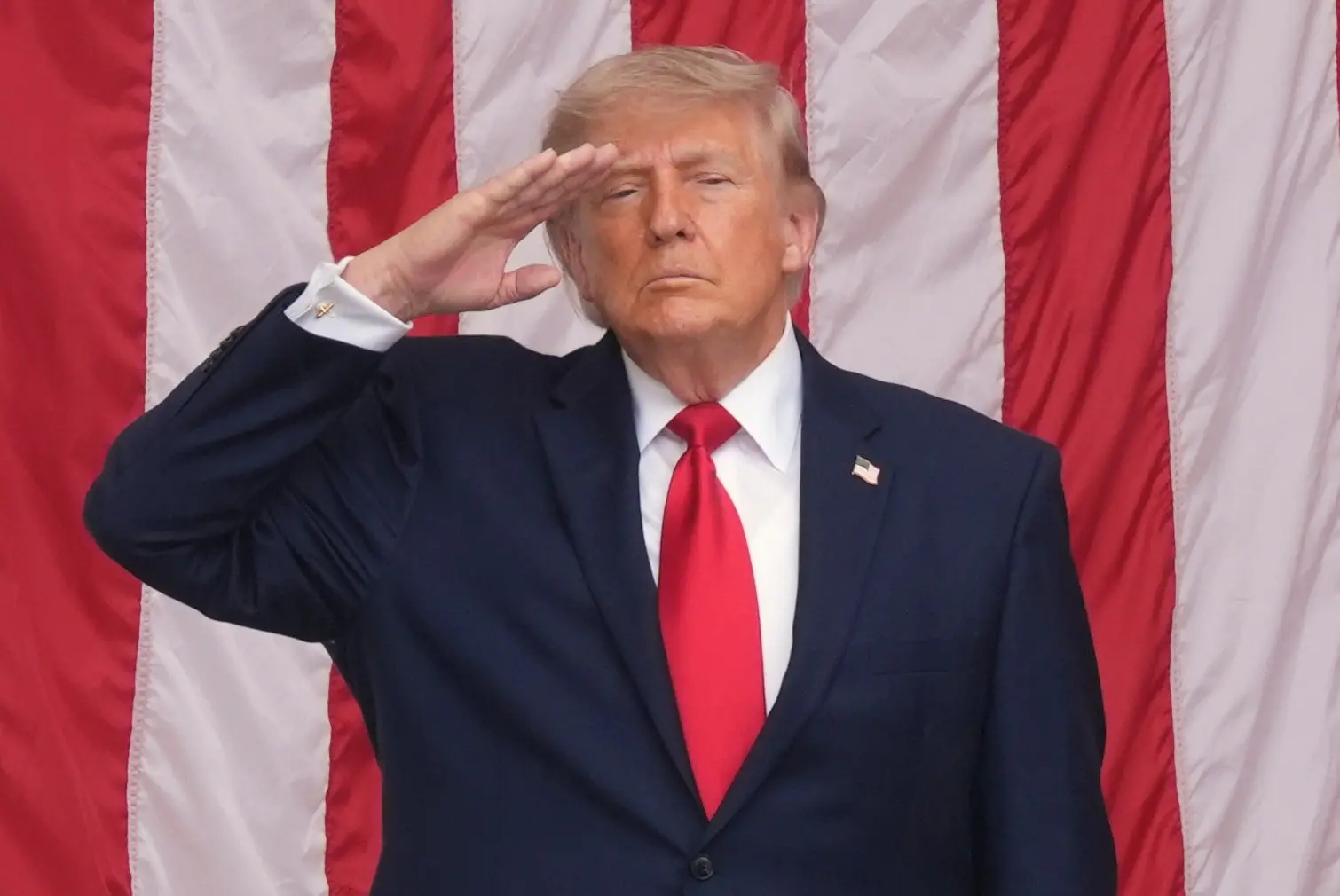
Washington: US Republicans will gather in Dallas, Texas, next week for a two-day convention aimed at convincing voters that Donald Trump remains central to the party’s November midterm campaign, even as his falling popularity threatens to become a liability.
The September 9-10 gathering, dubbed “Trumpapalooza” by Republican organisers, is an unusual midterm election experiment designed to rally voters around Trump’s record as the party faces growing concerns about losing control of Congress.
Decision Desk HQ projects Democrats to win the House of Representatives by 229 seats to 206, while putting the Senate at 50-50.
Republican leaders, however, have chosen more Trump, rather than less.
“The president's going to look right into the camera and say, ‘I am on the ballot,’” House Speaker Mike Johnson told supporters in Texas.
Trump to headline both days
Trump is scheduled to appear on both days of the convention at Dallas’ American Airlines Center.
He will headline Wednesday’s opening and deliver closing remarks at Thursday’s finale, following a keynote address by Vice President JD Vance.
Trump has promoted the gathering as a celebration of the administration’s achievements and the party’s candidates, calling it the “greatest rally of them all” in a social media post.
Republicans hope to showcase tax cuts, immigration policies and other administration policies while portraying Democrats as increasingly extreme.
Also read | US debt hits $40 trillion as Trump’s Iran threats add to economic pressure
Trump’s popularity raises concerns
The strategy carries significant political risks.
Trump’s approval rating has fallen into the low-to-mid 30s amid persistent inflation, high fuel prices, the unpopular war with Iran and a costly trade dispute with Canada.
The bigger concern for Republicans is whether candidates in competitive races want to tie themselves closely to the president.
A Politico survey of more than 70 Republican lawmakers and candidates found that most either did not plan to attend or had not committed to doing so.
Some vulnerable Republicans cited campaign commitments, debates or family obligations. Others reportedly objected to being asked to contribute at least $25,000 to attend.
Johnson acknowledged that some lawmakers needed to remain in their districts but said most Republicans would make at least an appearance.
“We have a real opportunity to defy history and win the midterms,” he said in a video promoting the event.
Also read | Trump floats renaming Strait of Hormuz as ‘Trump Strait’
NFL season adds to convention challenge
The convention also faces an unusual ratings challenge.
Both nights coincide with the opening games of the NFL season, potentially putting Trump’s prime-time appearances up against one of the most-watched sporting events in the US.
Republican organisers have rejected concerns over the timing, arguing that the gathering will energise activists, raise money and give candidates national exposure.
Tens of thousands of people are expected to attend.
The convention is also being used as a major fundraising opportunity. Donors have reportedly been offered a photograph with Trump for $88,600, while access to a roundtable with the president costs $250,000.
Also read | War likely to continue through winter, Zelenskyy says amid talks with US envoys
Republicans face a Trump dilemma
For the Republican Party, however, the central question is whether Trump can help candidates win in November without alienating voters they need to attract.
Trump will not be on the ballot in the midterms, leaving Republicans to persuade millions of voters who backed him in 2024 to return to the polls.
At the same time, candidates in competitive districts and states must consider how closely they should identify with a president whose approval ratings have weakened.
Veteran Republican political consultant Matt Klink said Trump could be both an advantage and a burden, depending on the state.
“Some candidates will continue to embrace Trump, while other battleground campaigns are weighing how closely to identify with him amid inflation concerns, the Iran war and his weak approval ratings,” he told AFP.
He said Republicans could not completely distance themselves from Trump but could focus their campaigns on local issues while portraying Democratic opponents as radical extremists.
The Dallas convention will therefore serve as a test of the Republican Party’s central 2026 strategy: whether putting Trump at the centre of the campaign can energise his core supporters without driving away the independent and swing voters who could determine control of Congress.