After Iran, Trump signals Cuba move as Havana rejects US threats
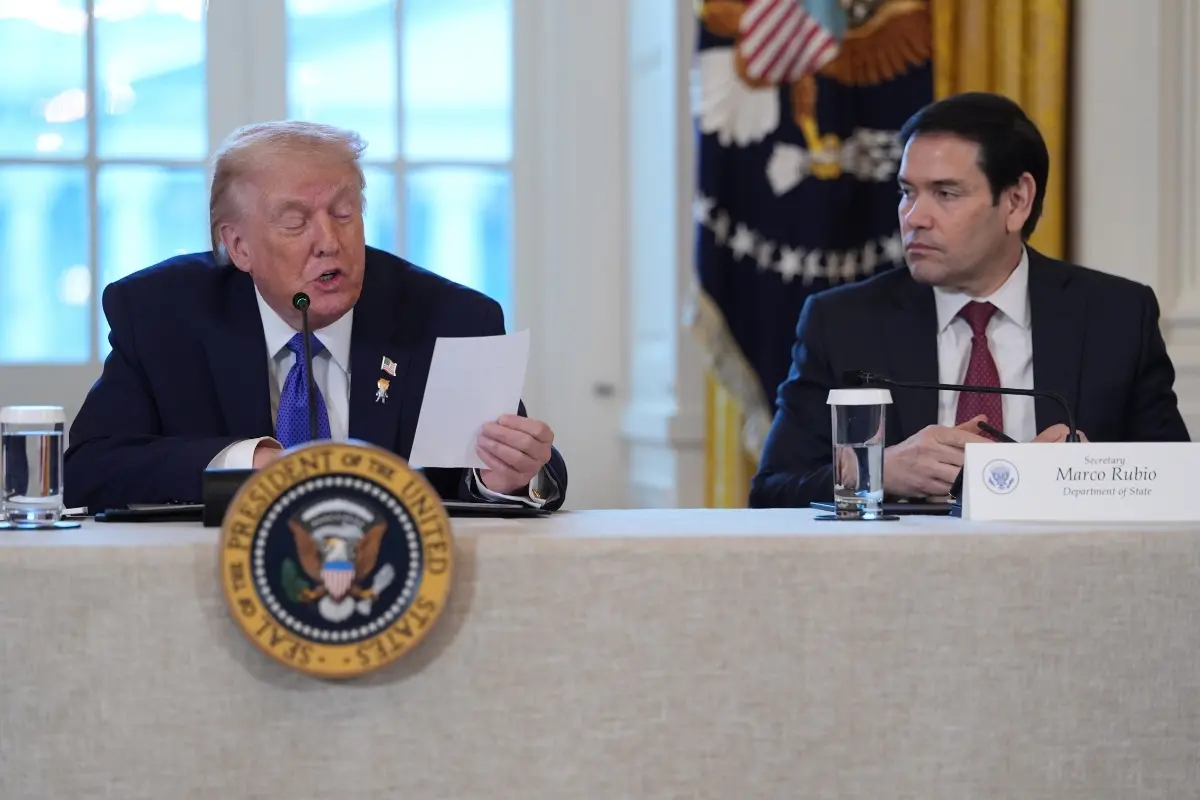
US President Donald Trump has renewed his warnings to Cuba, suggesting that American warships returning from the conflict with Iran could stop off the island, drawing a sharp response from Havana as Washington steps up pressure on the Cuban government.
Speaking at a midterm election campaign event in Florida on Friday, Trump said the US would address Cuba after dealing with Iran. He suggested that a US warship could stop close to the Cuban coast before Secretary of State Marco Rubio was sent in.
Cuba’s Foreign Minister Bruno Rodríguez rejected the remarks, warning against what he described as US ambitions to dominate the island.
In a post on X, Rodríguez said Cuba would not accept threats and warned that its coastline would be hostile to anyone arriving with aggressive intentions.
Rubio calls for discreet cooperation with CIA
The exchange came as Washington stepped up its pressure campaign against Havana.
Earlier on Friday, Rubio urged Cubans seeking political change to establish a discreet partnership with the Central Intelligence Agency (CIA). He cited corruption, broken promises and the privileges enjoyed by a select few as reasons for Cubans to seize what he described as an opportunity for change.
The remarks add to the administration’s increasingly confrontational approach towards Cuba, including new penalties targeting nine state-owned companies in the construction, mining and metals sectors.
Washington has also tightened enforcement of restrictions on US citizens doing business with Cuban state-controlled enterprises.
Trump has previously threatened to take over Cuba
Trump has repeatedly signalled that he wants a change in Cuba’s leadership. On May 2, he said the United States would be taking over Cuba “almost immediately”, while speaking at an event hosted by the Forum Club of the Palm Beaches.
The White House has also described the Cuban government as a threat to US interests and democratic values.
With agency inputs