Trump tears up trade diplomacy: Has America abandoned the global order it built?
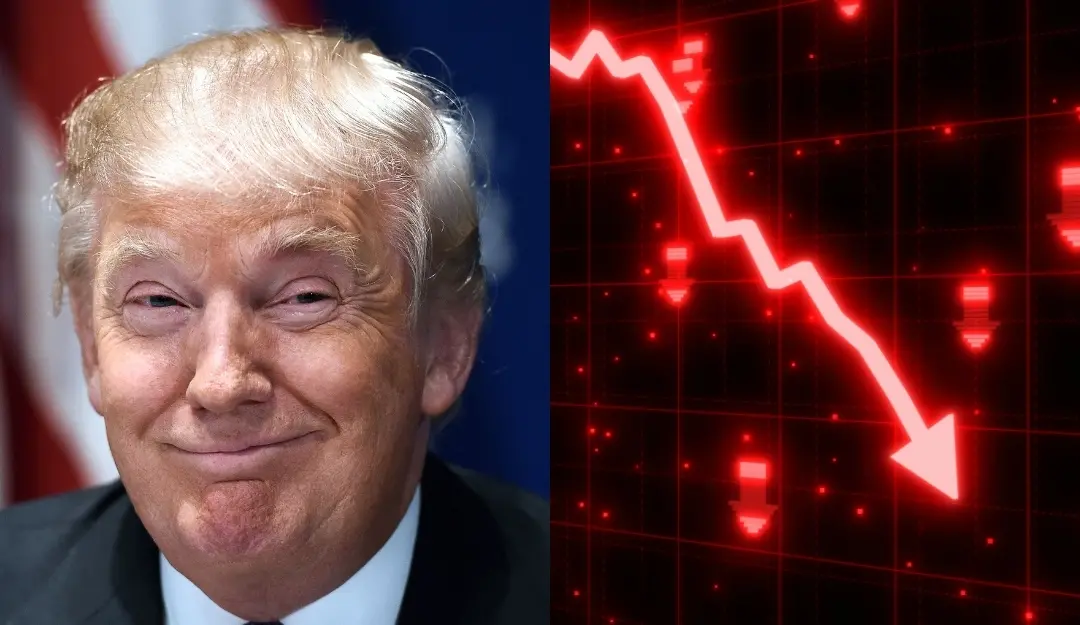
Washington DC: United States President Donald Trump’s newly announced tariffs, set to take effect on August 7, go far beyond economic pressure.
By imposing duties of up to 50% on over 60 nations, the United States is signalling a clear departure from the international trade system it once helped build and champion.
The new tariff regime — labelled as a national security measure — not only raises the cost of foreign goods but also breaks long-standing agreements, including some negotiated under the World Trade Organization (WTO). Economists and trade historians say the move could formally unravel the rules-based global trading system that emerged after World War II, where the US led efforts to integrate global markets under a shared prosperity model.
“Trump has decisively and irrevocably taken the hammer to the global rules-based trading system,” said Eswar Prasad, a trade policy expert at Cornell University according to The New York Times.
A protectionist pivot
The tariffs apply widely:
- Canada’s exports face a hike from 25% to 35% starting August 1 — though USMCA goods are exempt.
- Brazil, Syria, Laos, and Myanmar are hit hardest with rates up to 50%.
- Others, like Taiwan, Sri Lanka, Ecuador, and Nigeria, will see tariffs between 15% and 20%.
- Even countries that struck last-minute deals — such as the UK, EU, and Japan — still face tariffs between 10–20%.
- Goods shipped before August 7 and arriving before October 5 are temporarily exempt.
From cooperation to coercion
Rather than working within global institutions, Trump’s approach is unilateral, transactional, and dominated by executive orders. The new policy is designed to reward countries that offer short-term economic concessions to the US, such as energy purchases or factory investments, rather than adhering to mutually agreed trade norms.
Even allies like South Korea and Mexico received short-term reprieves — but no assurance that their exemptions will last. Mexico was granted a 90-day pause, and China reportedly secured a 90-day trade truce extension in talks held in Stockholm.
India has not been explicitly named in Donald Trump’s sweeping latest global tariff order that targets over 60 countries from August 7, but its position remains uncertain. Donald Trump announced a 25% tariff on India,before along with an unspecified "penalty for using Russian weapons & oil."
While the US has previously clashed with India over trade imbalances and revoked its GSP benefits, New Delhi may be trying to negotiate exemptions quietly. If India escapes the first wave, it could still face pressure to make trade concessions or increase US imports to avoid future tariffs. Key export sectors like pharma, textiles, and electronics could be at risk if India ends up on a future list.
A blow to long-term trust
For foreign companies and investors, the message is clear: America’s trade policy now depends on presidential discretion, not long-standing treaties or predictable frameworks. The lack of transparency and constant changes are making companies hesitate to commit to manufacturing or investing in the US.
“Fifteen percent is for today,” said Peter Kim of KB Securities. “Companies are saying, we’ll just weather it out — for now.”
Trump’s tariff announcement may reshape supply chains, raise prices, and provoke legal challenges. But its deeper significance lies in what it symbolises: a shift from global cooperation to economic nationalism, and from multilateralism to deal-by-deal brinkmanship. As the world watches the US turn inward, the era of America as the architect of global trade could be ending — not with negotiation, but with a tariff.