48 hours, 5 days, 10 days… and counting: Trump’s ever-changing Iran deadline
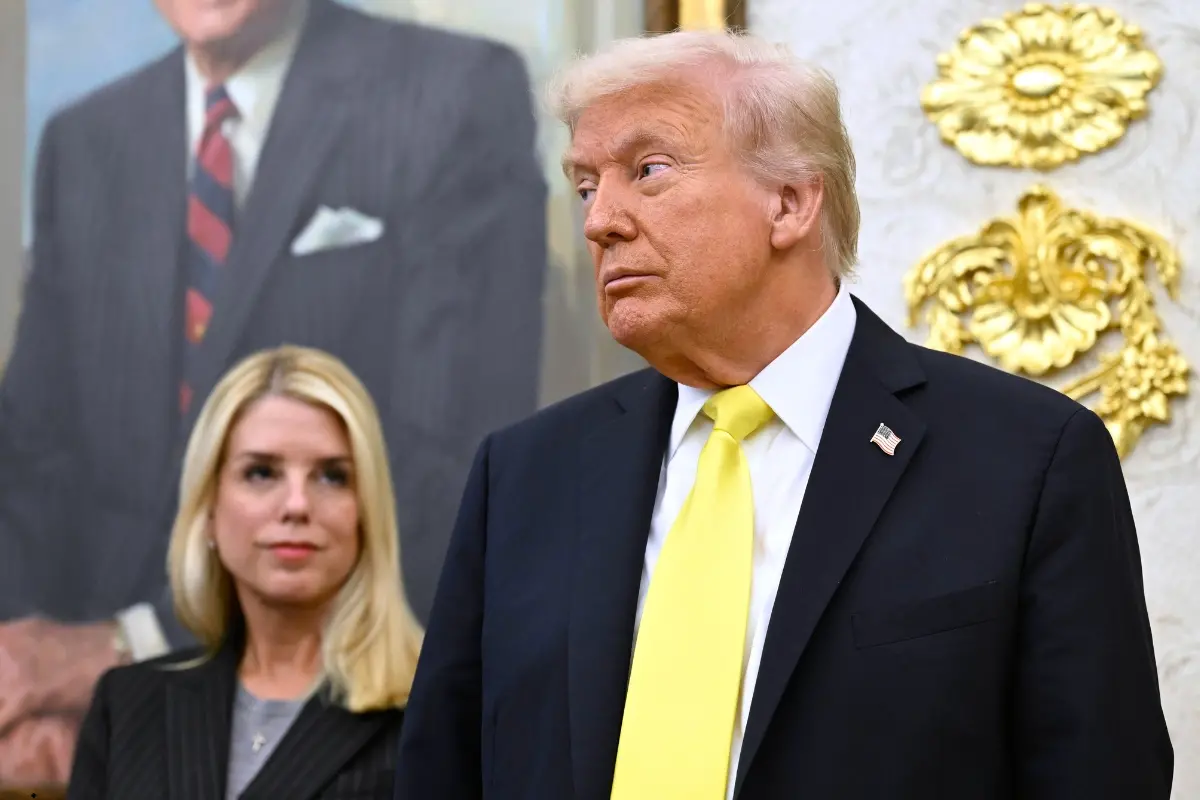
Tensions between the United States and Iran have intensified in recent weeks as Donald Trump repeatedly revised deadlines for reopening the Strait of Hormuz.
The narrow passage is one of the most critical energy routes in the world, handling an estimated 20–25 per cent of global oil trade and a significant share of liquefied natural gas (LNG) shipments.
Since the escalation of conflict in late February, shipping through the Strait has been disrupted, with hundreds of vessels reportedly stranded or rerouted. The uncertainty has contributed to volatility in global oil prices and raised concerns over supply chain disruptions, particularly for energy-dependent economies in Asia and Europe.
Timeline: how Trump shifted deadlines multiple times
- March 21: Initial 48-hour ultimatum
Trump first issued a strong warning, giving Iran 48 hours to reopen the Strait or face potential US military action targeting key infrastructure, including power facilities. The statement marked a sharp escalation in rhetoric.
- March 23: First extension
Just before the deadline expired, Trump postponed action by five days, citing possible diplomatic progress. However, no concrete agreement emerged during this period.
- March 26: Deadline pushed to April 6
The US President extended the timeline further by ten days, claiming Iran had sought additional time for negotiations. Iranian officials denied making such a request, deepening uncertainty around the process.
- April 4: Renewed warning
Trump reiterated that “time is running out” and re-emphasised the April 6 deadline, signalling that military options remained on the table if no agreement was reached.
- April 5–6: Confusion over final deadline
Trump appeared to shift the deadline again, suggesting April 7 in one statement before later posting a specific timing on social media. The conflicting messages created confusion about the exact timeline for potential US action.
Why the Strait of Hormuz matters globally
The Strait of Hormuz is a narrow waterway, approximately 33 kilometres wide at its narrowest point, but it carries a disproportionate share of the world’s energy supply. According to global energy estimates:
- Around 17–20 million barrels of oil pass through the Strait daily
- Nearly one-fifth of global petroleum consumption depends on this route
- Major exporters using the route include Saudi Arabia, Iraq, the UAE, Kuwait and Iran
- Key importers include India, China, Japan and South Korea
Any disruption in this corridor has immediate global repercussions, including rising fuel prices, shipping delays and insurance cost spikes for vessels operating in the region.
Iran’s response and strategic stance
Iran has maintained that the Strait is not entirely closed but restricted for what it describes as “hostile nations.” Officials have allowed ships from “friendly countries” to pass, indicating a selective control strategy rather than a full blockade.
Iranian responses have also included diplomatic messaging and public statements suggesting that reopening the Strait could depend on conditions such as compensation for war-related damages. This position reflects a broader attempt to leverage control of the waterway in negotiations.
Reports indicate that limited ship movement has resumed under Iranian approval, with a small number of vessels passing through in recent days. However, overall traffic remains significantly below normal levels.
Impact on global markets and energy prices
The ongoing situation has had a noticeable impact on global markets:
- Crude oil prices have shown volatility, with spikes following each escalation in rhetoric
- Shipping costs and insurance premiums for vessels in the Gulf region have increased
- Energy-importing countries are facing higher procurement costs
- Global stock markets have reacted cautiously due to geopolitical uncertainty
For countries like India, which relies heavily on oil imports, prolonged disruption in the Strait could translate into higher fuel prices and inflationary pressures.
Military threats and risk of escalation
Trump has issued increasingly strong warnings, including threats to target Iranian infrastructure such as power plants and bridges if the Strait is not reopened. These statements have raised concerns about a potential widening of the conflict.
At the same time, Iran has maintained a defiant stance, signalling readiness to respond to any military action. Both sides have exchanged warnings, and there are growing concerns about the risk of escalation affecting civilian infrastructure and maritime safety.
What happens next
The repeated shifting of deadlines highlights a mix of diplomatic pressure and strategic signalling by the United States. However, the lack of a clear and consistent timeline has added to uncertainty in global markets and among international stakeholders.
With no confirmed agreement in place and both sides holding firm positions, the situation around the Strait of Hormuz remains highly fluid. The coming days will be critical in determining whether the standoff moves towards de-escalation or further intensifies, with significant implications for global energy security and geopolitical stability.