Trump signs executive order pledging US defence of Qatar after Israeli strike
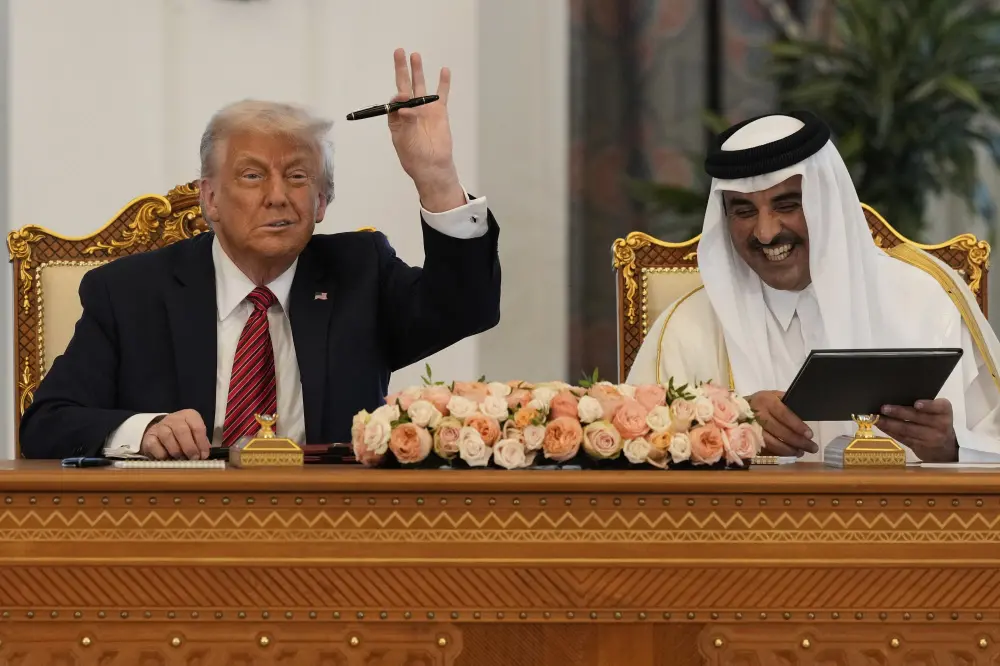
Dubai: President Donald Trump has issued an executive order pledging that the United States will defend Qatar against any external attack, including through possible military action, following Israel’s surprise strike on the Gulf nation.
The order, dated Monday but published on the White House website on Wednesday, comes as Washington seeks to reassure Doha after the Israeli attack killed six people, including a member of the Qatari security forces. The strike targeted Hamas leaders in Qatar as they weighed a potential ceasefire deal over the ongoing war in Gaza.
In the executive order, Trump cited the two countries’ “close cooperation” and “shared interest,” vowing to “guarantee the security and territorial integrity of the state of Qatar against external attack.”
“The United States shall regard any armed attack on the territory, sovereignty or critical infrastructure of the state of Qatar as a threat to the peace and security of the United States,” the order says.
“In the event of such an attack, the United States shall take all lawful and appropriate measures — including diplomatic, economic, and, if necessary, military — to defend the interests of the United States and of the state of Qatar and to restore peace and stability.”
Trump later spoke by phone with Qatar’s ruling Emir Sheikh Tamim bin Hamad Al Thani, according to a White House official who requested anonymity. No details of the call were released.
The executive order followed Israeli Prime Minister Benjamin Netanyahu’s visit to Washington on Monday. During the trip, Trump arranged a call between Netanyahu and the Qatari leadership in which the Israeli premier “expressed his deep regret” over the strike, the White House said.
Qatari officials have not commented on the order, though the state-funded broadcaster Al Jazeera gave it prominent coverage under the headline: “New Trump executive order guarantees Qatar security after Israeli attack.”
While the pledge marks a significant political gesture, its legal and military weight remains uncertain. Binding defence treaties typically require US Senate approval. Still, presidents have at times entered international agreements without it, such as Barack Obama’s 2015 nuclear accord with Iran.
Qatar, home to the US military’s vast Al Udeid Air Base, was named a major non-NATO ally by President Joe Biden in 2022. The small but wealthy Gulf nation has long been a key American partner, bolstered by its natural gas reserves and regional influence.
The Israeli strike also comes amid shifting Gulf security dynamics. Saudi Arabia has signed a mutual defence pact with Pakistan, bringing the kingdom under Islamabad’s nuclear umbrella. Analysts suggest other Gulf states may seek similar arrangements with Washington as they weigh both Israel’s unpredictability and renewed UN sanctions on Iran.
“The Gulf's centrality in the Middle East and its significance to the United States warrants specific US guarantees beyond President Donald J. Trump's assurances of nonrepetition and dinner meetings,” wrote Bader al-Saif, a history professor at Kuwait University.