Islamabad summit? Trump reposts Pakistan PM Shehbaz Sharif’s offer to mediate Iran war
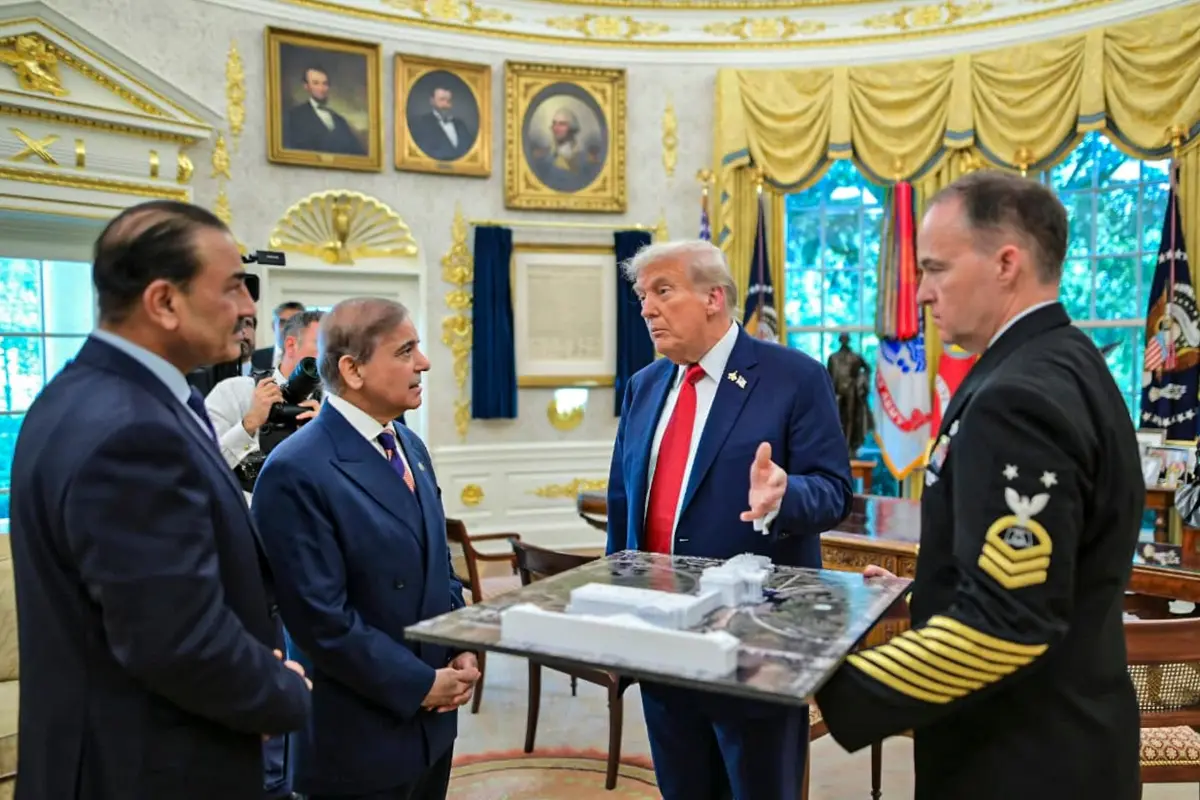
Washington: President Donald J. Trump signalled a potential diplomatic breakthrough in the Middle East on Tuesday by sharing a post from Pakistan Prime Minister Shehbaz Sharif that offered Islamabad as a neutral venue for mediation between the United States and Iran.
The social media endorsement on Trump’s Truth Social platform comes as the region grapples with the fallout of the 80th wave of Iranian missile strikes and a newly revealed 15-point peace proposal drafted by Washington.
The Digital Endorsement
The president’s decision to repost Sharif’s invitation without additional commentary has ignited speculation that the administration is seeking a diplomatic "off-ramp" to the month-long conflict. Sharif’s original statement noted that Pakistan stands "ready and honoured" to facilitate "meaningful and conclusive talks" aimed at a comprehensive settlement. While the White House has characterised the situation as fluid, the reposting of the offer suggests a high-level validation of Pakistan’s role as a primary intermediary.
Escalation Amid Diplomacy
The diplomatic overtures coincided with a massive military escalation known as "Operation True Promise 4." On Wednesday, the Islamic Revolutionary Guard Corps launched its 80th wave of strikes since the start of the conflict, targeting strategic installations in northern Israel and U.S. outposts in Kuwait, Jordan, and Bahrain. Tehran officials characterised the barrage as a response to continued U.S. presence, dismissing previous claims of "productive conversations" as psychological warfare intended to stabilise global oil markets.
The 15-Point Peace Framework
At the centre of the potential Islamabad summit is a comprehensive 15-point peace deal delivered to the Iranian leadership via Pakistani diplomatic channels. The proposal demands a permanent halt to all Iranian uranium enrichment and the dismantling of ballistic missile infrastructure in exchange for the total removal of primary economic sanctions. The deal also seeks a guaranteed reopening of the Strait of Hormuz and an end to the funding of regional proxy groups. In return, the United States has offered to assist in developing a civilian-only nuclear program and to provide significant economic investment to revive the Iranian economy.
The Islamabad Conduit
Pakistan has emerged as the central hub for "shuttle diplomacy" due to its unique position of maintaining the Iranian Interests Section in Washington while holding close ties with the Trump administration. Sources indicate that high-level meetings could begin in Islamabad as early as next week, with potential U.S. representation including Vice President JD Vance and Special Envoy Steve Witkoff. Pakistan’s Army Chief, Field Marshal Asim Munir, has reportedly remained in constant contact with the transition team to coordinate security and logistics for the proposed summit.
Global Market Reactions
The dual tracks of heavy combat and high-stakes diplomacy have left global energy markets in a state of volatility. Brent crude prices have fluctuated near $100 per barrel as traders weigh the possibility of a ceasefire against the reality of the 80th strike wave. While Tehran officially denies that direct negotiations are underway, the internal economic pressure following three weeks of sustained warfare has reportedly made the 15-point U.S. proposal a subject of intense debate within the Iranian parliament.