‘We don’t need anybody’: Trump hits back as Germany, UK reject NATO role in Hormuz
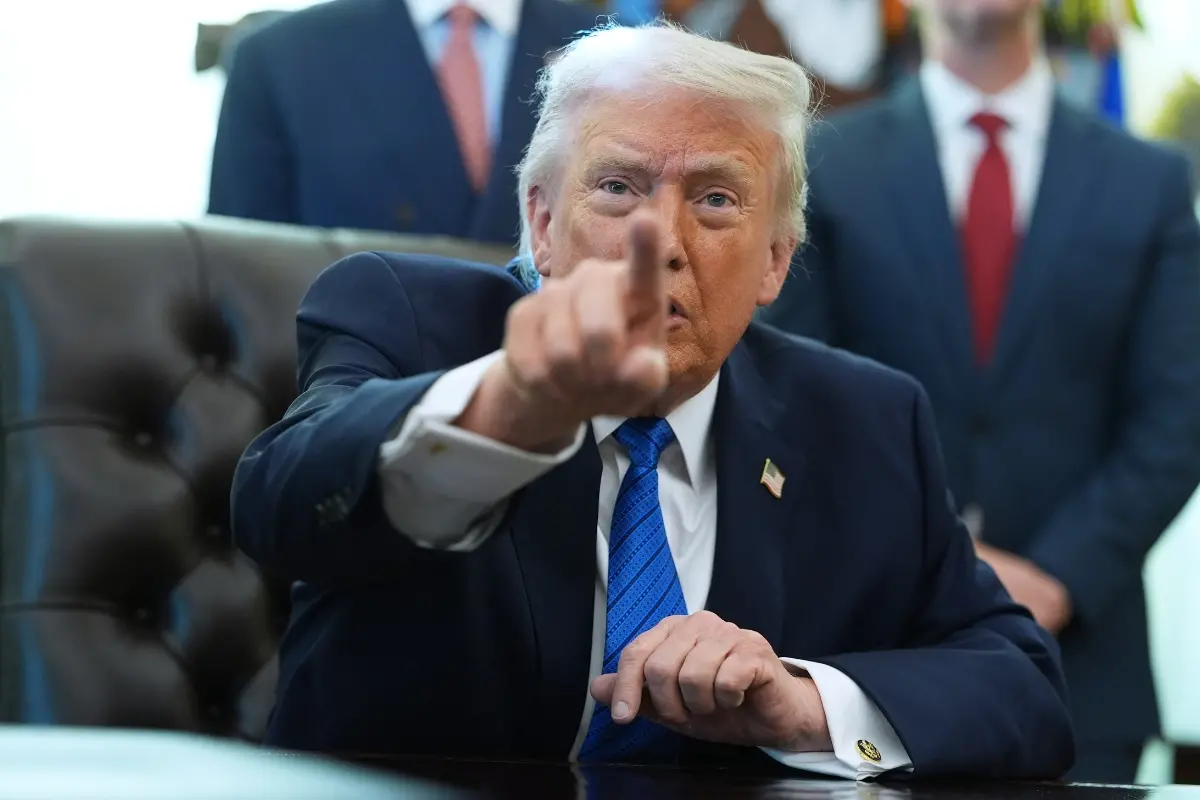
Key NATO allies have pushed back against calls from US President Donald Trump to assist in securing the Strait of Hormuz, as tensions rise following US-Israeli strikes on Iran. European leaders, including those in Germany and the United Kingdom, have made clear they do not see the conflict as falling within the alliance’s remit.
The rejection comes after Iran moved to effectively block the strategic waterway, a critical route for roughly a fifth of global oil shipments, in response to the military campaign launched on 28 February by the United States and Israel.
Europe distances itself from US-led push
Germany took a firm stance, with a spokesperson for Chancellor Friedrich Merz stating, “It is not Nato’s war. Nato is an alliance to defend the alliance area. The United States did not consult us before this war, and so we believe this is not a matter for Nato or the German government.”
Defence Minister Boris Pistorius echoed that position, questioning the practicality of European involvement. “What does (...) Donald Trump expect a handful or two handfuls of European frigates to do in the Strait of Hormuz that the powerful US navy cannot do?” he said.
UK unwilling to enter ‘wider war’
British Prime Minister Keir Starmer also ruled out direct military involvement, warning that the UK “will not be drawn into the wider war”.
While acknowledging the importance of reopening the strait to stabilise global markets, Starmer stressed the need for a coordinated and credible international approach. “Ultimately, we have to reopen the Strait of Hormuz to ensure stability on the market. That is not a simple task. There have been discussions going on in relation to a viable plan.”
He added, “We want to make sure that that involves as many partners as possible, that’s been our stated directive here, particularly talking to European partners, inevitably talking to Gulf partners and to the US, because we need a credible, viable plan, if we can.”
However, he stopped short of committing British naval assets, even as concerns grow over potential fuel shortages if the disruption continues.
Trump criticises allies’ reluctance
Trump reacted sharply to the lack of support, singling out the UK in particular. He said he was "surprised" and "not happy", adding, “They should be involved enthusiastically.”
The US president has argued that allies should contribute more, pointing to Washington’s financial and military commitments to NATO and Ukraine. He also issued a stark warning about the alliance’s future, saying it could face serious consequences if members fail to act.
At the same time, Trump appeared to soften his stance, saying, “Because my attitude is, we don't need anybody,” and adding, “We're the strongest nation in the world. We have the strongest military by far. We don't need them.”
He continued, “But it's interesting. I'm almost doing it in some cases, not because we need them, because I want to find out how they react, because I've been saying for years that [if] we ever did need them, they won't be there.”
Calls for diplomacy over military action
Elsewhere in Europe, leaders have emphasised diplomacy rather than escalation. Italian Foreign Minister Antonio Tajani said, “As far as Hormuz is concerned I believe diplomacy needs to prevail,” noting that Italy has no plans to extend its existing naval missions to the area.
Spain also rejected the proposal outright, with Defence Minister Margarita Robles insisting the focus should remain on ending the conflict.
Officials across the continent have also called for greater clarity from Washington. Estonia’s leadership questioned the strategic objectives behind the US request, while former president Toomas Hendrik Ilves described the appeal as “a bit rich” given past tensions between Trump and European allies.
Wider international hesitation
Beyond Europe, key US partners including Japan and Australia have indicated they do not intend to deploy naval forces to the strait. Meanwhile, proposals to expand existing European Union maritime operations, such as those in the Red Sea, have found little support among member states.
Top EU diplomat Kaja Kallas said there was currently no appetite to broaden the scope of such missions.
Strategic waterway at the centre of tensions
The Strait of Hormuz remains a vital chokepoint for global energy supplies, and its disruption has already sent oil prices sharply higher, raising fears of a wider economic shock.
Trump said earlier on Monday that Iran’s retaliatory strikes against its neighbours including Qatar, Saudi Arabia, the United Arab Emirates, Bahrain and Kuwait were a surprise.
"They (Iran) weren’t supposed to go after all these other countries in the Middle East," he said. "Nobody expected that. We were shocked."
However, Trump was warned that attacking Iran could trigger retaliation against US Gulf allies, according to a US official and two sources familiar with US intelligence reports.