Trump plans military action against Latin American drug cartels: Reports
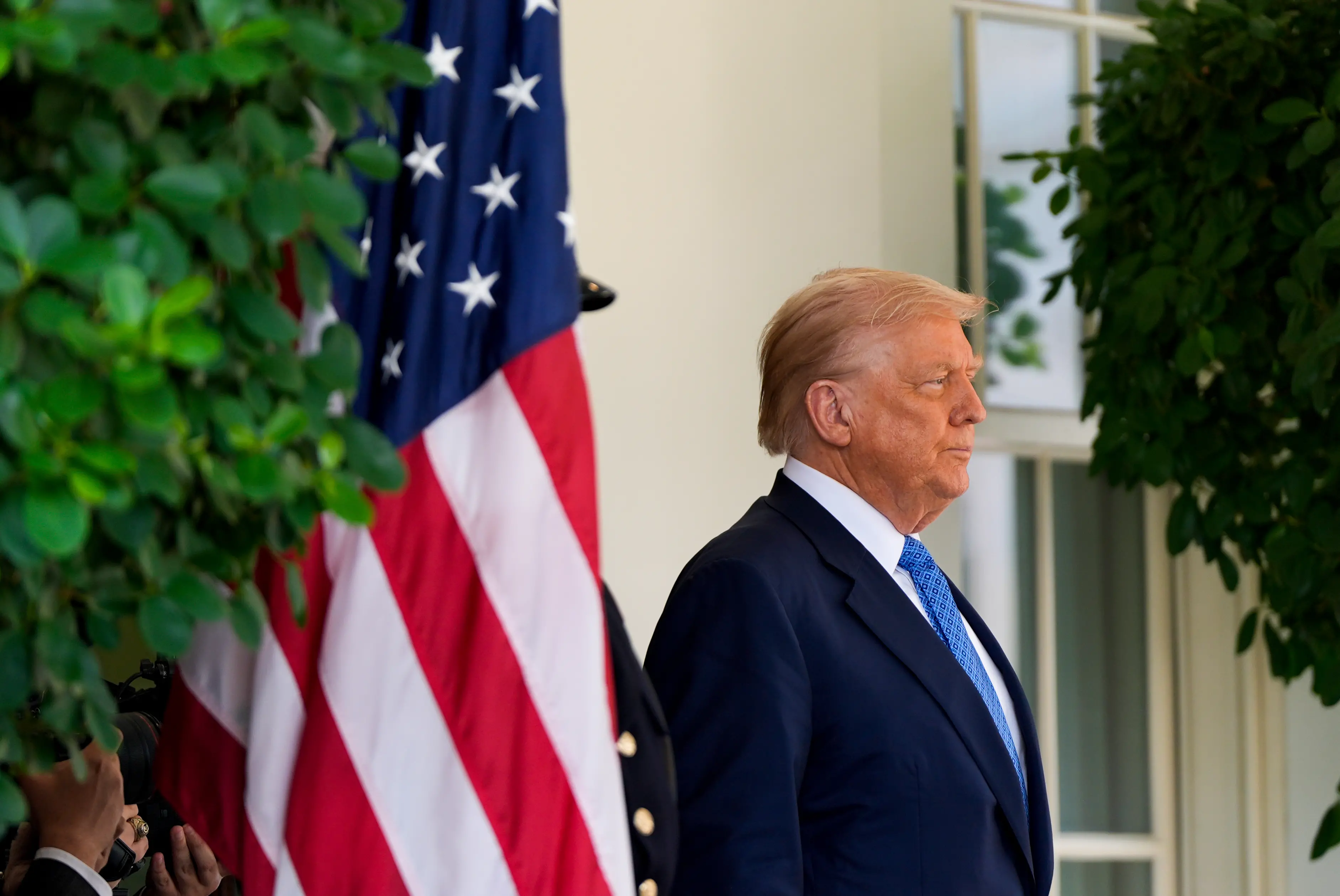
Washington: US President Donald Trump may soon deploy military force against Latin American drug cartels, according to reports in major American media outlets. This move follows Washington’s decision earlier this year to label several major cartels as foreign terrorist organisations.
According to The New York Times, Trump has directed the Pentagon to consider the use of military power against drug trafficking groups that have been designated as terrorist threats.
The Wall Street Journal added that the president has asked for military options, including the possible deployment of special forces and intelligence support. Any potential operation would involve coordination with international partners, the report said.
While the White House has not officially confirmed the reports, spokeswoman Anna Kelly issued a statement saying, President Trump's “top priority is protecting the homeland, which is why he took the bold step to designate several cartels and gangs as foreign terrorist organizations."
Several cartels already labelled as terrorist groups
In February 2025, the United States officially classified a number of Latin American drug cartels as terrorist organisations. These include Mexico’s Sinaloa Cartel, Venezuela’s Tren de Aragua, and six others.
Since then, another Venezuelan cartel, the Cartel of the Suns, has also been added to the list. This group is accused of smuggling hundreds of tonnes of narcotics into the US over the last 20 years. The US government has even accused Venezuelan President Nicolás Maduro of leading the cartel, a claim that Caracas dismissed as a "ridiculous smokescreen."
Executive order signed on day one
On 20 January 2025, Trump signed an executive order on his return to office, establishing a legal process to designate drug cartels as national security threats. He stated that these groups pose "a national-security threat beyond that posed by traditional organized crime."
US Secretary of State Marco Rubio commented on the designations in a recent interview with EWTN, "The designations allow us to now target what they're operating and to use other elements of American power, intelligence agencies, the Department of Defense, whatever – to target these groups…We have to start treating them as armed terrorist organizations, not simply drug dealing organizations. It's no longer a law enforcement issue. It becomes a national security issue."
Mexico rejects military involvement
Following the reports, both the US embassy in Mexico and the Mexican foreign ministry issued statements. While the embassy emphasised cooperation, "Both countries would use every tool at our disposal to protect our peoples from drug trafficking groups."
Mexico, however, strongly objected to any US military presence on its territory. The foreign ministry stated that Mexico "would not accept the participation of US military forces on our territory."
Mexican President Claudia Sheinbaum responded firmly to reports of possible US military action. "We are cooperating, we are collaborating, but there will be no invasion. That is absolutely ruled out."
Sheinbaum has been working to convince the Trump administration that Mexico is actively combating drug cartels, especially those involved in fentanyl trafficking. She has gained a reputation in the media as the "Trump whisperer" for previously managing to ease tensions over trade and border issues.
With AFP inputs