Trump orders plan for possible invasion of Greenland, faces military resistance: Reports
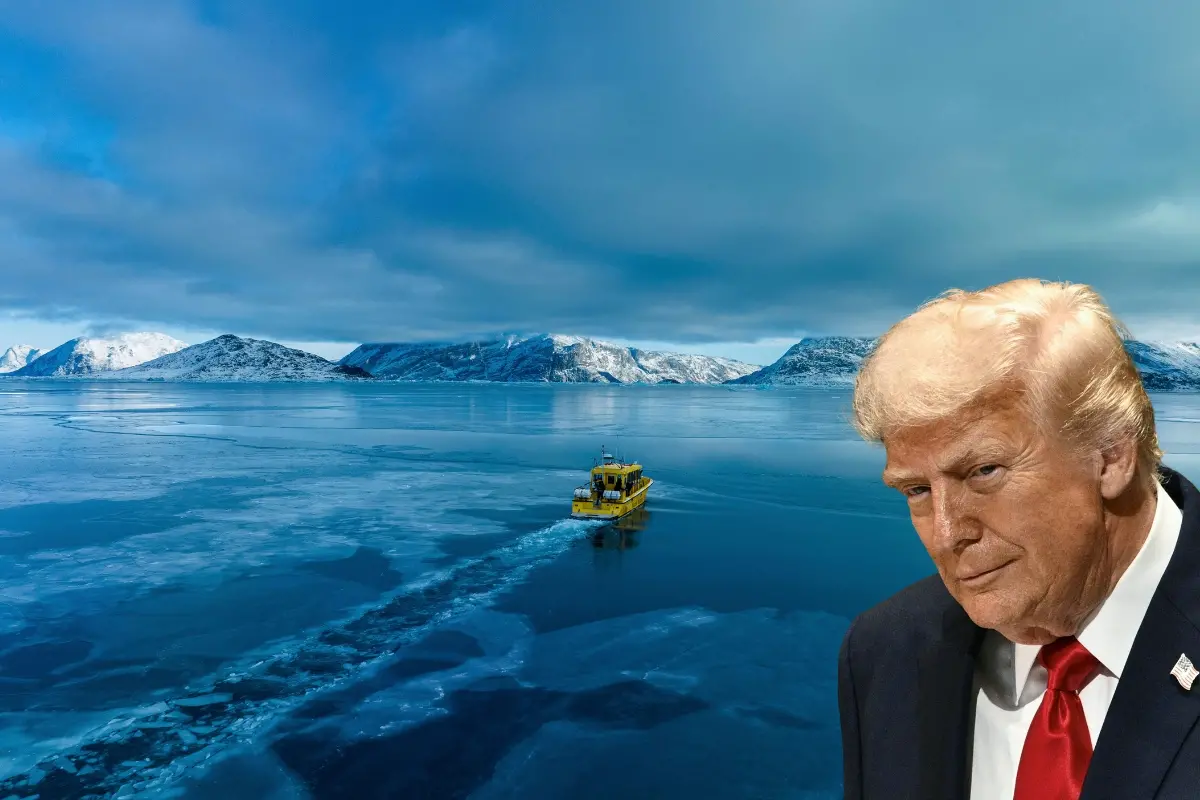
Washington: US President Donald Trump has ordered special forces commanders to draw up a plan for the invasion of Greenland, The Daily Mail reported, a move reportedly resisted by senior US military officials who say such an action would be illegal and lack support from Congress.
According to the report, Trump’s political “hawks,” led by adviser Stephen Miller, have been emboldened by the success of the operation to capture Venezuela’s leader Nicolás Maduro and want to move quickly to seize Greenland before rival powers such as Russia or China make a strategic move. Details of the purported plan emerged amid heightened geopolitical focus on the Arctic island’s strategic position.
Also read: Explained: What the US, Denmark, and Greenland tensions are really about
Trump has repeatedly said the United States needs Greenland for national security reasons, particularly due to the growing presence of Russia and China in the Arctic region, where melting ice is opening new shipping lanes and exposing mineral wealth. The Daily Mail report said he tasked the Joint Special Operations Command (JSOC) with preparing an invasion blueprint, but that the proposal has drawn pushback from the Joint Chiefs of Staff, who argue it would be unlawful and unlikely to win congressional backing.
The president has voiced his position on Greenland publicly. Speaking to reporters aboard Air Force One, Trump said the island was critical for US security because of increased foreign naval activity there. He said: "We need Greenland. ... It's so strategic right now. Greenland is covered with Russian and Chinese ships all over the place," adding: "We need Greenland from the standpoint of national security, and Denmark is not going to be able to do it."
Also read: US ‘Doomsday Plane’ makes rare appearance in 51 years: What it means amid global tensions | VIDEO
Greenland, the world’s largest island with a population of around 57,000, does not have its own military; defence is provided by Denmark, which has governed the territory for more than three centuries. A 1951 agreement between the United States and Denmark allows Washington broad military access, including rights to construct and operate bases, house personnel and control movements of ships and aircraft, rights the US already uses at its remote Pituffik Space Base.
Under this framework, the United States currently maintains a strategic presence in Greenland, but full sovereignty would represent a dramatic shift in international relations. Greenlanders are opposed to the idea of a US takeover.
The push for control of Greenland has triggered diplomatic pushback. Denmark has warned that any attempt to use force to seize the island could damage NATO cooperation, and Greenland’s parliament has moved to expedite meetings to shape its response to mounting foreign pressure.
Analysts note that Greenland’s strategic importance stems from its Arctic location, offering the shortest route from North America to Europe, hosting critical radar and early-warning infrastructure, and sitting atop vast deposits of rare earth minerals essential for modern technology and defence, making it a potential focal point in US–China–Russia competition.