Explained: What the US, Denmark, and Greenland tensions are really about
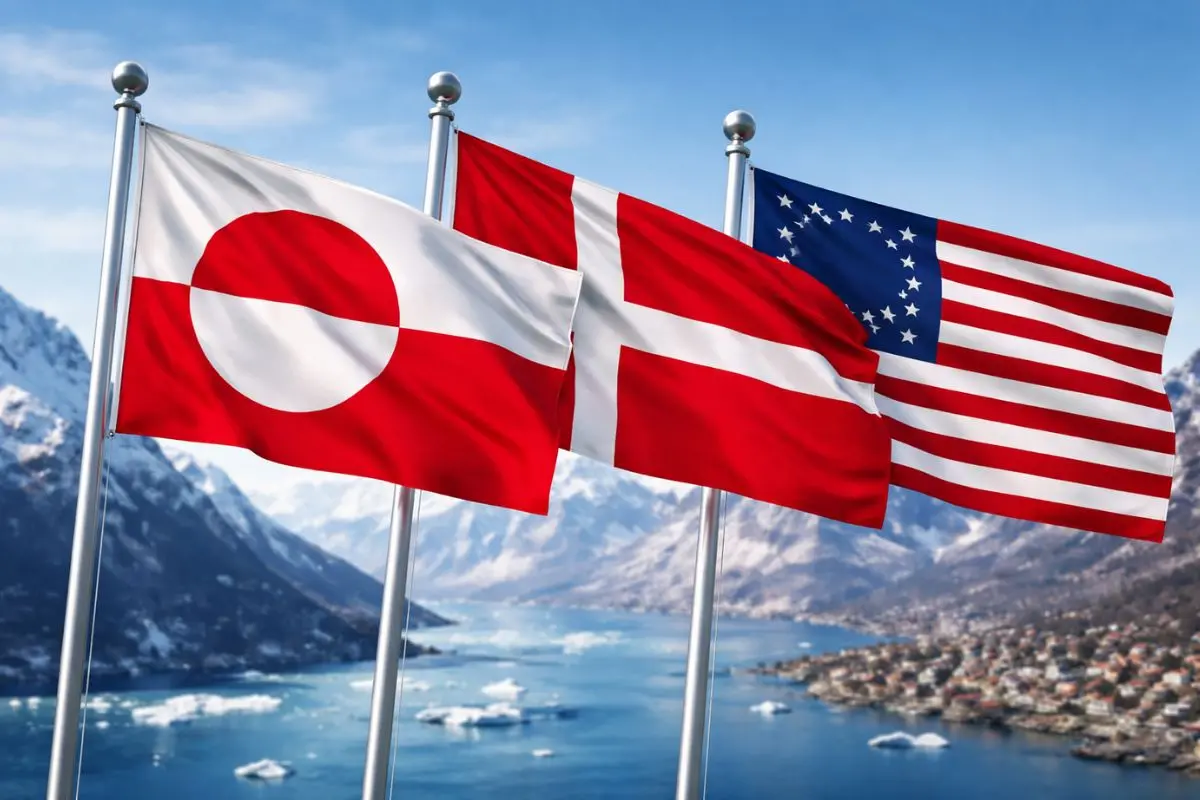
Greenland has once again emerged as a geopolitical flashpoint after renewed remarks from US President Donald Trump suggesting that the United States could take steps to assert control over the vast Arctic island, even without the consent of those involved.
The comments have triggered sharp reactions from Denmark, reignited debates within Greenland, and raised concerns among NATO allies.
- First, the US strategic interest:
Greenland’s location in the Arctic gives it enormous military and strategic value. The US already operates the Pituffik Space Base (formerly Thule Air Base), a critical site for missile warning and space surveillance.
Washington argues that increasing Russian and Chinese activity in the Arctic makes Greenland central to American and Western security planning. Trump’s remarks reflect long-standing US concerns that rivals could gain influence in the region if the US does not act decisively.
- Second, Denmark’s firm rejection:
Denmark has repeatedly stated that Greenland is not for sale and that any suggestion of force is unacceptable. Danish Prime Minister Mette Frederiksen has warned that a military move against Greenland would undermine the foundations of the NATO alliance, since both countries are members. Danish officials have stressed that sovereignty and international law are non-negotiable, even while maintaining close defence cooperation with the US.
- Third, Greenland’s own position:
Greenland is a self-governing territory with its own parliament and government, though Denmark controls defence and foreign policy. Greenlandic leaders have strongly rejected external pressure and threats, insisting that decisions about the island’s future belong to its people alone. At the same time, the episode has revived internal discussions about greater autonomy and eventual independence from Denmark.
- Fourth, wider NATO and global concerns:
The dispute has alarmed NATO allies, who fear that escalating rhetoric between two member states could weaken alliance unity at a time of heightened global tensions. European leaders have ruled out supporting any US military action and instead called for stronger, cooperative NATO engagement in the Arctic.
Together, these factors show that the Greenland issue is not just about territory, but about security, sovereignty, and the future balance of power in the Arctic.