Trump's executive order mandates transgender women be housed in men's prisons
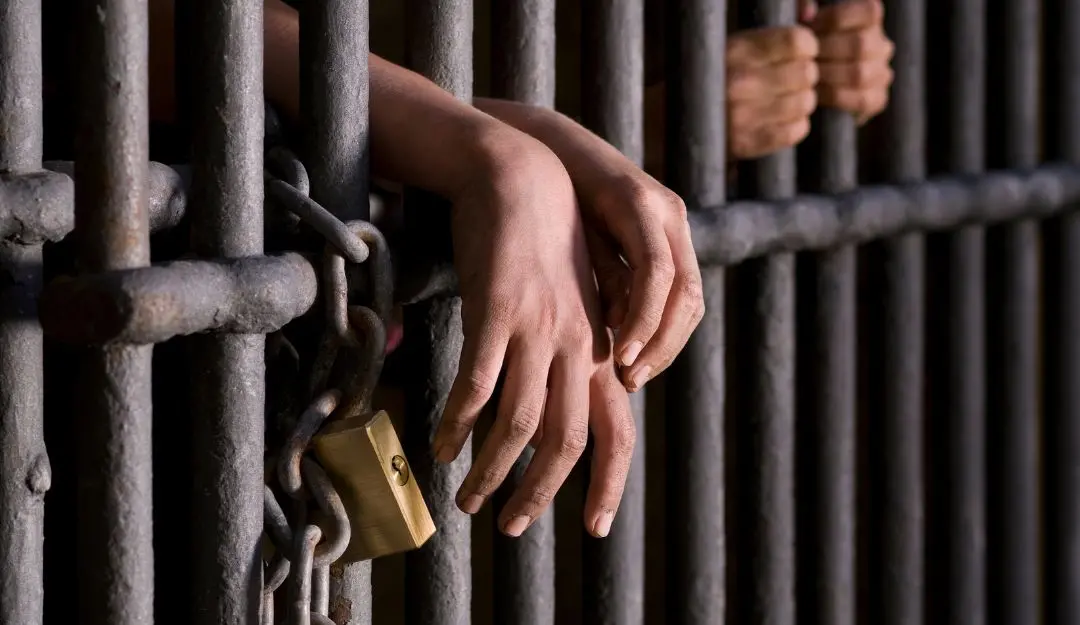
President Donald Trump has signed an executive order that mandates transgender women in federal prisons to be housed in men’s facilities and halts gender transition-related medical treatments. The order, issued on Trump’s first day in office, seeks to limit government recognition of an individual’s gender to their sex at birth, impacting both prisoners and immigration detainees.
The Women’s Liberation Front, which advocates for single-sex prisons based on birth sex, praised the order as a victory. They argue that housing transgender women according to their gender identity violates the rights of non-transgender female inmates, especially their Eighth Amendment rights to protection from cruel and unusual punishment. Trump’s order aligns with these views, claiming that efforts to erase the biological reality of sex harm women by compromising their safety and dignity.
However, advocates for transgender rights criticized the policy, warning it would endanger transgender individuals in detention. Legal experts predict that the order could face significant legal challenges. Federal courts have ruled that prison systems must protect vulnerable prisoners and offer necessary medical care, including hormone therapies for those with gender dysphoria. A federal district judge in Illinois previously ruled that denying a transgender inmate gender-transition surgery violated their constitutional rights.
The executive order applies specifically to transgender women, with the population of transgender prisoners in federal facilities being relatively small—around 1,500 transgender women in federal prisons. However, they represent 15 percent of women incarcerated, which is disproportionately high. The order is expected to impact their housing and healthcare, determining their treatment based solely on biological sex.
Studies have shown that transgender prisoners are more likely to face violence and sexual victimization, with federal data indicating they are ten times more likely to be sexually assaulted than other inmates. The order also revises housing assignment protocols under the Prison Rape Elimination Act, which considers transgender status as a risk factor. The Obama administration had previously issued guidelines allowing transgender prisoners to be housed according to their gender identity, but Trump’s first term revisited the issue by requiring housing based on biological sex.
The new order also prohibits any federal funds for gender-transition medical procedures or treatments, including those aimed at aligning an inmate’s appearance with the opposite sex. Surveys indicate that transgender prisoners often face substandard medical care and are more likely to be placed in solitary confinement, supposedly for their protection.
The executive order has sparked a heated debate over transgender rights in the criminal justice system, with some conservatives welcoming the move as a way to protect women’s spaces, while critics view it as a step backward for transgender rights and equality.