Did Trump and Netanyahu disagree on Iran strikes? Tense phone call raises questions
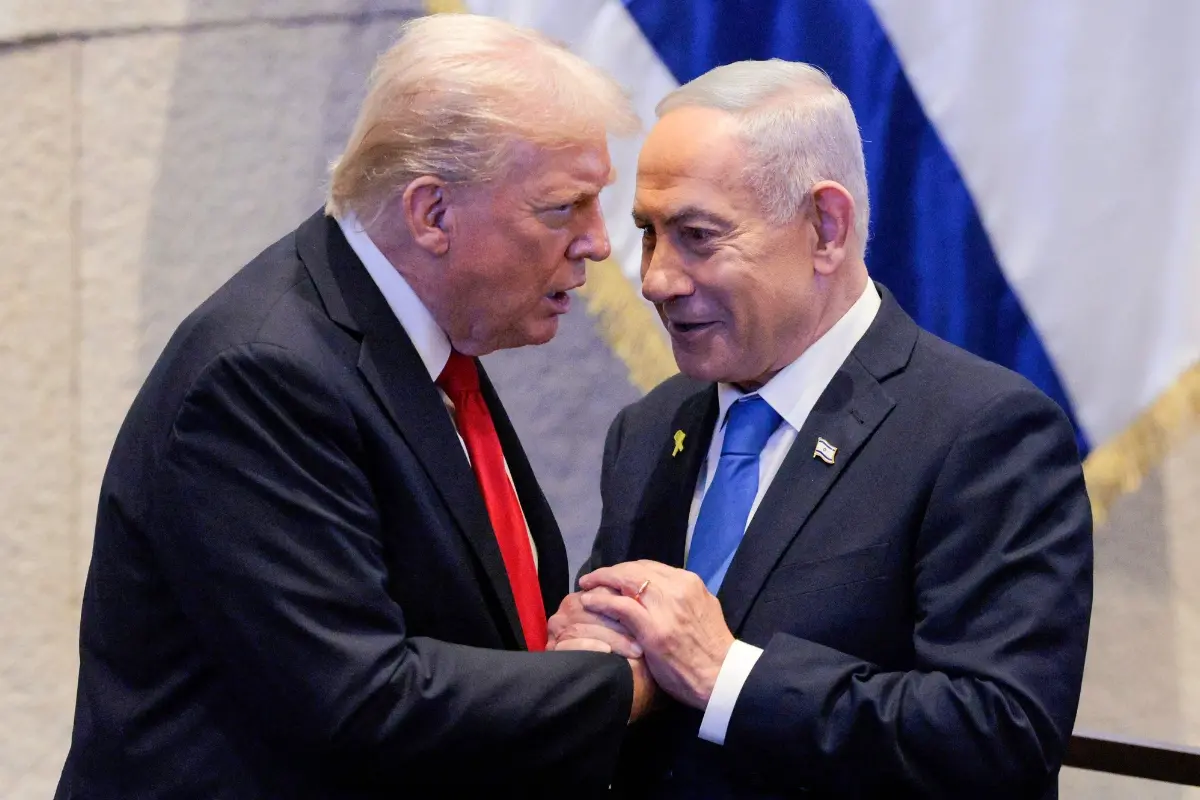
Washington: A tense phone conversation between Donald Trump and Benjamin Netanyahu on Wednesday exposed growing differences between Washington and Tel Aviv over whether diplomacy with Iran should continue or military action should resume, according to US media reports.
The hour-long call reportedly focused on ongoing efforts to secure a fresh agreement with Iran amid fears of renewed conflict in the Middle East.
According to Axios, Trump and Netanyahu discussed a revised peace proposal drafted by Qatar and Pakistan, with backing from regional mediators, aimed at narrowing differences between Washington and Tehran. One source quoted in the report described Netanyahu’s reaction after the conversation by saying his “hair was on fire”.
While Trump has continued to publicly push for diplomacy, Netanyahu reportedly argued that Iran was using negotiations to delay pressure and insisted that military operations should continue.
“We’ll either have a deal or we’re going to do some things that are a little bit nasty,” Trump said on Wednesday, while discussing the state of negotiations.
Later, the US President described the talks as being “right on the borderline” between a diplomatic breakthrough and renewed military escalation.
CNN reported that Netanyahu told Trump during the call that postponing planned strikes on Iran had been a mistake and argued in favour of continuing military operations to further damage Tehran’s military and strategic infrastructure.
Trump had earlier informed Netanyahu that the US was preparing targeted attacks against Iran under a proposed military operation called “Operation Sledgehammer”. However, the strikes were reportedly paused after requests from Gulf allies including Saudi Arabia, Qatar and the United Arab Emirates.
During Wednesday’s call, Trump reportedly told Netanyahu that mediators were working on a “letter of intent” that could be signed by both the US and Iran to formally end the war and launch a 30-day negotiation process focused on Iran’s nuclear programme and reopening the Strait of Hormuz.
The Strait of Hormuz remains one of the biggest sticking points in negotiations, with the waterway still largely disrupted despite the ceasefire. The route normally carries around a fifth of the world’s oil and liquefied natural gas supplies.
Iran’s Revolutionary Guards navy said it had allowed 26 vessels, including oil tankers, to pass through Hormuz in the past 24 hours after providing “coordination and security”.
Meanwhile, the United States has continued a counter-blockade targeting Iranian ports. US Central Command said Marines boarded an Iranian-flagged oil tanker in the Gulf of Oman on Wednesday over suspicions it was violating restrictions.
CENTCOM said the ship was later released after being searched and ordered to alter course. The command added that US forces had redirected 91 commercial vessels since the blockade began.
Concerns over prolonged disruption in Hormuz have triggered fears of wider economic fallout, with analysts warning of rising energy and food prices if the crisis continues.
The Food and Agriculture Organisation warned on Wednesday that continued disruption could cause “a severe global food price crisis” and a “systemic agrifood shock”, as the route also carries nearly a third of global fertiliser shipments.
Iran confirmed on Wednesday that it was reviewing a fresh US proposal aimed at ending the conflict.
Speaking near Washington at Joint Base Andrews, Trump said negotiations were in their “final stages” but warned the opportunity for diplomacy could disappear quickly.
“It's right on the borderline, believe me,” Trump told reporters. “If we don't get the right answers, it goes very quickly. We're all ready to go.”
He added that a deal could come “very quickly” or “in a few days,” but stressed that Tehran would need to provide “100 per cent good answers.”
Iranian foreign ministry spokesman Esmaeil Baqaei said Tehran had “received the points of view of the American side” and was studying the proposal, while reiterating demands for the release of frozen Iranian assets and an end to the US blockade of Iranian ports.
Earlier, Iran’s chief negotiator Mohammad Bagher Ghalibaf accused Washington of trying to restart the war after Trump threatened further strikes if no agreement was reached.
“The enemy's movements, both overt and clandestine, show that despite economic and political pressure, it has not abandoned its military objectives and is seeking to start a new war,” Ghalibaf said.
He also warned of a “forceful response”, while Iran’s Revolutionary Guards declared that if “aggression against Iran is repeated”, any future war would spread beyond the Middle East and “our devastating blows will crush you.”
Although an April 8 ceasefire ended direct fighting between Iran, the United States and Israel, tensions have remained high with both sides continuing to exchange warnings.
At the same time, Pakistan-mediated diplomatic contacts have continued behind the scenes in an effort to secure a formal end to the conflict. Iran’s official IRNA news agency reported that Pakistan’s interior minister arrived in Tehran for his second visit in less than a week.
Financial markets reacted cautiously to signs of possible diplomacy. Oil prices dropped more than five per cent on Wednesday while US stocks climbed after Trump suggested a deal could be close, though investors remained wary following repeated setbacks in negotiations.
Saudi Foreign Minister Faisal bin Farhan Al Saud praised Trump for deciding to “give diplomacy a chance” and urged Iran to seize “the opportunity to avoid the dangerous implications of escalation.”
Meanwhile, Israeli military chief Eyal Zamir said the country’s armed forces remained on maximum alert and were “prepared for any development”.