'Totally unacceptable': Trump blames Iran for attack on Indian ships as Netanyahu warns Tehran
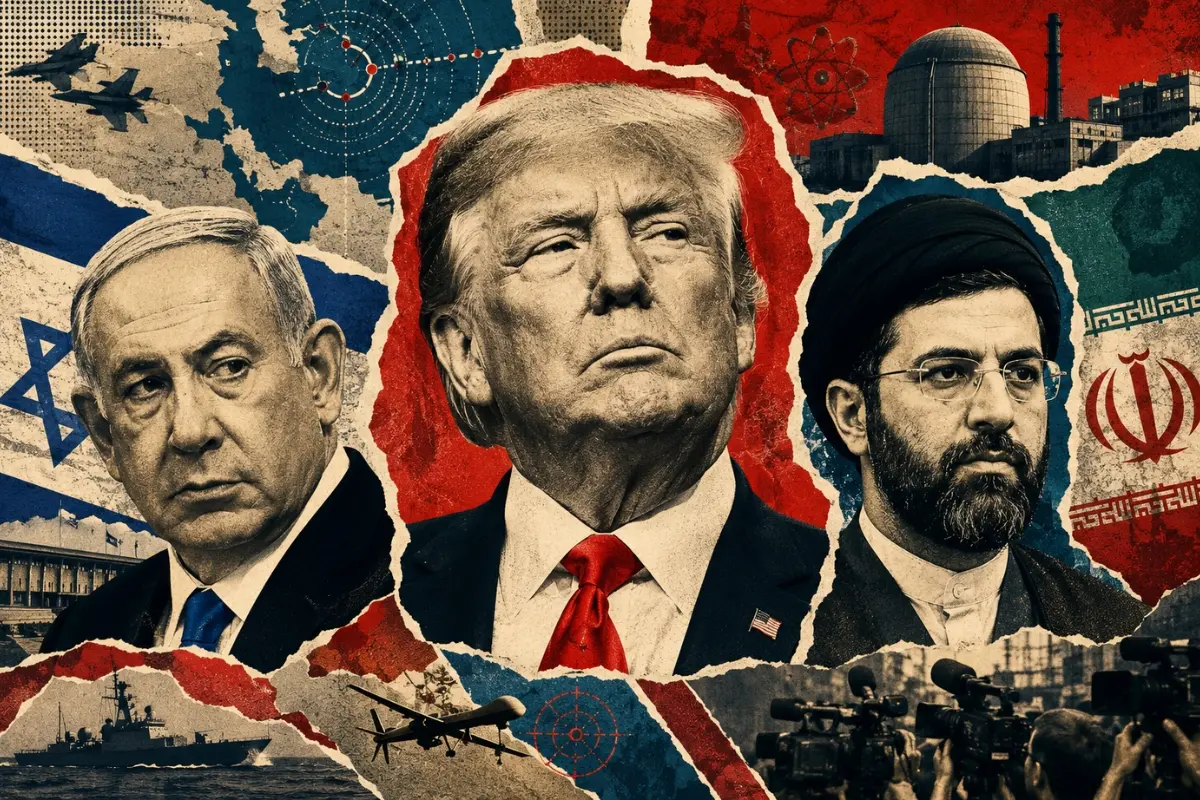
Washington DC: US President Donald Trump sharply criticised Iran on Thursday, accusing Tehran of acting in bad faith during ongoing diplomatic efforts and alleging that Iranian forces attempted a drone attack on Indian ships near the strategically important Strait of Hormuz.
The remarks came amid heightened tensions between Washington and Tehran following recent military confrontations and negotiations aimed at reducing hostilities in the Gulf region.
Trump rejects Iran's version of peace deal talks
In a post on Truth Social, Trump claimed that details of a proposed agreement leaked by Iran did not match the terms that had allegedly been agreed upon during negotiations.
According to Trump, Tehran's public statements about the deal bore little resemblance to the written terms discussed between the two sides.
He accused Iranian officials of spreading what he described as "fake news" and questioned their willingness to negotiate honestly.
Trump said Iran's statements were "dishonourable" and argued that the country could not be trusted to engage in good-faith diplomacy.
Allegations of drone attack on Indian vessels
Trump also alleged that Iranian forces launched a drone attack targeting Indian ships leaving the Strait of Hormuz.
Describing the incident as "totally unacceptable", the US President warned that Iran needed to change its behaviour immediately.
His comments came after reports that three vessels carrying Indian crew members were caught in recent hostilities near the crucial maritime route. The Strait of Hormuz remains one of the world's most important oil shipping corridors, making any security incident in the region a matter of global concern.
The Iranian government had not immediately responded to Trump's latest allegations.
Strait of Hormuz remains a flashpoint
The Strait of Hormuz continues to be a major geopolitical hotspot as tensions between the United States and Iran affect global shipping, energy markets and regional security.
Any attacks or military activity near the waterway can have far-reaching consequences because a significant portion of the world's oil and gas supplies pass through the narrow corridor.
The latest accusations are likely to increase concerns among international shipping operators and governments monitoring developments in the Gulf.
Netanyahu backs hard line on Iran
Trump's remarks coincided with a strong statement from Israeli Prime Minister Benjamin Netanyahu, who reiterated his longstanding opposition to Iran's nuclear ambitions.
In a post on X, Netanyahu said there was "full agreement" between him and Trump on preventing Iran from obtaining nuclear weapons.
The Israeli leader argued that international efforts over the past three decades had helped prevent Tehran from developing atomic weapons and vowed to continue opposing Iran's nuclear programme.
Netanyahu said Iran remained committed to threatening Israel's existence and pledged that his government would continue working to prevent Tehran from acquiring nuclear capabilities.
Regional tensions remain high
The latest exchange of accusations highlights the fragile state of diplomacy in the Middle East despite ongoing discussions aimed at reducing conflict.
With disagreements over a potential peace agreement, allegations of attacks on commercial vessels and continued concerns over Iran's nuclear programme, tensions between the United States, Iran and Israel remain elevated.
As diplomatic and military developments continue to unfold, global attention remains focused on the Gulf region and the potential impact on international security, trade and energy supplies.