Contradictory much? Trump says US shouldn't have been in Iran, then defends strikes
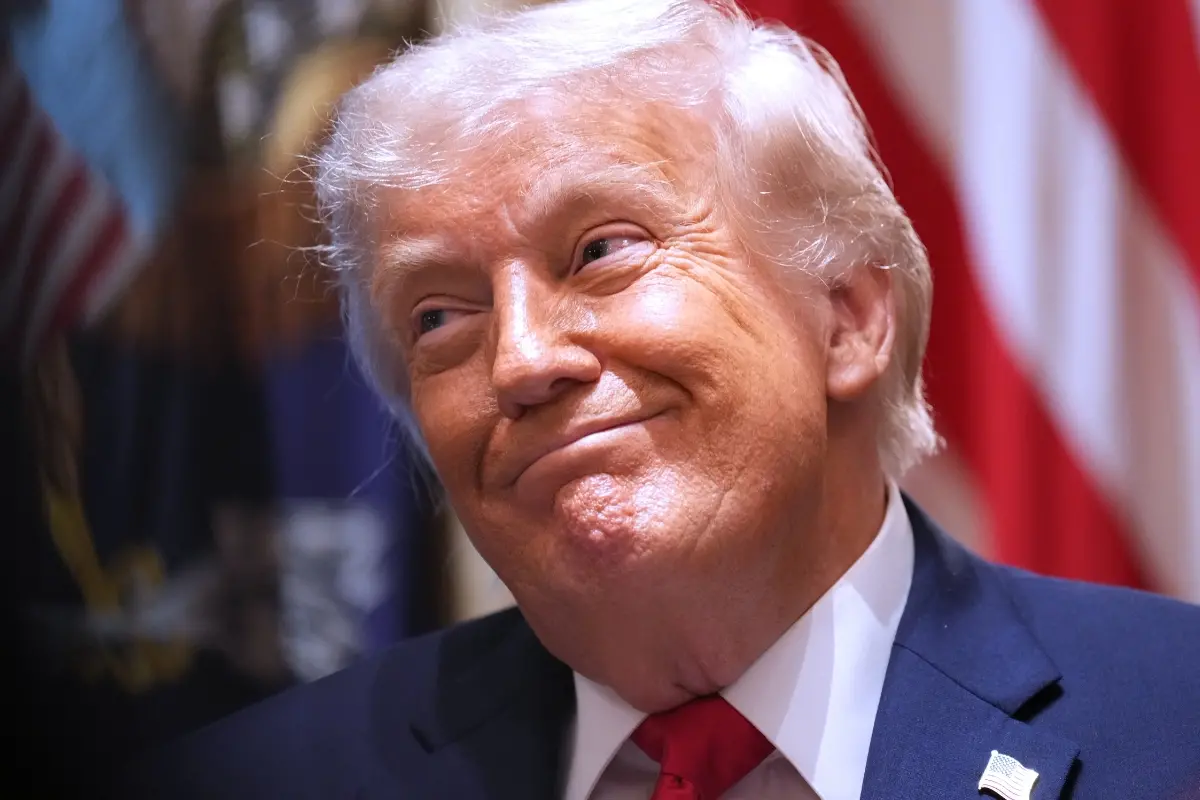
Washinton DC: US President Donald Trump has once again sparked debate over Washington's approach to Iran after stating that the United States "shouldn't have been in Iran" while defending military operations against Tehran as necessary for regional security.
Speaking in an interview with Fox News, Trump criticised past American interventions in the Middle East but maintained that military action against Iran was justified to prevent the country from developing nuclear weapons.
Trump compares Iran conflict to Iraq war
During the interview, Trump revisited the US invasion of Iraq, describing it as a major strategic error that dragged America into a conflict it should never have entered.
He argued that the Iraq experience demonstrated the dangers of prolonged military involvement in the region. However, while extending that criticism to Iran, Trump insisted that the circumstances surrounding Tehran were different.
According to the president, Iran's alleged nuclear ambitions forced the United States to act despite his broader reservations about foreign interventions.
Trump defends strikes on Iran
Trump claimed that US military action carried out nine months ago prevented Iran from obtaining a nuclear weapon and significantly altered the regional security landscape.
"If we didn't hit them with B2 bombers nine months ago, they would have a nuclear weapon right now," Trump said during the interview.
He argued that failing to intervene would have created a far more dangerous situation for both Israel and the wider Middle East.
'We left their military alone'
The US president also sought to portray the campaign as a limited operation rather than a full-scale war.
Trump said Washington intentionally avoided targeting large sections of Iran's conventional military and instead focused on elements of the country's leadership structure.
According to him, previous conflicts have shown that completely dismantling a nation's institutions can leave countries struggling to recover for decades.
He suggested that preserving parts of Iran's military structure was a deliberate effort to avoid repeating mistakes made in earlier wars.
Questions remain over Iran's military strength
Trump's remarks come as intelligence assessments continue to generate debate over the true impact of Operation Epic Fury.
While the administration has described the campaign as a major success that significantly weakened Iran's capabilities, some reports suggest Tehran retains a substantial portion of its missile arsenal and operational infrastructure.
The differing assessments have fuelled ongoing discussions about Iran's ability to influence regional security and challenge US interests in the future.
Strait of Hormuz remains a key concern
The conflict continues to carry major implications for global energy markets due to the strategic importance of the Strait of Hormuz.
The narrow waterway handles a significant share of the world's oil shipments, and any escalation involving Iranian missile sites near the region could affect international shipping and energy supplies.
As diplomatic efforts continue alongside military tensions, the future of the Strait of Hormuz remains one of the most closely watched aspects of the broader Iran crisis.