Trump announces 50% tariff penalty on nations arming Iran, links trade directly to war tensions
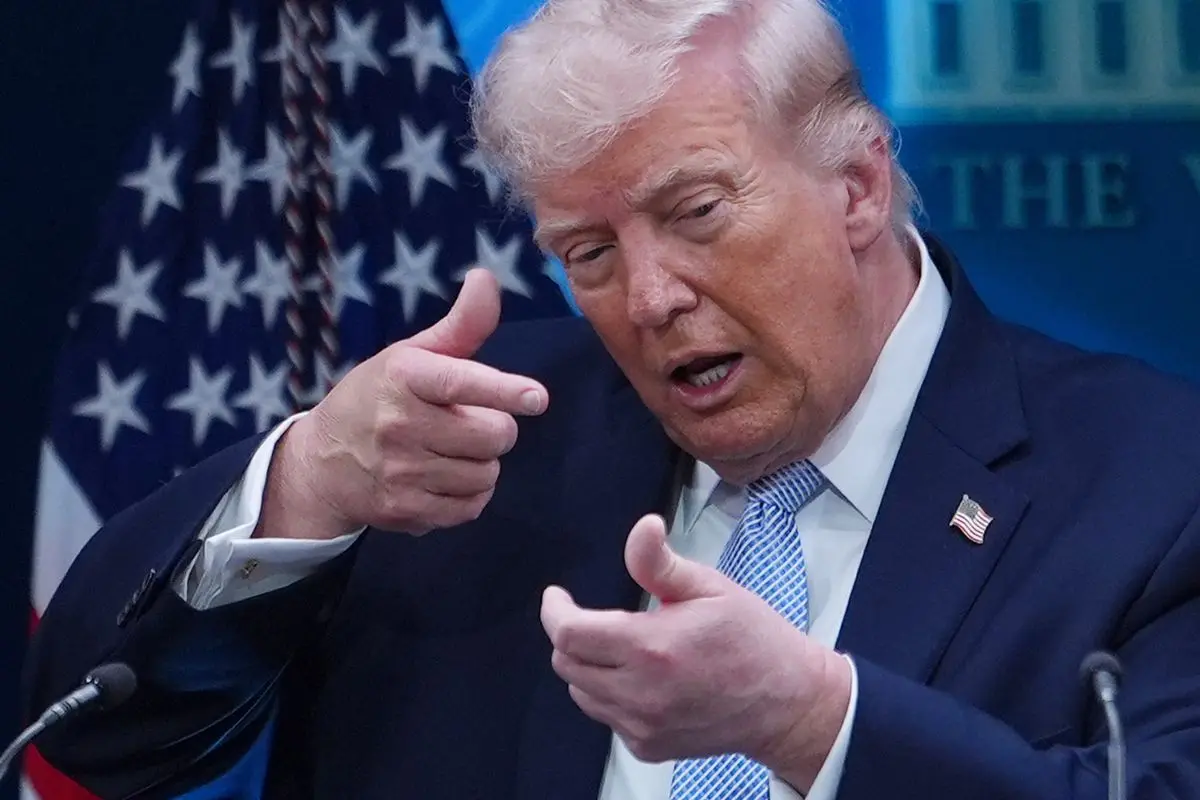
In a major escalation with global implications, United States President Donald Trump has issued one of his strongest economic warnings yet amid the ongoing US-Israel-Iran tensions, declaring that any country supplying military weapons to Iran will face a sweeping 50% tariff on goods exported to the United States.
The announcement, made via Trump’s social media platform Truth Social, directly links military cooperation with Iran to severe trade penalties, signalling a hardline shift in Washington’s strategy.
Trump stated, “A Country supplying Military Weapons to Iran will be immediately tariffed, on any goods sold to the United States of America, 50%, effective immediately. There will be no exclusions or exemptions! President DJT.”
The statement underscores an aggressive policy direction where economic leverage is being used as a deterrent against countries maintaining defence ties with Tehran.
While the administration has not yet outlined implementation details, the warning alone has sent ripples across diplomatic and trade circles.
The timing of the announcement is particularly critical. It comes amid a fragile ceasefire phase and ongoing diplomatic efforts to stabilise West Asia after recent escalations.
By introducing economic consequences at this juncture, the US appears to be widening the pressure campaign beyond military deterrence.
Analysts believe the move could significantly impact global alliances. Countries with defence relationships with Iran may now be forced to reassess their strategic positions to avoid economic fallout, especially those heavily reliant on exports to the United States.
Economists warn that a 50% tariff, if enforced, could disrupt global trade flows, trigger retaliatory measures, and increase costs across supply chains.
The potential for a broader trade conflict looms large, with markets already reacting cautiously to the development.
As the situation continues to evolve, global leaders, investors, and policymakers are closely watching whether this warning translates into concrete policy or becomes a bargaining tool in ongoing negotiations.