The hidden fight: Afghan girls’ secret schools against Taliban rule
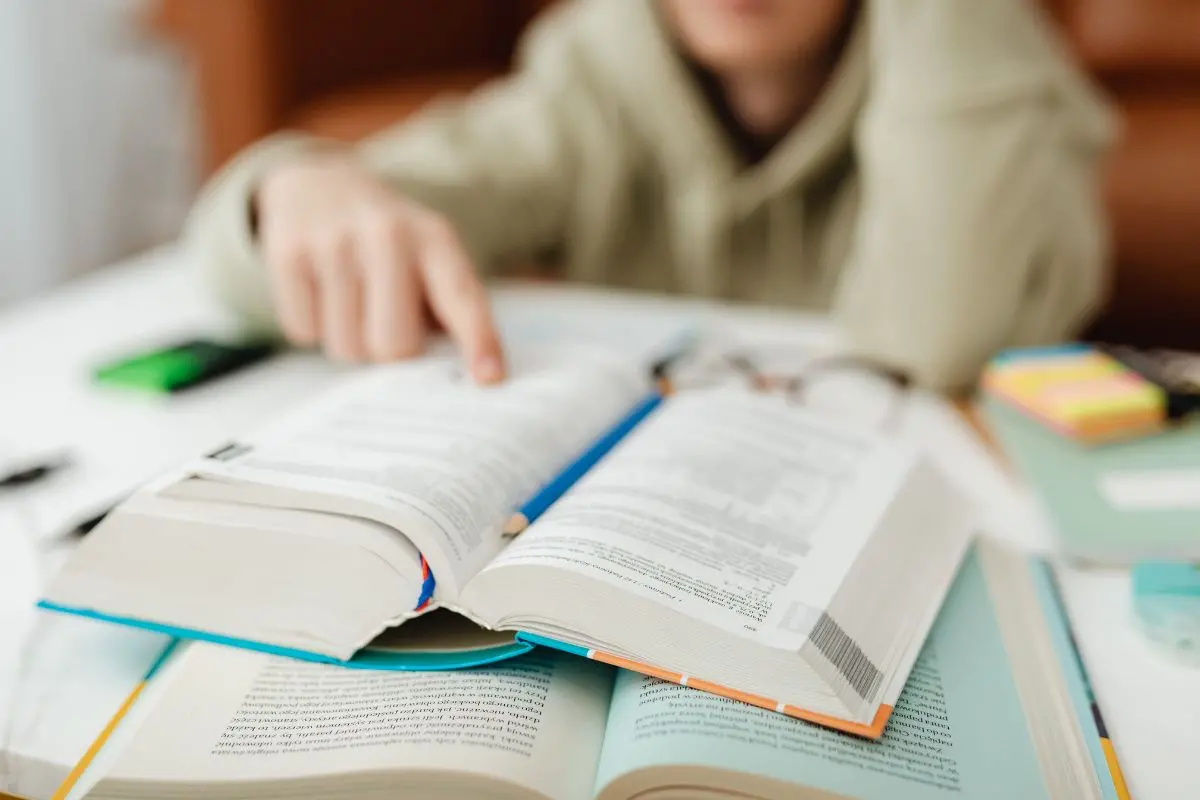
In Afghanistan, the Taliban’s ban on girls’ education has shattered dreams, halted careers, and trapped millions of young women under severe restrictions, reversing decades of progress in learning and freedom. However, the Taliban claim there is no complete ban and point to opportunities. They report issuing license to around 100 women’s training centres, offering vocational lessons in tailoring, embroidery, and crafts. The author visits one such centre in Kabul.
In the inner lanes of Kabul, a small building stands, reachable via a mud road. It sits amid dust and rubbish. At the doorway, shoes of various colours lie scattered. At the entrance itself, the smell of urine hits. Water in the city is available only at certain times, making hygiene a luxury here.
Inside a small room, young girls sit on the floor, gathered around a teacher. In front of them, a newspaper is spread as the teacher demonstrates how to cut a pair of pyjamas. They watch carefully. Some have small children with them, balancing the child with one hand while cutting along marked lines on paper with the other.
In the next room, girls are stitching embroidery patterns. Others on four-needle sewing machines in one corner are sewing items. It seems they are sewing their dreams.
Dreams of the lost people
Salma, who had to stop her studies after Class 9, still carries a glimmer of hope on her face. “I always wanted to be a lawyer,” she said. Her childhood dream was to stand for justice in society and speak up for others. Though her education was interrupted, the dream remains alive in her mind.
Similarly, Muskan had a clear vision for her future: to become a dentist and start her own clinic. However, the Taliban closed her school before she could complete Class 11. “Now I am learning tailoring,” she said. “At least if I learn a new skill, I hope I can get a job instead of doing nothing.”
Many families hesitate to send girls to such centres, Silsila, who runs one, told me. Another issue is the Taliban requirement for a mahram, or male guardian. “We close doors in front of the girls. But women are trying to open new doors,” Silsila said. “I’m trying to hold their hands,” she added.
From another small room, English words can be heard. Fifteen students are learning “conversational English.”
“What do you want to become?”
A girl shyly replies, “I want to be a doctor.”
Another is asked, “What is your hobby?”
“Playing football.”
Two girls at the front repeat English sentences. It seemed like the voice of a generation that has lost playgrounds and freedom. Their grammar may falter, but their dreams remain on track.
In many such centres, older women attend in large numbers. They find a safe space to escape strict household controls, talk and laugh with other girls, and feel human again.
Some girls who stopped schooling continue learning online. But laptops and the internet are luxuries in Afghanistan. In some provinces, the Taliban has banned the internet. During the visit, all telecommunications were cut for two full days, severing Afghan women’s only link to the outside world.
One girl said, “I travel three hours daily to reach Kabul and log in to my online class.” Her brother accompanies her for safety.
Every day, the Taliban tightens laws against women. Recently, even books written by women have been banned. Yet, women remain determined not to surrender.
Secret schools
The most touching sight was the secret schools. Just consider the plight of girls risking their lives to study science, maths, and other subjects at these hidden schools.
The author visited one such school in extreme secrecy, hiding from Taliban eyes. From the outside, it looked like a tailoring unit with fabrics and sewing machines. Inside, a shelf hid books on maths, science, and languages.
In the mornings, girls learn sewing, then move inside for two-hour classes.
“This is very dangerous, but when girls cry, we cannot leave them without teaching,” a teacher told me. She specifically asked not to take photographs. Getting caught could endanger her life, theirs, and the author’s.
Today, in Afghanistan, girls’ dreams remain trapped behind locked classroom doors. It is the responsibility of the global community and human rights organisations to make their voices heard. Afghan girls deserve a future where they can study and breathe freely. Until then, they will continue stitching their dreams.
(Ends)
The first article explored how their career dreams were lost.