Iran officially declares Strait of Hormuz is 'completely open’
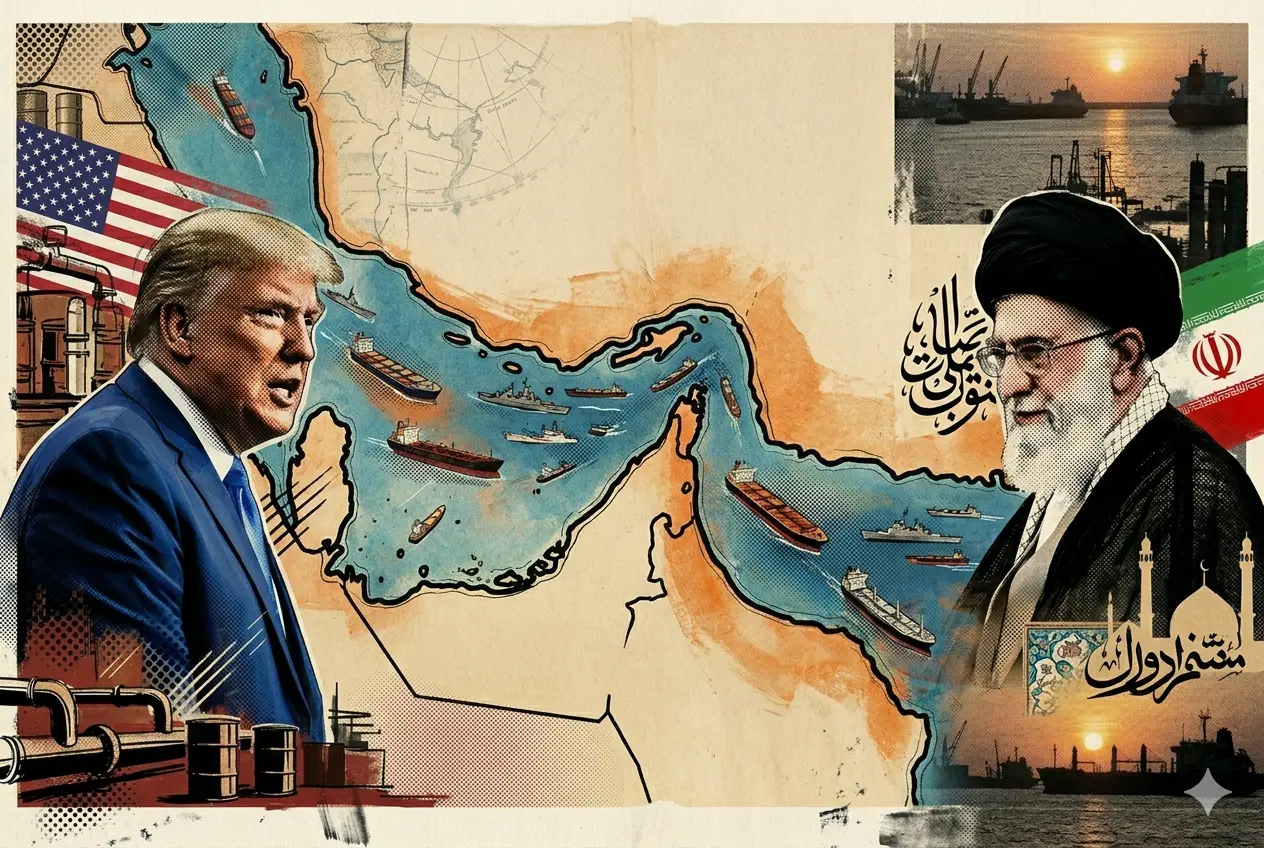
Beirut: United States President Donald Trump and Iranian Foreign Minister Abbas Araghchi said on Friday that the Strait of Hormuz is now fully open to commercial shipping, as a 10-day ceasefire in Lebanon appeared to be holding.
The temporary halt in hostilities has paused fighting between Israel and the Hezbollah militant group. It may also remove a key barrier to a broader agreement involving Iran, the United States and Israel aimed at ending weeks of intense conflict.
However, uncertainty remains over whether Hezbollah will accept an agreement that it did not help negotiate, particularly as Israeli forces continue to occupy parts of southern Lebanon.
In a social media statement, Trump said Iran had confirmed that the strait “is fully open and ready for full passage”. Shortly before that, Araghchi posted on X that the route for all commercial vessels through the strait “is declared completely open” in line with the Lebanon ceasefire, adding that it would remain open for the duration of the truce.
It is not yet clear how this development affects the existing United States blockade of the strait.
Celebrations in Beirut despite uncertainty
In Beirut, gunfire echoed across the city just after midnight as residents fired into the air to mark the start of the ceasefire. Displaced families began returning towards southern Lebanon and the southern suburbs of Beirut, despite official warnings advising them to wait until the stability of the ceasefire becomes clearer.
A spokesperson for United Nations peacekeeping forces in southern Lebanon said no airstrikes had been observed since midnight. However, they accused the Israeli military of violating airspace and carrying out artillery shelling in southern Lebanon. The Israeli military did not immediately respond to these claims.
Under the terms of the agreement shared by the US State Department, Israel retains the right to act in self-defence against imminent threats but is not permitted to conduct offensive operations in southern Lebanon.
Trump signals confidence in broader peace efforts
Trump described the agreement as a “historic day for Lebanon” and suggested that the wider conflict involving Iran could soon come to an end. Speaking in Las Vegas, he said, “I will say the war in Iran is going along swimmingly. It should be ending pretty soon.”
Ending Israel’s conflict with Hezbollah has been a major demand from Iranian negotiators, who had earlier accused Israel of violating ceasefire terms with strikes on Lebanon. Israel maintained that earlier agreements did not apply to Lebanon.
Casualties mount across the region
The conflict has resulted in significant loss of life. At least 3,000 people have been killed in Iran, more than 2,100 in Lebanon, 23 in Israel and over a dozen in Gulf Arab states. Thirteen United States service members have also died.
Israel maintains military position in southern Lebanon
Israel’s Defence Minister Israel Katz said on Friday that Israel intends to respect the ceasefire, although efforts to fully disarm Hezbollah in southern Lebanon are “not yet complete”. He stated that Israeli forces would remain in all current positions, including a buffer zone extending 10 kilometres into southern Lebanon.
Katz added that many homes in the area would be destroyed and that Lebanese residents would not be allowed to return.
Earlier, Israeli Prime Minister Benjamin Netanyahu said he had agreed to the ceasefire to advance peace efforts with Lebanon, but made it clear that Israeli troops would not withdraw. Israeli forces have been engaged in heavy fighting with Hezbollah near the border as part of efforts to establish what officials describe as a “security zone”.
“That is where we are, and we are not leaving,” he said.
Hezbollah response and ceasefire terms
Hezbollah has maintained that Lebanese citizens have “the right to resist” Israeli occupation and said its actions would depend on how the situation develops.
The US State Department stated that Israel retains the right to defend itself “at any time, against planned, imminent or ongoing attacks”. However, it also confirmed that Israel is not allowed to conduct offensive military operations against Lebanese civilian or state targets.
Trump described the agreement as a ceasefire between Israel and Lebanon. However, a Hezbollah official, speaking anonymously, said the deal resulted from negotiations between the United States and Iran.
Diplomatic efforts behind the agreement
The ceasefire followed a meeting between Israeli and Lebanese ambassadors in Washington, along with a series of phone calls involving Trump and US Secretary of State Marco Rubio, according to a White House official.
These discussions marked the first direct diplomatic engagement between Israel and Lebanon in decades. Hezbollah had opposed such direct talks.
Trump spoke with Netanyahu on Wednesday evening, after which the Israeli leader agreed to the ceasefire under certain conditions. Rubio later contacted Lebanese President Joseph Aoun, who supported the agreement. Trump subsequently held separate calls with both Aoun and Netanyahu.
The State Department then worked with both sides to draft a memorandum of understanding outlining the ceasefire terms.
Ongoing negotiations
Pakistan’s army chief also met Iran’s parliament speaker as part of wider diplomatic efforts to extend the ceasefire, which has paused nearly seven weeks of conflict involving Israel, the United States and Iran.
Despite tensions caused by the US blockade on Iranian ports and renewed threats from Iran, officials in the region reported progress. Sources told The Associated Press that the United States and Iran had reached an “in-principle agreement” to extend the ceasefire to allow more time for negotiations.
Mediators are currently working to resolve three major issues: Iran’s nuclear programme, the status of the Strait of Hormuz and compensation for wartime damages.
Trump indicated that extending the ceasefire remains a possibility. “If we’re close to a deal, would I extend?” he said while speaking to reporters. “Yeah, I would do that.”
Agency inputs