Strait of Hormuz reopening? Trump says yes, US Navy says blockade remains
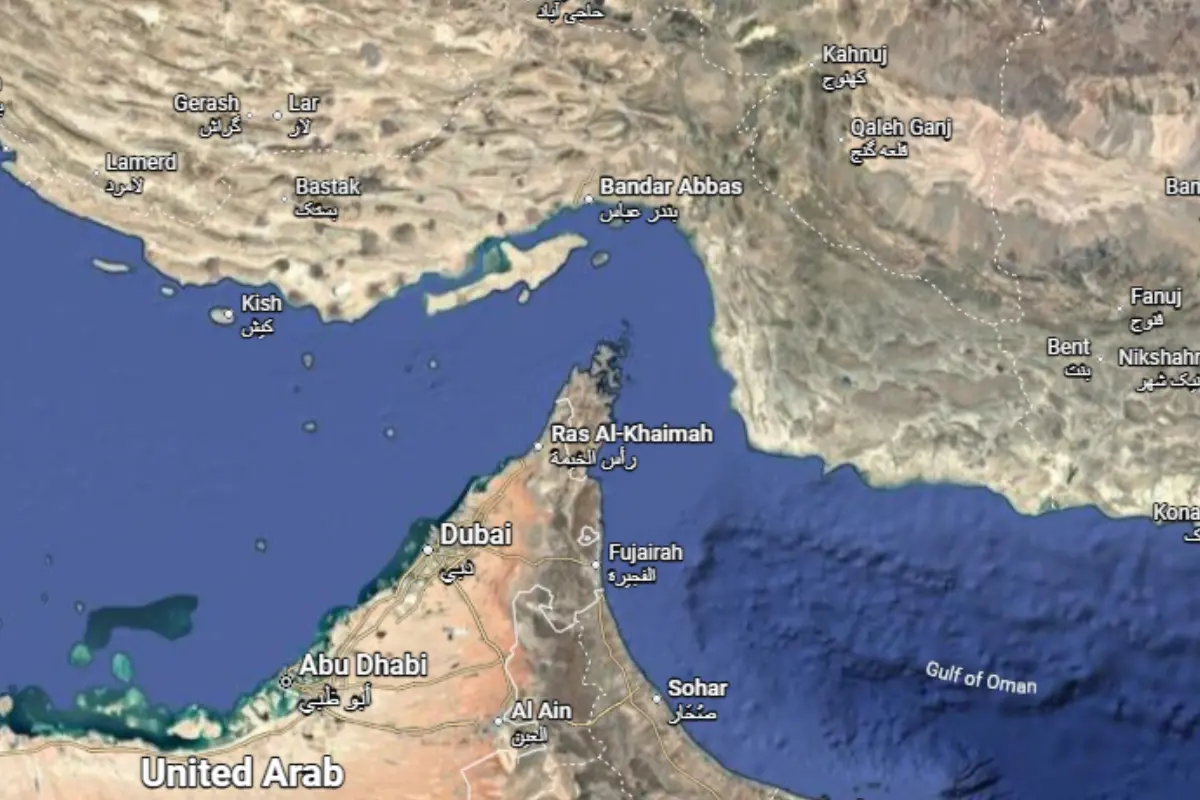
Washington DC: US President Donald Trump has declared that the Strait of Hormuz is beginning to reopen following a peace agreement with Iran, but the US Navy has issued a conflicting warning, saying the military blockade remains in force until the ceasefire agreement is formally implemented.
US President Donald Trump announced what he described as a major breakthrough in relations with Iran, claiming that an agreement had been reached to end hostilities and restore normal maritime traffic through the Strait of Hormuz.
Posting on Truth Social, Trump told global shipping operators to "start your engines" and encouraged the resumption of oil transport through one of the world's most strategically important waterways. He later stated that vessels carrying oil had already begun moving through parts of the strait and that shipping lanes were becoming operational again.
According to Trump, ships were travelling safely along designated routes and the situation was improving as preparations continued for the formal signing of the agreement between Washington and Tehran.
Why the Strait of Hormuz matters to the world
The Strait of Hormuz is one of the world's most critical maritime chokepoints.
A significant share of global oil and liquefied natural gas exports passes through the narrow waterway each day. Any disruption in the strait can affect international energy markets, shipping costs and global economic stability.
Because of its strategic importance, developments in the strait are closely monitored by governments, energy companies and financial markets worldwide.
US Navy issues starkly different warning
Despite Trump's optimistic assessment, the United States Naval Forces Central Command issued guidance indicating that the blockade remains active.
The command stated that restrictions on Iranian ports and surrounding waters continue to be enforced pending the formal implementation of a US-Iran ceasefire agreement expected later this week.
Merchant shipping operators were advised not to attempt crossings without explicit authorisation and guidance from military authorities.
The Navy said a restricted operating area remains in place across parts of the Arabian Gulf, Gulf of Oman, North Arabian Sea and the Strait of Hormuz.
Military warns of enforcement actions
US naval authorities also warned that vessels violating blockade measures could face enforcement action.
According to the military guidance, ships attempting to enter or leave restricted Iranian ports, or those assisting vessels in violation of blockade rules, could be boarded by naval forces.
The warning further stated that failure to comply with instructions could lead to escalating responses, including disabling actions against non-compliant vessels. Naval officials urged ship masters and crews to follow all directions immediately to avoid endangering personnel or vessels operating in the region.
Trump doubles down at G7 summit
While attending the G7 Summit 2026, Trump reiterated that the Strait of Hormuz was already "partially opened" and predicted that it would be fully operational by Friday.
Speaking alongside Emmanuel Macron, Trump said de-mining operations were continuing but insisted that commercial traffic had already started to move through the area.
He also suggested that a broader international naval effort would not be necessary because the agreement with Iran would ensure safe and toll-free passage through the strait.
Iran agreement expected to be signed this week
Trump described the agreement with Iran as a major diplomatic achievement and said its most important outcome was preventing Iran from acquiring a nuclear weapon.
He indicated that a formal memorandum of understanding would be signed on Friday and stated that Vice President JD Vance is expected to attend the signing ceremony.
The US president also expressed confidence that the agreement could usher in greater stability across the Middle East after months of conflict and uncertainty.
Uncertainty remains despite optimism
For now, conflicting messages from the White House and the US Navy have created uncertainty over the actual status of maritime traffic through the Strait of Hormuz.
While Trump has presented the route as partially reopened and moving towards full operations, military authorities continue to treat the area as an active blockade zone until the ceasefire agreement is formally executed.
Until official restrictions are lifted, commercial shipping companies are likely to remain cautious as they await clear confirmation that one of the world's most important energy corridors has fully reopened.