Strait of Hormuz 'open' but why is Iran asking ships to follow 'coordinated route'?
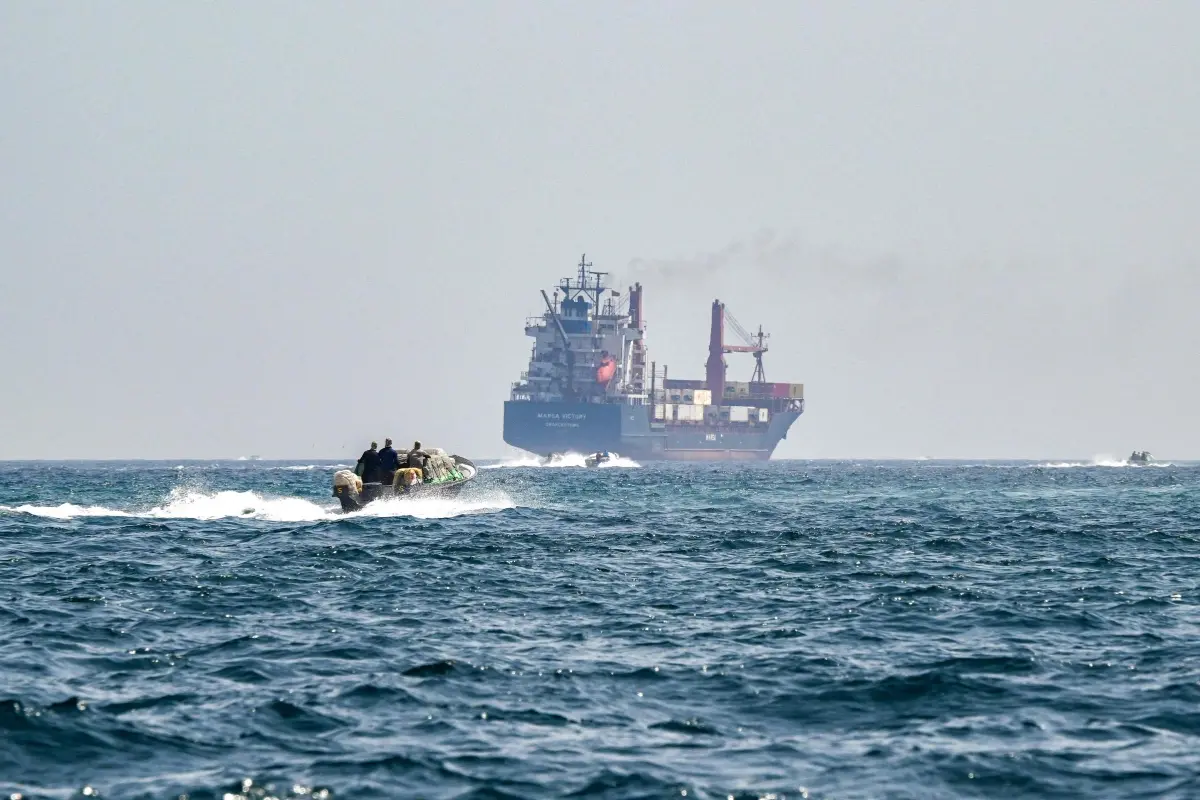
Iran's Foreign Minister Abbas Araghchi announced Friday that the Strait of Hormuz stands "completely open" to all commercial vessels during the Israel-Lebanon ceasefire, but with a critical proviso: ships must follow a specific "coordinated route" charted by Iranian authorities -- a path skirting Iran's southern coast that analysts suspect doubles as a regime toll booth.
The 10-day truce between Israel and Hezbollah took effect Thursday at 5 pm ET (2:30 AM IST), overlapping a separate US-Iran ceasefire expiring Tuesday. Araghchi's brief statement omitted any need for explicit Tehran clearance, referencing only the pre-designated path to sidestep "anti-ship mines" in the main channel.
State media, via the Student News Network's April 8 Telegram post, had warned of mine risks, directing traffic north along Iran's coast near Larak Island -- a strategic outpost. The advisory, backed by a map, urged coordination with the IRGC Navy for safety.
Also Read: Iran's cash nightmare: 7 billion dollars stuck in Indian banks
According to multiple media reports, Larak serves as a de facto checkpoint for passage fees, tightening Tehran's grip on the world's oil chokepoint, through which 20% of global crude flows.
"Iran's 'open' straits come with strings -- literally a narrower, controlled lane," maritime expert Dina Esfandiary of the International Crisis Group told CBS News, adding, "It's less blockade, more managed access, preserving leverage amid ceasefires."
Previously, only non-US/Israeli vessels with IRGC approval could transit this route. The shift aligns Hormuz access with the Lebanon truce, not the US deal, signaling Tehran's tactical linkage of regional conflicts.
Shipping giants like Maersk and BP have rerouted tankers, spiking insurance premiums 50% and reroute costs. With ceasefires fragile, the "coordinated route" underscores Iran's bid to dictate terms in this 21-mile-wide artery.