After Hormuz, is Iran eyeing the Red Sea? Houthi threat could put another global oil route at risk
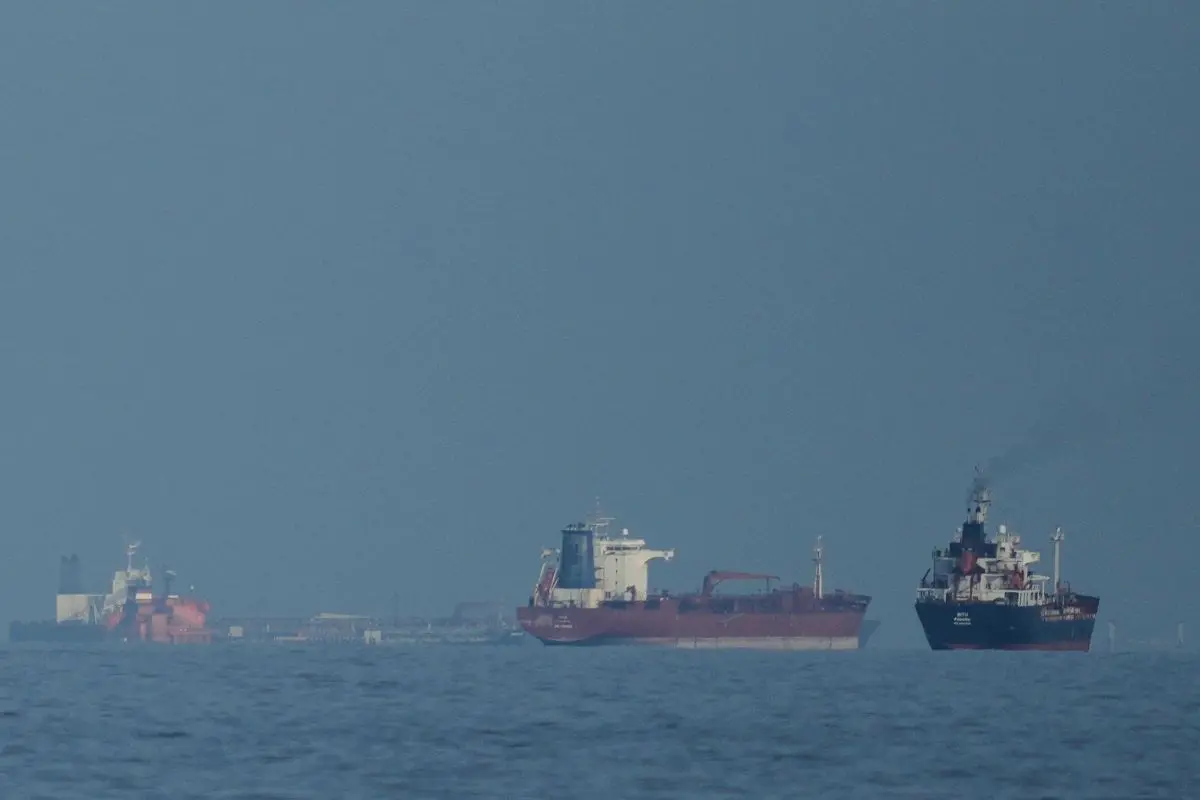
The global energy crisis could deepen if tensions in the Middle East escalate further. After Iran's reported closure of the Strait of Hormuz, attention is now shifting to another critical maritime chokepoint—the Bab el-Mandeb at the entrance to the Red Sea.
Iran has asked Yemen's Houthi rebels to remain ready to target shipping through the Bab el-Mandeb Strait if Washington launches strikes on Iran's power infrastructure, Reuters reported on Thursday, citing three sources familiar with the discussions.
Two senior Iranian sources and a regional source told Reuters that the proposal has been discussed within Iran's leadership and communicated to the Houthis. However, it remains unclear whether any final decision has been taken or whether the message followed US President Donald Trump's recent warning about possible attacks on Iranian infrastructure.
Why the Red Sea matters
The Bab el-Mandeb Strait is one of the world's most strategically important shipping corridors, connecting the Red Sea with the Gulf of Aden and the Indian Ocean. It serves as a vital route for crude oil, liquefied natural gas (LNG), container cargo and commercial trade moving between Europe, Asia and the Middle East.
If the waterway is disrupted, shipping companies could once again be forced to reroute vessels around Africa's Cape of Good Hope—a significantly longer and costlier journey that would increase freight costs and delay global supply chains.
Houthis reportedly prepared for action
A source close to the Houthi movement told Reuters that the group has already positioned missiles and drones near the Bab el-Mandeb Strait and is awaiting instructions before launching any operation against commercial shipping.
The same source said members of Iran's Islamic Revolutionary Guard Corps (IRGC) already present in Yemen would play a key role in determining the timing of any action.
The Strait of Hormuz and the Bab el-Mandeb are among the world's most important maritime chokepoints for energy trade. Simultaneous disruptions across both waterways would affect oil shipments, shipping costs and supply chains far beyond the Middle East.
Although no closure of the Red Sea route has been announced, the reported Iranian request signals that another key global shipping corridor could become part of the broader confrontation between Tehran and Washington if tensions continue to escalate.