Trump’s plan for warships in Strait of Hormuz meets strong opposition
Iran has partially relaxed its blockade of the Strait of Hormuz, allowing a limited number of countries to move vessels through the strategic waterway even as global oil prices climb above $105 per barrel.
The passage remains restricted for the United States and its allies. However, Tehran has begun granting carefully controlled transit permissions after high-level diplomatic negotiations with individual nations.
The development comes amid heightened tensions in one of the world’s most critical energy corridors, through which a significant share of global oil shipments passes.
Selective access after diplomatic negotiations
Iran’s military continues to maintain a strong presence in the region and has warned that ships attempting to cross the strait without approval could face destruction.
Despite the firm restrictions, a handful of exceptions have already emerged.
Pakistan managed to move an oil tanker through the strait under the new arrangement. Turkiye also secured permission for a vessel after it docked at an Iranian port.
Other major energy importers are now pursuing similar agreements.
China has opened talks aimed at safeguarding its oil and gas shipments through the waterway. France and Italy have also requested discussions with Tehran in hopes of securing safe passage for their vessels.
Trump calls for international naval coalition
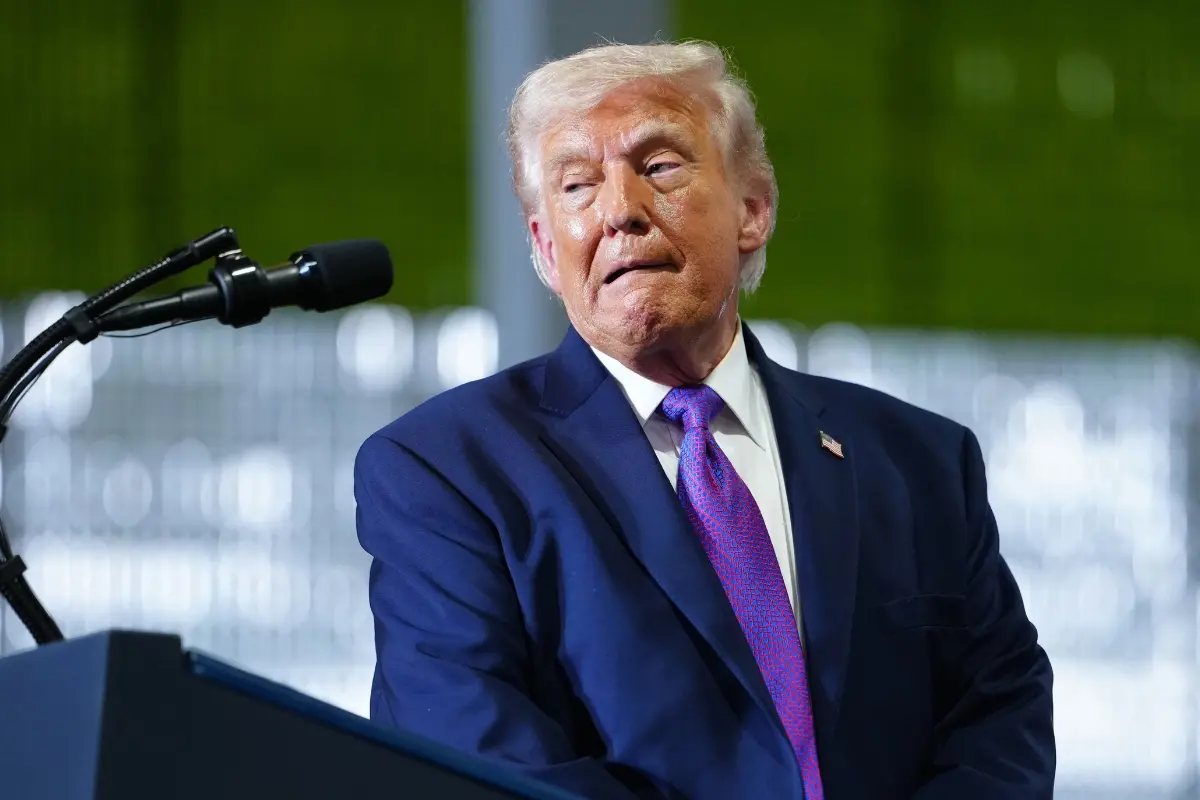
The disruption has prompted a sharp response from US President Donald Trump.
He has urged the creation of an international naval coalition to guarantee free movement through the strait. Trump called on countries including the United Kingdom, China, France, Japan and South Korea to deploy warships to the region.
According to him, the move is necessary to end what he described as an artificial constraint on global trade.
However, the proposal has faced resistance from several countries.
Germany and Greece have formally ruled out any military involvement. British Prime Minister Keir Starmer has also stated that the United Kingdom will not be drawn into a wider conflict.
Analysts say many allies remain cautious because several governments opposed the conflict from the outset.
India pursues diplomatic route
India has managed limited progress through direct diplomatic engagement with Tehran.
Following personal calls between Prime Minister Narendra Modi and Iranian leaders, two Indian-flagged LPG tankers recently crossed the Strait of Hormuz safely.
Even so, New Delhi has clarified that no permanent transit arrangement currently exists with Iran.
The Indian Navy continues to escort Indian merchant vessels operating in the region. At the same time, India has stayed away from joining any multilateral military force deployed there.
Indian officials have also confirmed that no bilateral discussions have yet taken place with the United States regarding Trump’s proposed naval coalition.