Sri Lanka shifts to four-day work week as Middle East war drags on
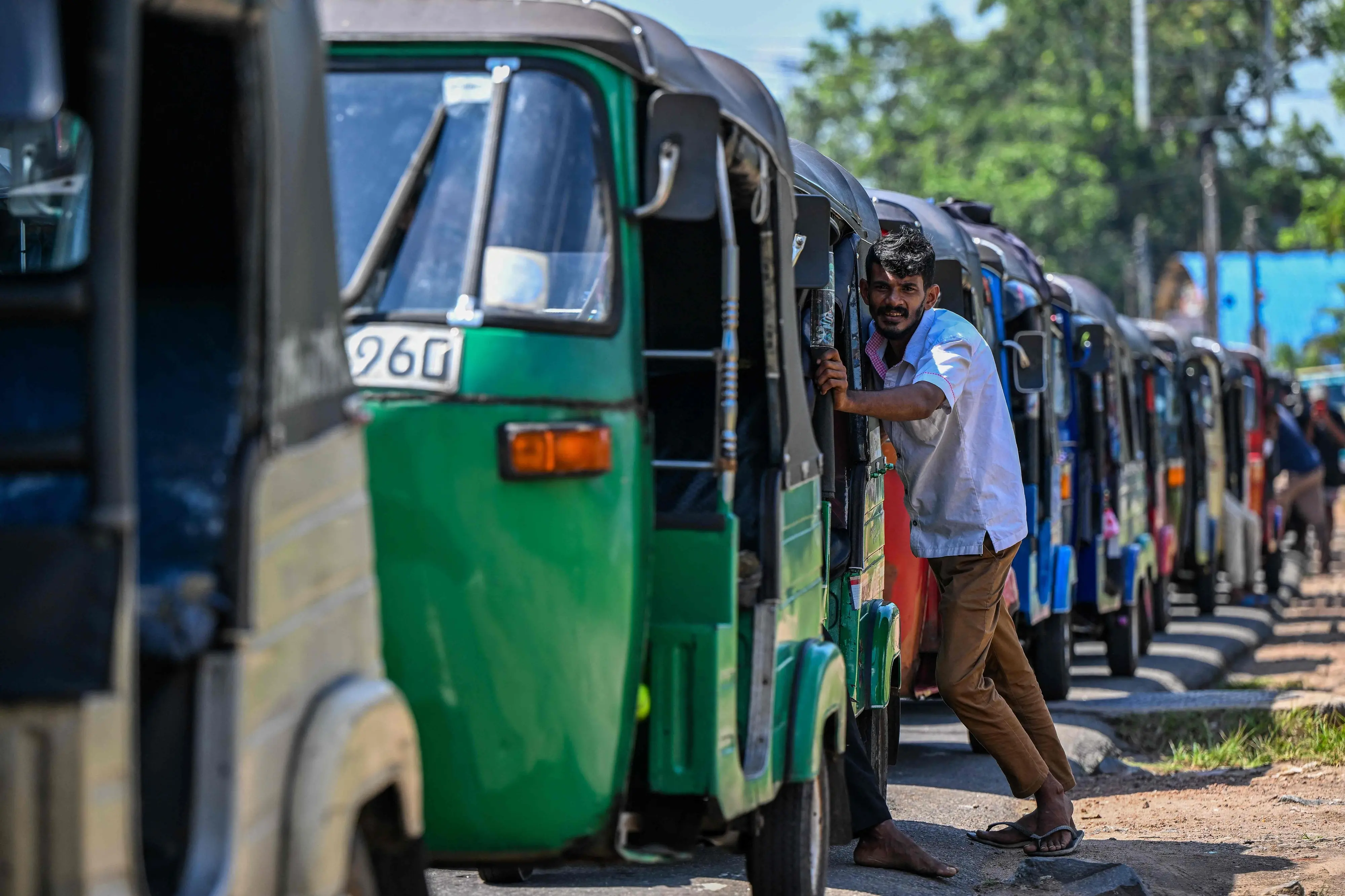
Sri Lanka has announced a nationwide shift to a four-day working week for state institutions as it braces for a prolonged conflict in the Middle East and the resulting strain on fuel supplies.
The move comes amid escalating tensions involving Iran, United States and Israel, with the strategic Strait of Hormuz effectively shut by Tehran. The waterway typically handles about 20 per cent of global oil shipments, and its disruption has raised alarm in import-dependent nations such as Sri Lanka.
Government imposes shorter work week
Commissioner-General of Essential Services Prabath Chandrakeerthi said public sector offices will operate only four days a week starting Wednesday, following an emergency meeting chaired by President Anura Kumara Dissanayake.
The austerity measure will also extend to schools and universities and will remain in effect indefinitely. Authorities have urged private companies to adopt similar steps.
"We are also asking the private sector to follow suit and declare every Wednesday a holiday from now on," Chandrakeerthi told reporters.
Fuel conservation at the core
The government has framed the decision as part of a broader effort to conserve dwindling fuel reserves, as the island nation depends entirely on imported oil and coal for its energy needs.
Additional measures include suspending public events and encouraging civil servants to work remotely wherever possible to reduce fuel consumption. However, essential services such as hospitals, ports and emergency operations will continue without disruption.
Officials say the country’s existing petrol and diesel stocks could last for nearly six weeks, but warned that any interruption in fresh supplies could quickly escalate into a crisis.
Rationing and supply concerns
Fuel rationing has already been introduced, limiting motorists to 15 litres of petrol or diesel per week. Public transport operators have been allocated up to 200 litres to maintain services.
Sri Lanka sources refined petroleum products from countries including Singapore, Malaysia and South Korea, while crude oil for its refinery, built with Iranian assistance, is imported from the Middle East.
The government fears that prolonged instability in the region could disrupt supply chains further, exacerbating the situation.
Leadership warns of prolonged crisis
During the high-level meeting, President Dissanayake urged officials to prepare for a worst-case scenario.
"We must prepare for the worst, but hope for the best," he said, according to an official present.
Authorities have cautioned that an extended conflict could derail Sri Lanka’s fragile economic recovery following its 2022 financial collapse.
Economic recovery at risk
The island nation defaulted on roughly $46 billion in foreign debt in 2022 after running out of foreign exchange, triggering its worst economic crisis in decades. Since then, Colombo has secured a $2.9 billion bailout from the International Monetary Fund to stabilise its economy.
Officials now warn that any sustained disruption in global energy flows, particularly through the Strait of Hormuz, could undermine those recovery efforts and place renewed pressure on the country’s finances.
As uncertainty in the Middle East continues, Sri Lanka’s latest measures signal growing concern over the potential global fallout of the conflict.
(AFP)