South Koreans vote in snap presidential election after Yoon’s ouster over martial law
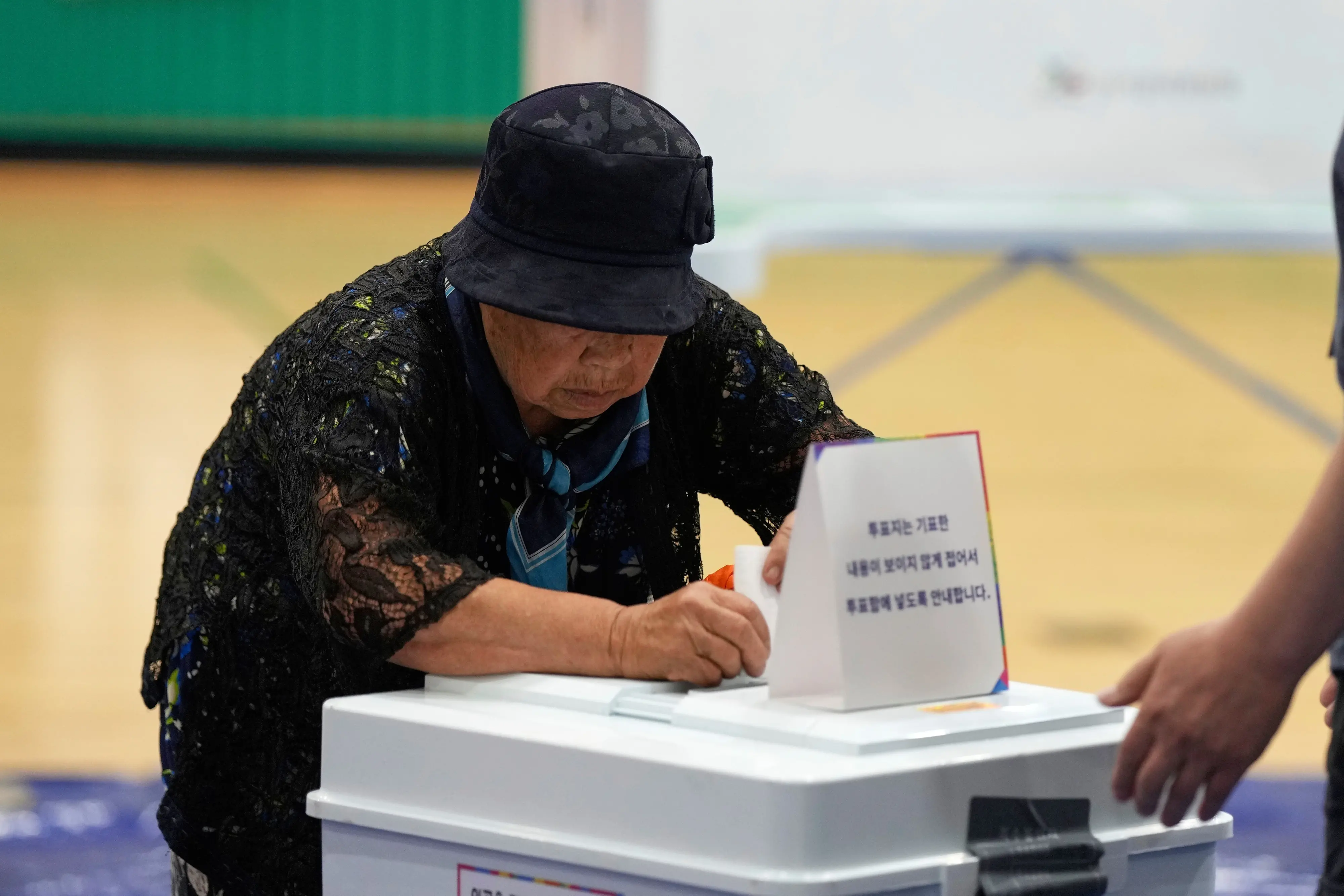
Seoul: Millions of South Koreans cast their votes on Tuesday in a snap presidential election triggered by the removal of former President Yoon Suk Yeol, who faces criminal charges over his controversial decision to impose martial law in December 2024.
The unexpected election marks a crucial moment for South Korea’s democracy amid ongoing political turmoil.
Pre-election polls indicated a likely victory for Yoon’s liberal rival, Lee Jae-myung, who has capitalised on widespread public dissatisfaction with the conservative camp following Yoon’s downfall. The main conservative candidate, Kim Moon Soo, has struggled to unite moderate voters as his party remains divided over Yoon’s legacy.
The election takes place against a backdrop of large-scale protests both supporting and opposing Yoon, which have deepened political and social divides in the country. The removal of Yoon and the resulting leadership vacuum have also unsettled South Korea’s diplomatic relations and financial markets.
The winning candidate will be sworn in immediately on Wednesday for a full five-year term, bypassing the usual transition period. The new president faces pressing challenges including an economic slowdown, tensions over US trade policies, and ongoing threats from North Korea’s nuclear programme.
Voting commenced at 6 a.m. local time and was scheduled to conclude by 8 p.m., with an early turnout indicating strong voter engagement. By late afternoon, over 16 million votes had been cast, joining 15 million early voters, resulting in a turnout rate exceeding 70%.
Lee Jae-myung has urged voters to reject conservative forces, promising reforms to revive the economy, reduce inequality, and heal national divisions. Conversely, Kim Moon Soo warned of potential political retaliation and authoritarian rule if Lee wins.
Both candidates have adopted cautious stances on foreign policy, recognising limited diplomatic options amidst US tariff pressures and North Korea’s nuclear ambitions. Lee has emphasised pragmatic diplomacy and pledged to maintain strong ties with the United States, while also expressing willingness to support renewed dialogue with North Korea, albeit acknowledging the difficulties ahead.
Observers note that despite political changes, fundamental challenges for South Korea’s stability and regional security persist. The election’s outcome will set the course for South Korea’s domestic governance and international relations in the coming years.
(With AP inputs)