Political crisis hits South Korea's growth, central bank reports slowdown
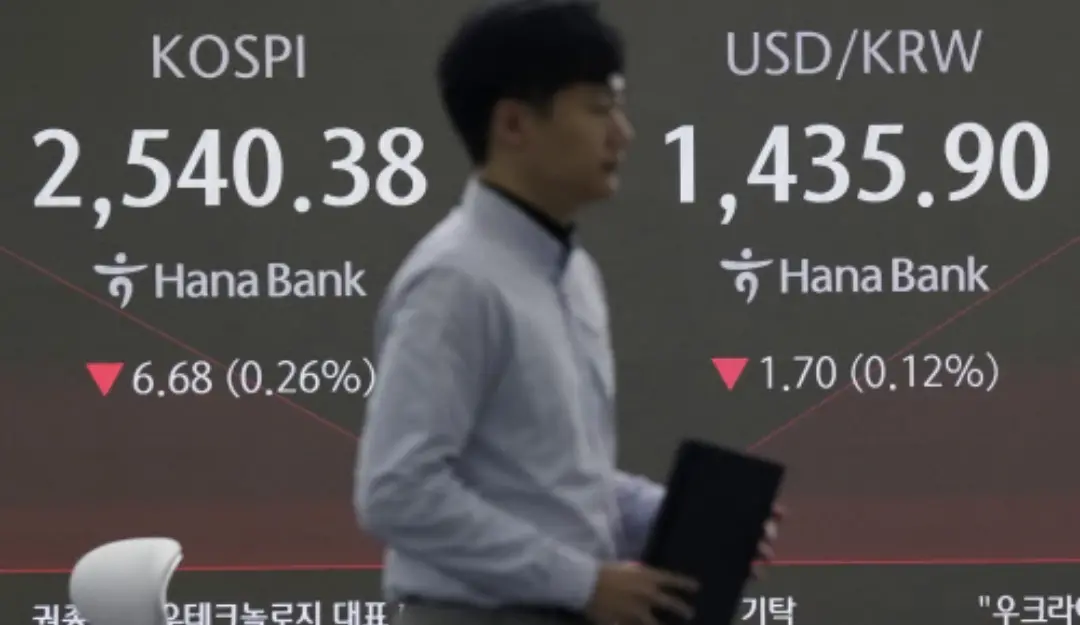
Seoul: South Korea's economy showed signs of strain in the last quarter of 2024, with growth slowing to 0.1 percent quarter on quarter and 1.2 percent year on year, according to data from the Bank of Korea. This marks the lowest quarterly growth rate of the year, following the controversial actions of President Yoon Suk Yeol, who briefly declared martial law on December 3.
The country's full-year GDP growth stood at 2 percent, falling short of forecasts by 0.2 percentage points, as political turmoil, including Yoon's impeachment and the tragic Jeju Air plane crash, dampened economic sentiment. This represents a 0.6 percentage point increase from 2023, but the weak performance in the fourth quarter signals continued economic struggles.
The Bank of Korea has revised its 2025 growth forecast down to 1.6 to 1.7 percent, citing the political crisis as a major factor affecting consumer confidence and domestic demand. Experts, including Shivaan Tandon from Capital Economics, believe that the weakness in consumption is linked to the ongoing political instability, which has already begun to impact growth.
Despite a 6.9 percent rise in exports in 2024, South Korea's economy remains heavily dependent on exports, particularly in industries like semiconductor production, which is dominated by conglomerates such as Samsung Electronics and SK Hynix. Imports also saw a slight increase of 2.4 percent.
The political crisis, including Yoon's brief suspension of civilian rule, has taken a toll on consumer sentiment, which fell to its lowest point since the Covid-19 pandemic. Even after Yoon's impeachment, the won weakened against the dollar, and the unemployment rate spiked to its highest level since 2021. The government has unveiled a $250 billion support package for exporters in response to growing concerns over potential US tariffs under President Donald Trump.