‘Should never have been brought’: US Justice Department presses court to dismiss Adani case
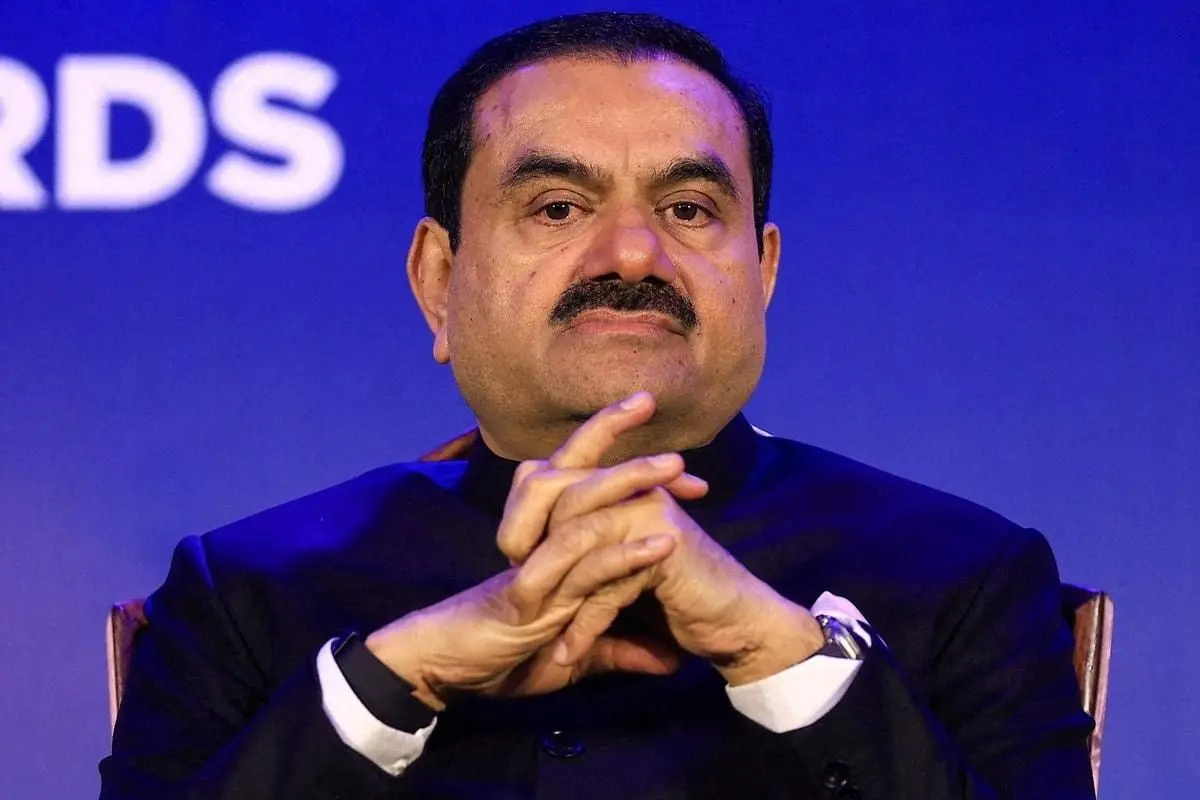
New York: The US Department of Justice (DoJ) has staunchly protected its move to abandon the criminal prosecution against Indian industrialist Gautam Adani and seven co-defendants, asserting to a federal judge that the initial case was legally deficient, diplomatically damaging and completely out of step with the current Trump administration's enforcement strategy.
In a robustly written 10-page brief, the DoJ declared the prosecution “should have been dropped a year ago -- or never brought in the first place,” while reminding the court that its authority to review the executive branch's choice to terminate an indictment with prejudice is highly constrained.
This legal response follows a directive from US District Judge Nicholas Garaufis, who tasked the department with substantiating its intent to permanently scrap the charges after labeling its initial motion "terse, bland and conclusory".
The case was originally instituted under the Biden administration in 2024, accusing Adani and his associates of running a scheme to distribute $250 million in bribes to Indian public officials. Prosecutors originally claimed the defendants misled financial backers to draw in billions of dollars in investments, including at least $175 million generated from US sources by Adani Green Energy Ltd.
Pushing back against judicial oversight
The DoJ argued that forcing prosecutors to lay bare the inner logic behind dropping a case would set a dangerous precedent, discouraging future dismissals, compromising privileged internal analysis and overstepping on the executive branch's constitutional mandate to handle prosecutions.
“Judicial inquisitions into the bases for dismissal will expose privileged internal debates,” penned Principal Associate Deputy Attorney General R Trent McCotter. He warned that such court demands create an adversarial environment for defendants by “potentially chilling the Department from seeking dismissal of criminal charges it determines are not in the interests of justice”.
Waiving executive privilege solely for this unique brief, McCotter noted he chose to throw out the charges after several months of consultations with defense counsel, an inspection of hundreds of pages of documents, and an independent legal review. “The decision to seek dismissal was not a close call,” he wrote.
Six reasons the government dropped the case
The Justice Department laid out six core reasons for withdrawing all charges:
1. The alleged actions occurred predominantly within India.
2. Indian investigative agencies already looked into the claims and found no actionable wrongdoing.
3. Investors suffered zero financial losses.
4. Essential witnesses and evidence are located overseas.
5. The defendants are highly unlikely to ever stand inside a US courtroom.
6. The prosecution faced profound evidentiary obstacles.
“This is a foreign case,” McCotter stated plainly. He noted the indictment essentially revolved around “several Indians (with maybe a European or two) allegedly trying to bridge other Indians by paying the Indian government via complex Indian rebate programs to get Indian contracts to provide Indian electricity to Indians in India.”
McCotter went on to critique the broader scope of the initial case: “The United States pretending to be the world police can cause diplomatic strife and also wastes resources better spent on domestic concerns. India can better manage its internal systems than can prosecutors in Brooklyn and Washington.”
Flawed jurisdictional grounding
The filing maintained that the criminal securities fraud indictments brought against Gautam Adani, Sagar Adani and Cyril Cabanes lacked valid legal footing because the core of the alleged misconduct transpired outside of US borders and failed to meet necessary domestic jurisdictional mandates.
The DoJ pointed out that investors faced no financial harm since the financial notes in question were either fully paid back or are currently being serviced. Furthermore, McCotter questioned whether the statements highlighted in the original indictment could legally constitute criminal fraud, defining them as corporate “platitudes” and “puffery” that sophisticated institutional investors would not rely on.
“The securities charges should never have been brought,” McCotter wrote, adding that the matter at most called for “civil, rather than criminal, resolution”.
Realigning with the Blanche Memorandum
The department also explained that the Foreign Corrupt Practices Act (FCPA) counts are entirely out of alignment with the DoJ policy laid out by Deputy Attorney General Todd Blanche in a June 2025 memorandum. That directive instructs federal prosecutors to strictly prioritise cases touching upon American national security, transnational criminal cartels or egregious damage to US corporations.
“The alleged conduct did not involve criminal organisations, did not have any effect on US companies, did not in any way implicate national security, was not egregious, and has been the subject of investigations in India,” the DoJ documented. “Under the Blanche Memorandum, the FCPA charges should have been dismissed a year ago.”
In addition, McCotter dismissed media speculation alleging the DoJ dropped the prosecution in exchange for vows of domestic investment from the Adani Group, characterising the assertions as “false”.
“I would have sought dismissal of the securities charges regardless of any mentions of investments,” McCotter emphasized. “The mention of potential investments could not have played any role.”
The department implored the judge to quickly authorise the dismissal, stating that leaving the case open only prolongs a state of limbo for individuals facing an indictment that the government itself no longer views as legitimate.
“In short, there was absolutely nothing improper with the Department's as-filed dismissal motion,” McCotter concluded. “The defendants have been held in limbo on charges that should have been dropped a year ago -- or never brought in the first place.”
PTI