Who is Shabana Mahmood? Why her name is surfacing in UK Prime Minister talks
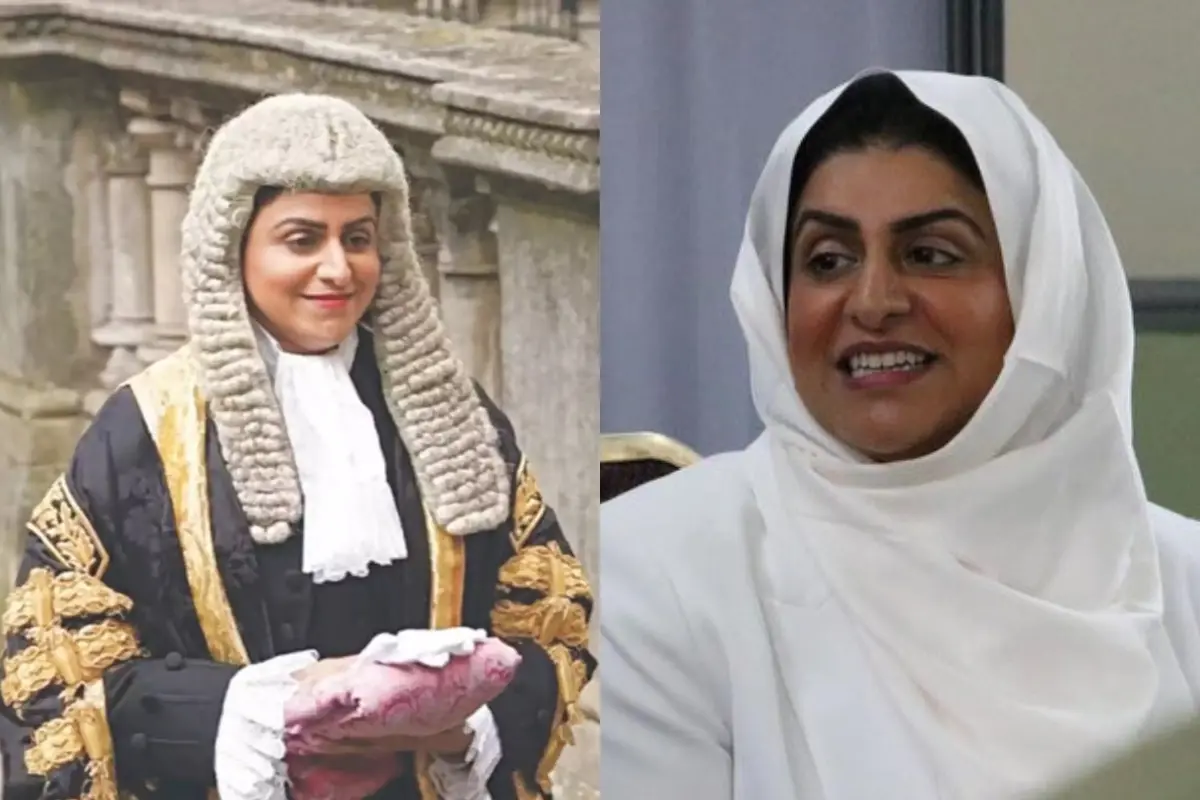
Speculation within the Labour Party has intensified over a possible leadership transition, with Home Secretary Shabana Mahmood’s name increasingly mentioned amid mounting pressure on Prime Minister Keir Starmer.
Political uncertainty fuels succession debate
Discussion around Labour’s leadership has gained momentum following the resignation of Prime Minister Keir Starmer’s chief of staff, Morgan McSweeney, after controversy surrounding the appointment of Peter Mandelson as the UK’s ambassador to Washington. The appointment drew scrutiny due to Mandelson’s past links to the late financier Jeffrey Epstein, prompting criticism within political circles.
Although there has been no official indication that Starmer plans to step down, some MPs and commentators have described his position as politically weakened. Opinion polls and internal party discussions have contributed to speculation about succession planning within Labour.
Who is Shabana Mahmood?
Shabana Mahmood, 45, currently serves as the UK Home Secretary. A barrister by training, she studied law at Lincoln College, Oxford, graduating in 2002, and completed the Bar Vocational Course at the Inns of Court School of Law.
Born in Birmingham to parents Zubaida and Mahmood Ahmed, her family traces its roots to Pakistan and the Mirpur region of Pakistan-occupied Kashmir. Her background has frequently been cited in discussions about representation within British politics, particularly in relation to the UK’s South Asian and Kashmiri diaspora communities.
In 2010, Mahmood became one of the first Muslim women elected as a Member of Parliament, alongside Rushanara Ali and Yasmin Qureshi.
Role within Labour and policy positioning
Within the Labour Party, Mahmood is regarded as a senior and experienced cabinet figure. She is often described as a disciplined communicator with experience handling complex policy portfolios.
As Home Secretary since 2025, she has overseen border security and immigration policy. One of her most significant policy proposals involves extending the qualifying period for indefinite leave to remain (permanent residency) from five years to ten years for most migrant workers. She has described settlement as a “privilege not a right”, arguing that rising migration levels require structural reform.
The proposal has generated debate within Labour. Some MPs have raised concerns about its retrospective nature and potential impact on workforce shortages, particularly in healthcare.
Mahmood has also defended the expansion of facial recognition technology for police forces and opposed proposals for devolving additional policing powers to Wales.
Leadership arithmetic and party dynamics
Under Labour Party rules, any leadership challenge would require nominations from at least 20 per cent of Labour MPs in the House of Commons. A formal leadership contest would then be conducted among party members.
Bookmaker odds have reportedly placed Mahmood among several potential contenders, though not as the current favourite. Other figures frequently mentioned include Angela Rayner, Wes Streeting, Ed Miliband and Andy Burnham.
At present, Mahmood has not publicly expressed leadership ambitions. Her name continues to circulate in political discussions largely due to her cabinet seniority, policy profile and perceived ability to appeal to both centrist voters and sections of Britain’s Muslim electorate.
What it means
The discussion around Shabana Mahmood reflects broader uncertainty within Labour rather than a confirmed leadership race. While Starmer remains Prime Minister and party leader, internal debate about succession highlights tensions over policy direction, public trust and electoral positioning.
Mahmood’s Kashmiri heritage, legal background and high-profile Home Office role have contributed to heightened attention. However, any leadership transition would depend on formal parliamentary procedures and political developments within the party.