Seven oil tankers hit in Strait of Hormuz overnight, Iran claims as war fears grow
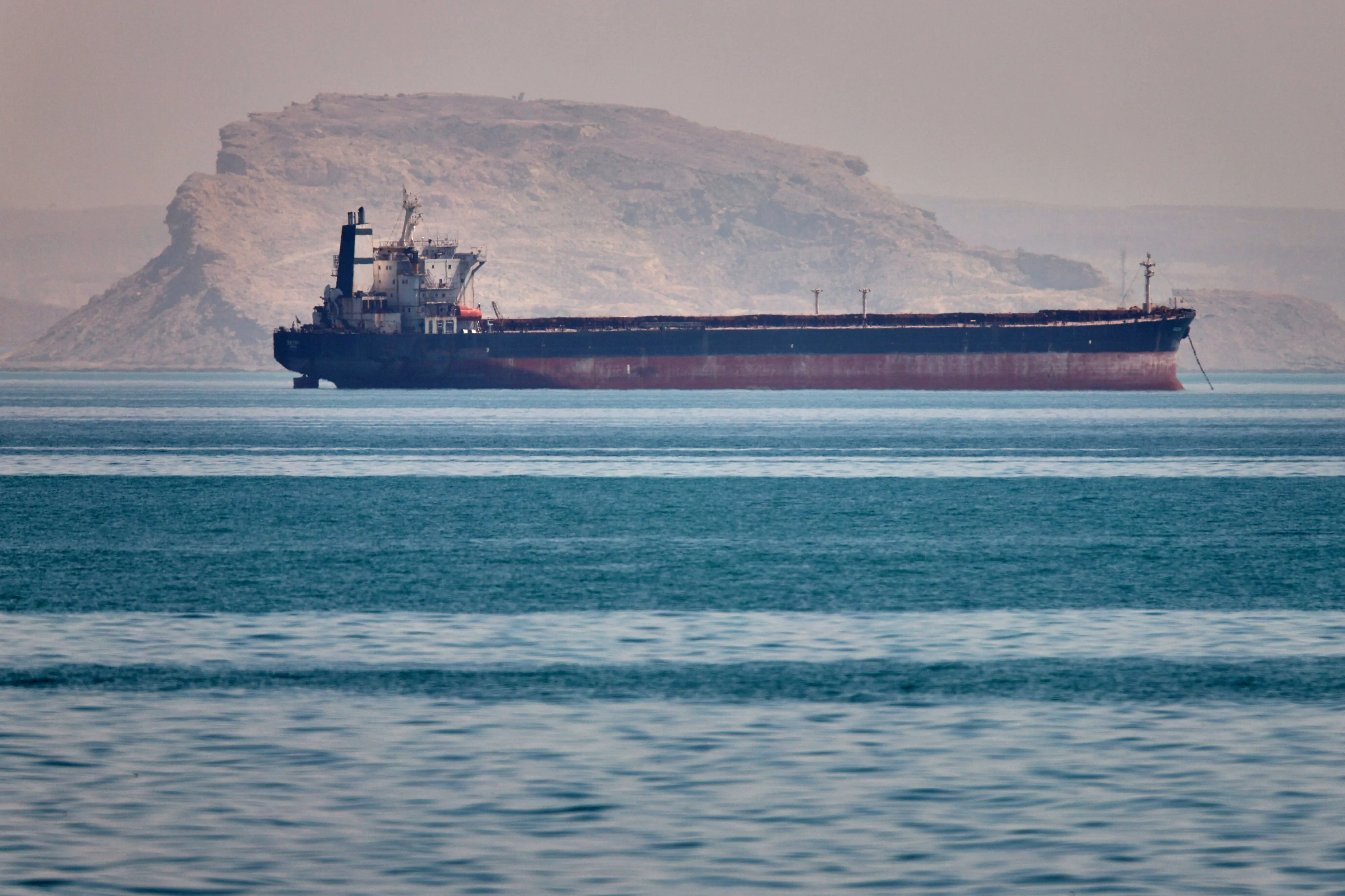
Tehran: Seven oil tankers were reportedly damaged or caught fire overnight in the Strait of Hormuz after being struck by Iranian forces or hitting naval mines, Tehran claimed on Thursday, raising fresh concerns about a renewed military confrontation in West Asia.
The reported incidents mark an unusually high number of vessels affected in a single night, coming amid growing fears that the fragile security situation in the region could deteriorate into another round of full-scale hostilities involving Iran, Israel and the United States.
Iranian state television, citing the Islamic Revolutionary Guard Corps (IRGC) navy, reported the incidents but provided no details about the vessels involved or the extent of the damage. The Associated Press said it could not independently verify the claims.
There was also no immediate information about possible casualties.
The reported attacks come at a politically sensitive moment for both Israel and the United States, with elections approaching in the two countries.
Israel is scheduled to hold an election on October 27, with Prime Minister Benjamin Netanyahu facing the possibility of losing power. The United States, meanwhile, is heading towards its midterm elections next month amid public frustration over high prices linked to the war.
Concerns have intensified that US-Israeli military operations against Iran could resume, potentially triggering another major escalation across the region.
"Netanyahu wants to attack Iran, that's not even a question," Danny Citrinowicz, a researcher at Israel's Institute for National Security Studies and a former Iran specialist in Israel's military and intelligence services, told The Associated Press.
Citrinowicz criticised Israel's approach, suggesting that the country was moving towards another confrontation with Iran without sufficiently reconsidering its military strategy.
According to him, a decisive victory for Netanyahu in the October 27 election would make another Israeli attack on Iran almost certain.
While opposition candidates are expected to prioritise domestic issues if they come to power, Citrinowicz warned that the broader regional trajectory still points towards "another kinetic escalation."
Meanwhile, Iran's Revolutionary Guard navy renewed its warning that American military installations across the region could become targets if Washington continues assisting commercial vessels navigating the Strait of Hormuz.
The warning was carried by Iranian state television alongside its report about the seven tankers.
Tehran continues to assert control over the strategic waterway, which remains a major source of leverage in its dealings with Washington over the ongoing conflict.
The Strait of Hormuz is a crucial maritime passage for global energy supplies, and continued disruption to commercial shipping has heightened concerns about oil transportation costs and international energy markets.
According to the United Kingdom Maritime Trade Operations (UKMTO), a British military maritime security monitor, October has witnessed the highest number of reported attacks on commercial shipping since March, when the war was in its early stages.
However, UKMTO had not reported the latest incidents involving the seven tankers at the time of the AP report.
The monitoring agency has also observed increasing reluctance among some shipping operators to report security incidents, raising concerns that the actual scale of maritime disruption may not be fully reflected in official figures.
Despite the security challenges, oil-producing countries have managed to maintain crude shipments through alternative arrangements and other measures, according to experts. However, these efforts have come at an increasingly high financial cost.
Iran has maintained that it remains open to diplomatic engagement while insisting on its right to defend itself against military threats.