Saudi Aramco tower in Riyadh damaged amid Houthi missile attacks; no casualties reported
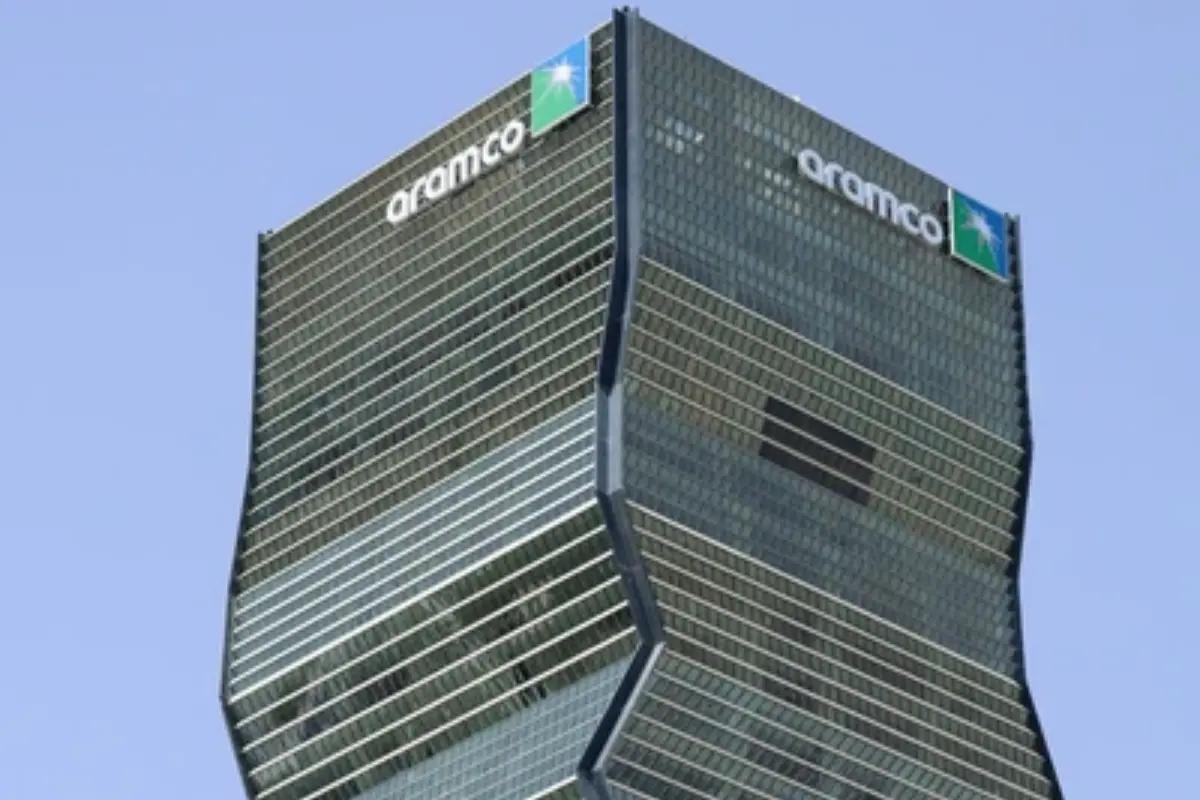
Riyadh: A Saudi Aramco building in the Saudi capital Riyadh was damaged in an attempted attack on Sunday, raising fresh concerns over the escalating conflict between Saudi Arabia and Yemen's Houthi rebels.
The administrative building, located in the King Abdullah Financial District (KAFD), sustained damage after shrapnel fell on it, Saudi Arabia's Ministry of Energy said. No injuries or fatalities were reported.
The ministry confirmed the incident in a statement carried by Saudi state media, describing it as an "attempted attack". It said the falling shrapnel caused minor damage to the building.
However, eyewitnesses told AFP that the Aramco tower had sustained visible damage, with shattered glass and parts of its facade affected. One witness said multiple floors appeared to have been damaged.
Saudi air defences intercept missiles targeting Riyadh
The incident came hours after the Saudi-led coalition fighting the Houthis announced that its air defences had intercepted ballistic missiles launched towards the kingdom.
Coalition spokesperson Major-General Turki al-Malki said two ballistic missiles fired by the Houthi group towards Riyadh had been intercepted and destroyed.
In separate statements, al-Malki also reported interceptions involving missiles targeting Saudi Arabia's Eastern Province and southern region, as well as a drone launched by the group.
Explosions were heard in Riyadh on Sunday morning amid the missile interceptions.
The latest attack comes as the Houthis have intensified their strikes on Saudi territory following the collapse of a fragile ceasefire in Yemen in July.
Also read | An airstrike has killed 25 people near Yemen's capital, Houthi official says
Aramco facilities repeatedly targeted
Saudi Aramco facilities have been among the targets of repeated Houthi attacks in recent months. These have included oil refineries, storage facilities, tankers and other energy infrastructure across the kingdom.
The King Abdullah Financial District, where the damaged building is located, is one of Riyadh's prominent commercial and financial hubs. It houses major Saudi companies, international financial institutions, the Public Investment Fund headquarters and the Saudi stock exchange.
The area also has residential facilities and a major metro station, making the reported damage a significant development in the conflict.
The attack comes shortly after Saudi Arabia's Education Ministry announced the resumption of in-person classes in Riyadh following weeks of remote learning introduced after an earlier wave of strikes.
Also read | Saudi Arabia offers $1 billion to Houthis for peace, Asim Munir joins Iran talks
Yemen conflict intensifies after ceasefire collapse
The latest escalation is part of the widening conflict between the Iran-aligned Houthis and the Saudi-backed Yemeni government.
The Houthis seized Yemen's capital, Sanaa, in 2014, prompting a Saudi-led military coalition to intervene the following year in support of the internationally recognised government.
A ceasefire agreed in 2022 had largely paused the fighting before breaking down in July this year, triggering renewed attacks on Saudi territory and intensifying military operations in Yemen.
The Saudi-backed Yemeni government has also launched an operation to reclaim territory held by the Houthis, including areas around Sanaa.
Meanwhile, the Houthis have accused the Saudi-led coalition of carrying out deadly air strikes in Yemen. The group's Health Ministry spokesperson claimed that 33 people, including women and children, were killed in strikes near Sanaa on Saturday. The coalition had not immediately commented on the reported casualties.
The United Nations has reported that more than 1,600 people have been killed and nearly 3,00,000 displaced since fighting resumed.
Saudi authorities have repeatedly warned residents against filming or sharing images of missile attacks, drones, air defence interceptions and their impact sites.