‘Modern-day slavery’ ends? Saudi Arabia scraps Kafala system for migrant workers
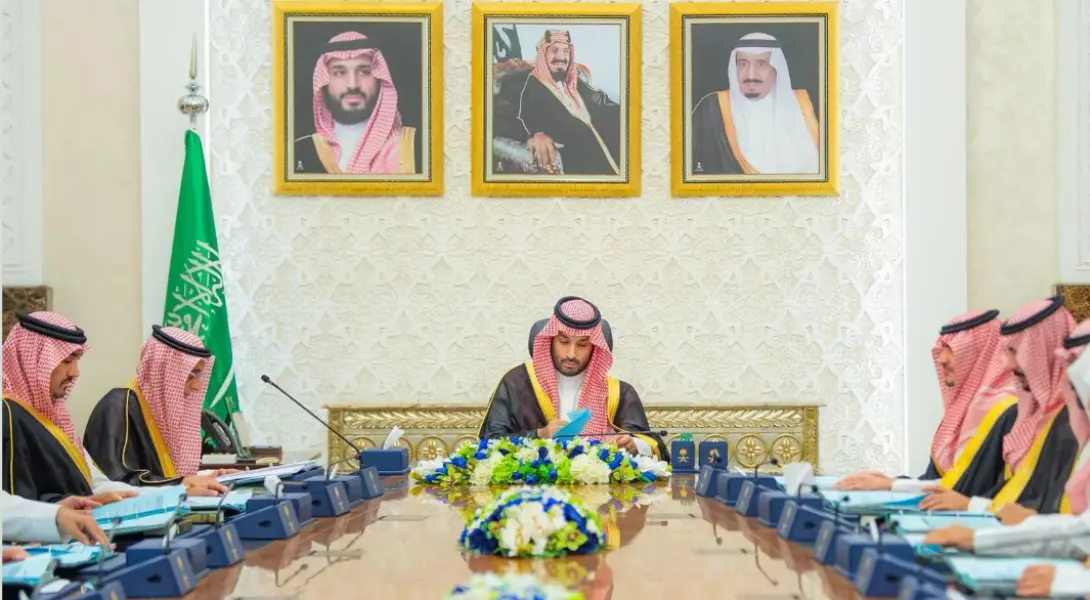
Jeddah: Saudi Arabia has announced the abolition of the controversial Kafala system, marking a historic step toward improving labour rights in the Gulf region.
The decision, long awaited by human rights groups and migrant communities, is expected to affect more than one crore foreign workers, including around 26 lakh Indians.
In a landmark decision, Saudi Arabia has abolished the Kafala sponsorship system, which has governed the employment of migrant workers for more than 50 years. The decision has been welcomed globally as a step toward fairer and more transparent labour practices in the Gulf.
The reform will impact more than one crore migrant workers, including 26 lakh Indians living in the Kingdom. Workers will now have the right to change jobs, travel, or exit the country without their employer’s consent — a sharp departure from the previous system.
What was the Kafala system?
The Kafala (sponsorship) system was introduced in the mid-20th century to regulate the flow of foreign labour. Under this model, a worker’s visa and legal status were tied directly to an employer, known as a kafeel. This effectively gave employers complete control over the worker’s ability to switch jobs, travel abroad, or even stay legally in the country.
Critics, including human rights organisations, described the system as a form of “modern-day slavery” that facilitated exploitation, wage theft, and abuse. Many workers reported being trapped in jobs with poor conditions, unable to leave without risking arrest or deportation.
Why Saudi Arabia decided to abolish it
Saudi Arabia’s decision is part of a wider reform agenda under Vision 2030, the Kingdom’s ambitious plan to diversify its economy and modernise its labour market. Authorities had first announced the intent to phase out the system in 2020.
According to the Ministry of Human Resources and Social Development, the new contractual employment model will promote worker mobility and help attract global talent by ensuring fairer conditions. The move aligns with the country’s National Transformation Program, which seeks to balance economic growth with social responsibility.
Relief for millions of migrant workers
The reform is expected to provide much-needed relief to millions of foreign workers, particularly from India, Pakistan, Bangladesh, Nepal, and the Philippines. It will allow workers to apply for exit and re-entry visas electronically and leave the Kingdom without requiring employer approval.
Labour rights advocates have praised the move but emphasised that implementation will be key. They note that consistent enforcement and awareness campaigns will be essential to ensure both employers and employees understand the new rights and obligations.
Global reaction and significance
The decision has drawn praise from international human rights groups and foreign governments. The Kafala system had long been a source of criticism, especially following widespread reports of labour exploitation during infrastructure projects ahead of major global events like the 2022 FIFA World Cup in Qatar.
By abolishing the Kafala system, Saudi Arabia aims to project itself as a leader in labour reform in the region. Experts say the move could set a precedent for other Gulf nations that still operate similar sponsorship systems.
Part of Saudi Vision 2030
This reform forms a crucial pillar of Saudi Vision 2030, Crown Prince Mohammed bin Salman’s long-term blueprint for transforming the nation’s economy and society. Beyond improving worker rights, the initiative seeks to attract foreign investment, boost economic productivity, and align Saudi Arabia’s policies with international human rights standards.
Officials have stated that these changes mark a new era in the Kingdom’s labour landscape — one that promises greater dignity, opportunity, and equality for millions of migrant workers who contribute to its economy.