Saudi Arabia secretly struck Iran: Report reveals covert air war in March escalation
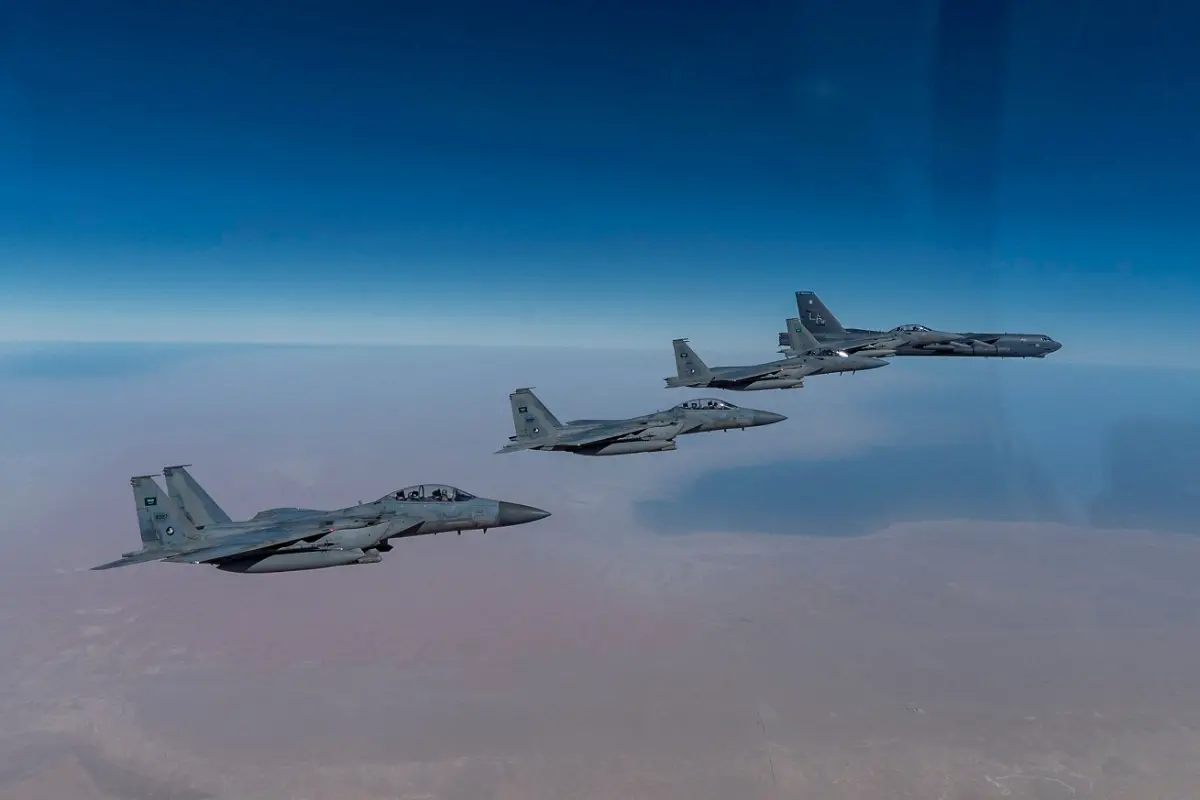
Riyadh: A fresh report has raised serious questions about the scale and secrecy of the widening West Asia conflict, claiming that Saudi Arabia carried out covert airstrikes on Iran in late March. If confirmed, the strikes would mark a rare and significant escalation between the two regional rivals, suggesting the confrontation has moved beyond proxy tensions into direct but unacknowledged military action.
According to a Reuters report citing Western and Iranian officials, Saudi Arabia’s Air Force allegedly conducted unpublicised strikes on Iranian targets in late March. The report suggests these operations were retaliatory in nature, following earlier attacks on Saudi territory.
While Riyadh has not directly confirmed the strikes, officials quoted in the report indicated that the action was seen as a “tit-for-tat” response, signalling a shift in how far regional powers may be willing to go in direct engagement.
First known direct Saudi action against Iran
If verified, this would represent the first known instance of Saudi Arabia directly targeting Iranian territory. The development is being interpreted as a sign of Riyadh taking a more assertive military posture amid escalating regional insecurity.
However, the report also notes that the exact targets of the alleged strikes remain unclear, and independent confirmation is limited.
Despite the reported escalation, both sides appear to have maintained backchannel communication. Iranian and Western officials reportedly said Saudi Arabia informed Tehran about the strikes, which was followed by diplomatic exchanges aimed at preventing further escalation.
The report suggests that these discreet communications helped avoid a broader spiral, eventually contributing to a temporary de-escalation agreement between the two sides.
Escalation before regional ceasefire
The alleged strikes reportedly came during a period of intense cross-border attacks across the region, including drone and missile strikes linked to wider tensions involving Iran, Iraq, and allied groups.
Reuters data cited in the report indicates a sharp drop in attacks on Saudi Arabia after early April, suggesting a shift towards de-escalation ahead of a broader ceasefire framework between Iran and the United States.
The report also highlights concerns that the Gulf conflict is expanding in complexity, with multiple states and non-state actors involved in overlapping confrontations. Earlier reports have also suggested similar covert actions by other regional powers, underlining a broader pattern of escalation beneath official diplomatic messaging.
If accurate, the Saudi strikes would mark a significant moment in the evolving security dynamics of West Asia, where direct and indirect confrontations are increasingly blurring.
(With ANI inputs)