Global oil at risk: Russia reacts to US temporary sale approval as ‘obvious’
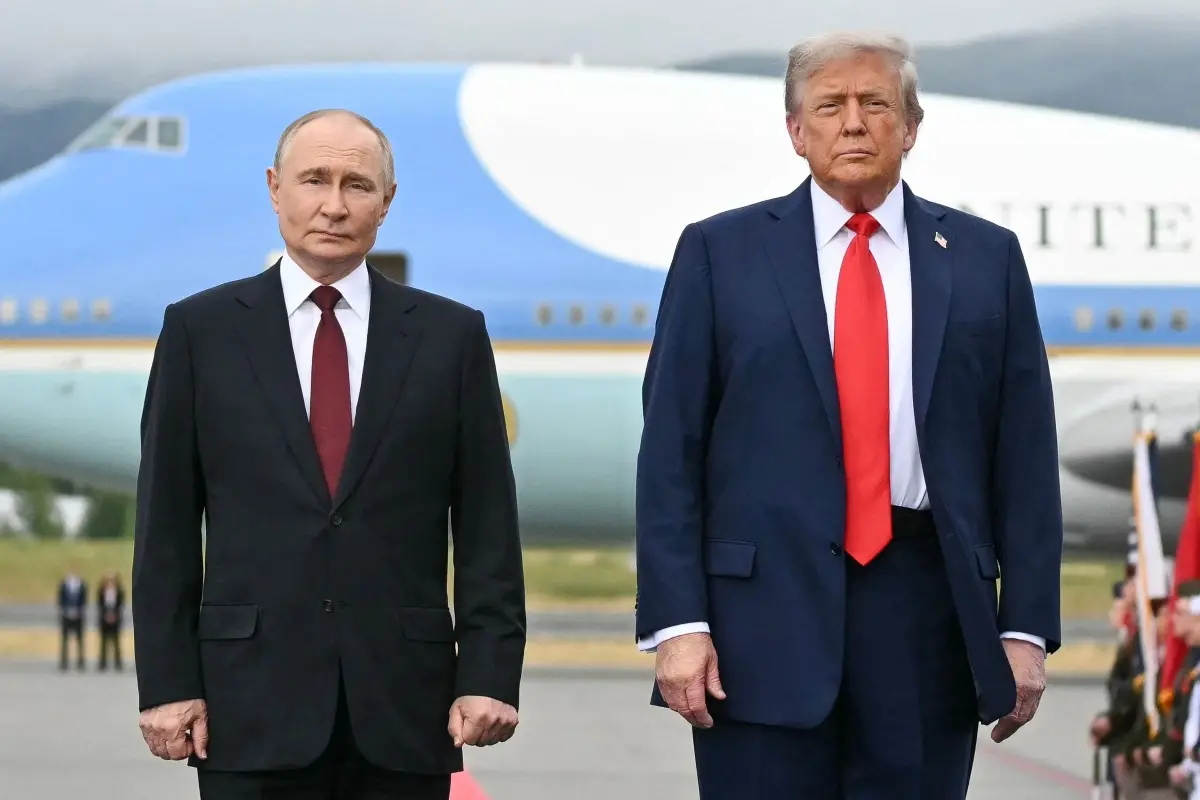
Moscow: Russia has strongly reacted to the United States’ temporary decision to allow the sale of Russian crude already in transit, calling it an “acknowledgement of the obvious.” Kirill Dmitriev, Russia’s economic envoy, emphasised that without Russian oil, global energy markets “cannot remain stable,” posting the comment on Telegram.
“The United States is effectively acknowledging the obvious: without Russian oil, the global energy market cannot remain stable.” – Kirill Dmitriev, Russia’s economic envoy
The waiver, issued by the US Treasury, applies to shipments loaded onto vessels before March 12 and will remain in effect until April 11. This measure comes at a time of heightened volatility in global energy markets, triggered by US-Israeli strikes on Iran and Tehran’s retaliatory threats.
Brent crude surged 9.2% to settle at $100.46 per barrel, marking the first time it has crossed the $100 threshold since August 2022. The US benchmark, West Texas Intermediate (WTI), climbed 9.7% to $95.73 per barrel. Global equity markets also slipped as investors worried about the possibility of a prolonged conflict in the Gulf region, which could disrupt oil supplies further.
Iran has warned it may target regional energy infrastructure if its own facilities are attacked, escalating fears over the Strait of Hormuz, a critical shipping route for global oil. The combination of military strikes, retaliatory threats, and sanctions uncertainty has sent shockwaves across energy and financial markets.
While the US waiver ensures that Russian oil already in transit reaches its destination, Russia’s response highlights its central role in the global energy system. Dmitriev’s remarks underline Moscow’s influence over energy security and signal that any significant disruption in Russian oil supplies could further destabilise global markets.
Analysts say that the waiver may provide temporary relief but cannot fully offset the broader market uncertainty caused by the Iran conflict. Oil prices are likely to remain volatile as geopolitical tensions continue, with the potential for further price spikes if hostilities escalate.