Will Indonesia become the next BrahMos power in ASEAN? India edges closer to $450 million deal
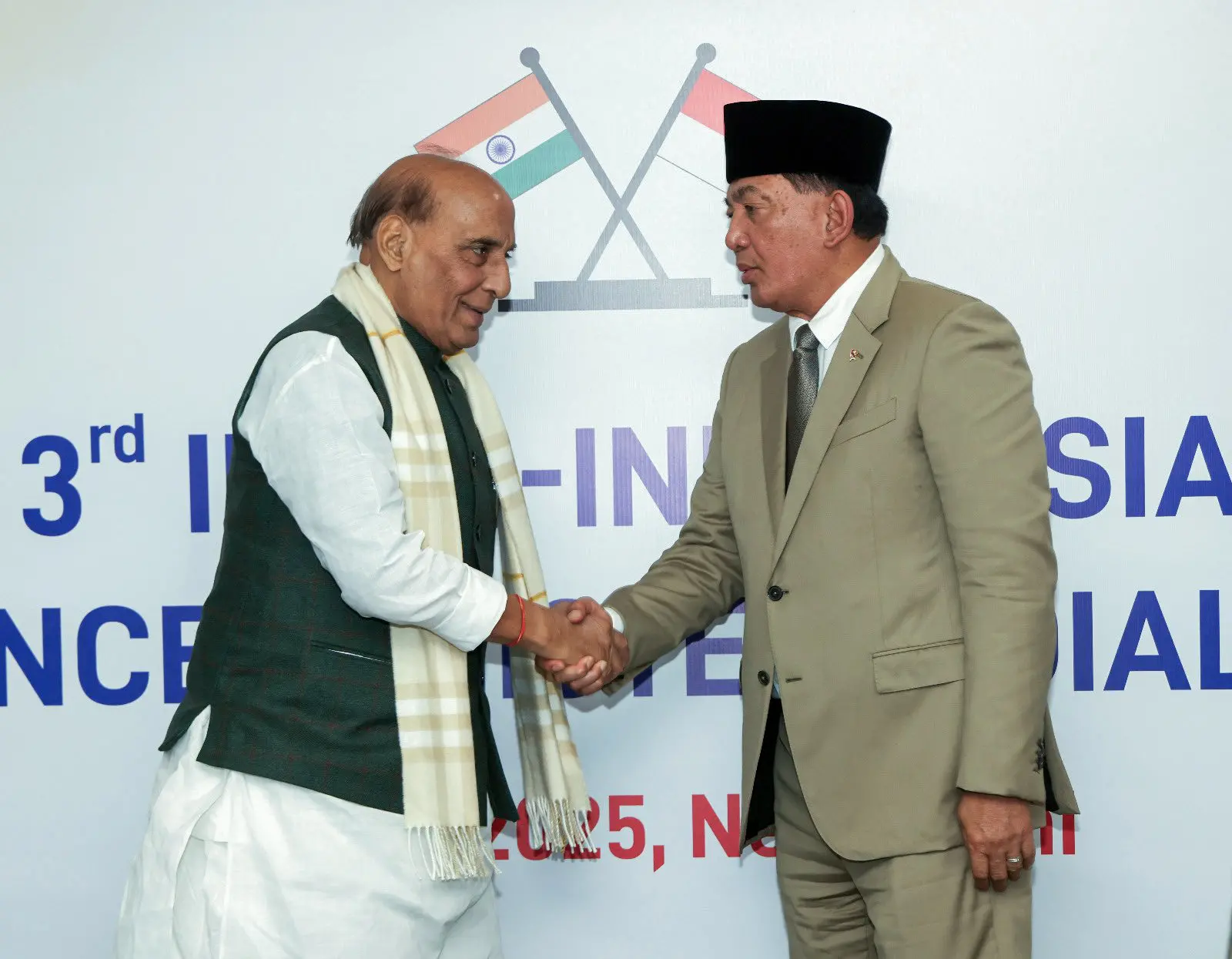
Jakarta: India and Indonesia have made significant progress toward finalising a major defence agreement for the BrahMos supersonic cruise missile, marking an important step in strengthening military cooperation. During the third India-Indonesia Defence Ministers’ Dialogue in New Delhi, Defence Minister Rajnath Singh and Indonesian Defence Minister Sjafrie Sjamsoeddin held discussions on financial terms and a phased procurement plan, bringing both sides closer to sealing the deal.
Potential Second ASEAN Buyer After the Philippines
If concluded, Indonesia will become the second ASEAN country after the Philippines to acquire the BrahMos missile system. The system is currently undergoing upgrades to extend its range to around 500 km for land targets and approximately 400 km for maritime targets. The Indonesian delegation also visited the BrahMos production facility and expressed interest in naval and air-launched variants, including suitability for their Su-30 aircraft.
Strategic Convergence in the Indo-Pacific
The growing defence partnership underscores a shared commitment to maintaining a free, open, peaceful and stable Indo-Pacific in accordance with international law and respect for sovereignty. This alignment reflects mutual concerns about aggressive maritime claims in contested waters, particularly in the South China Sea.
Both sides highlighted the alignment between India’s Indo-Pacific Oceans Initiative and Indonesia’s ASEAN Outlook on the Indo-Pacific, reinforcing India’s role as a key regional partner.
Maritime Security, Cyber Resilience and Joint Readiness
India and Indonesia agreed to expand cooperation in maritime domain awareness, cyber resilience and operational readiness to address emerging security challenges. Enhanced coordination in the Indian Ocean and broader Indo-Pacific was emphasised during the ministerial dialogue.
Joint Defence Industry Cooperation Proposed
India proposed establishing a Joint Defence Industry Cooperation Committee to facilitate collaboration in technology transfer, joint research and development, and supply-chain integration. Indonesia showed strong interest in India’s submarine development experience, notably the Scorpene-class programme, which could support Indonesia’s future naval ambitions.
BrahMos Role in Operation Sindoor Highlighted
India’s effective use of the BrahMos missile during the four-day confrontation with Pakistan in May under Operation Sindoor was noted as an example of the system’s operational maturity and strategic value. The platform’s proven capabilities are a key factor in Indonesia’s procurement interest.
Joint Exercises and Military Training Expansion
The two nations reviewed progress in joint exercises across land, sea and air domains. They agreed to continue officer exchange programmes, joint training initiatives and visits to defence institutions to improve interoperability and knowledge sharing.
India also announced the gifting of horses and a ceremonial carriage from the Indian Army’s Remount Veterinary Corps to Indonesia as part of broader defence diplomacy.
Pricing Discussions Progressing Well
Rajnath Singh and Sjafrie Sjamsoeddin held detailed discussions on the potential missile sale, with both sides reaching a broad understanding on pricing. People familiar with the matter said the deal is expected to be worth around USD 450 million. Singh presented a model of the missile to the Indonesian minister ahead of the dialogue.
Shared Commitment to Indo-Pacific Stability
The ministers reaffirmed the importance of maintaining an Indo-Pacific that is free, open, peaceful, stable and prosperous, anchored in international law and respect for sovereignty. India reiterated its stance, earlier expressed by Rajnath Singh at the ADMM-Plus meeting in Kuala Lumpur, that the region must remain free from coercion and governed by a rules-based international order.
Dialogue Held Amid Rising Regional Tensions
The meeting took place against the backdrop of China’s efforts to expand its influence in the Indo-Pacific by establishing military bases, advancing maritime claims and pressuring vulnerable states. Both nations stressed the need for continued high-level engagement and structured cooperation to contribute to regional peace and stability.