Thousands of Nepali youth protest social media ban, corruption in Kathmandu; enter Parliament building
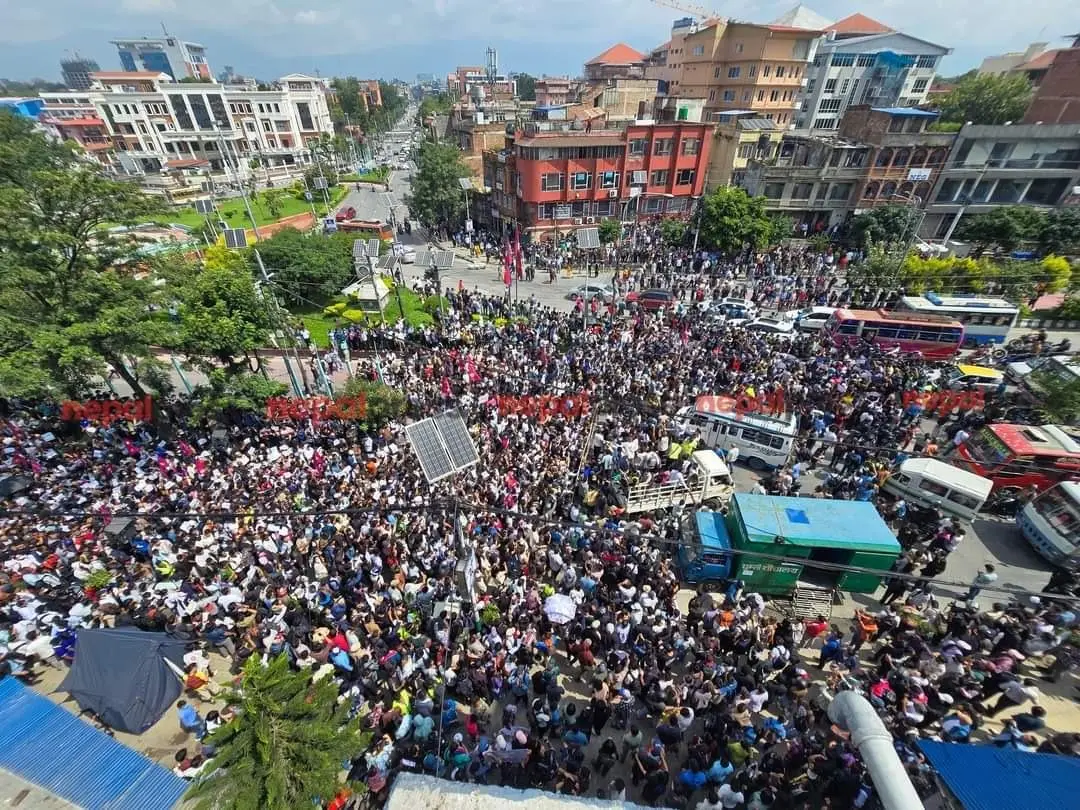
Kathmandu: The Kathmandu District Administration Office has extended the curfew in the city following clashes between police and protesters, primarily from the so-called “Gen Z,” who were demonstrating against government corruption and the recent social media ban, Nepalese media reported.
Since Friday, the Nepalese government has blocked 26 unregistered platforms, including major sites like Facebook, YouTube, and X, leaving millions of users frustrated and cut off from key channels for entertainment, news, and business. Popular apps such as Instagram remain inaccessible for many, intensifying public outrage.
The protesters marched through the capital waving national flags, beginning the demonstration by singing the national anthem. They then raised their voices in chants opposing both the social media ban and the entrenched culture of corruption in Nepal.
The curfew has now been reportedly expanded to cover key government and official zones, including the President’s residence at Shital Niwas, Maharajgunj, the Vice-President’s residence in Lainchaur, all sides of Singha Durbar, the Prime Minister’s residence in Baluwatar, and surrounding areas, reported The Kathmandu Post.
According to news outlets, protesters stormed the Federal Parliament premises in New Baneshwor.
Why protests?
Last month, Nepal’s cabinet gave the affected companies seven days to register in the country, establish a point of contact, and appoint a resident grievance-handling officer and compliance officer. This directive followed a Supreme Court order issued in September last year.
In a statement on Sunday, the government emphasised that it respects freedom of thought and expression and is committed to “creating an environment for their protection and unfettered use.”
Nepal has a history of restricting access to popular online platforms. In July, for instance, the government blocked the Telegram messaging app, citing concerns over a rise in online fraud and money laundering.
These measures come amid growing frustration among young Nepalis, who staged protests in Kathmandu against the social media bans and widespread corruption in the country.