Pope and Imam of Southeast Asia's largest mosque sign declaration against religion stoking conflict
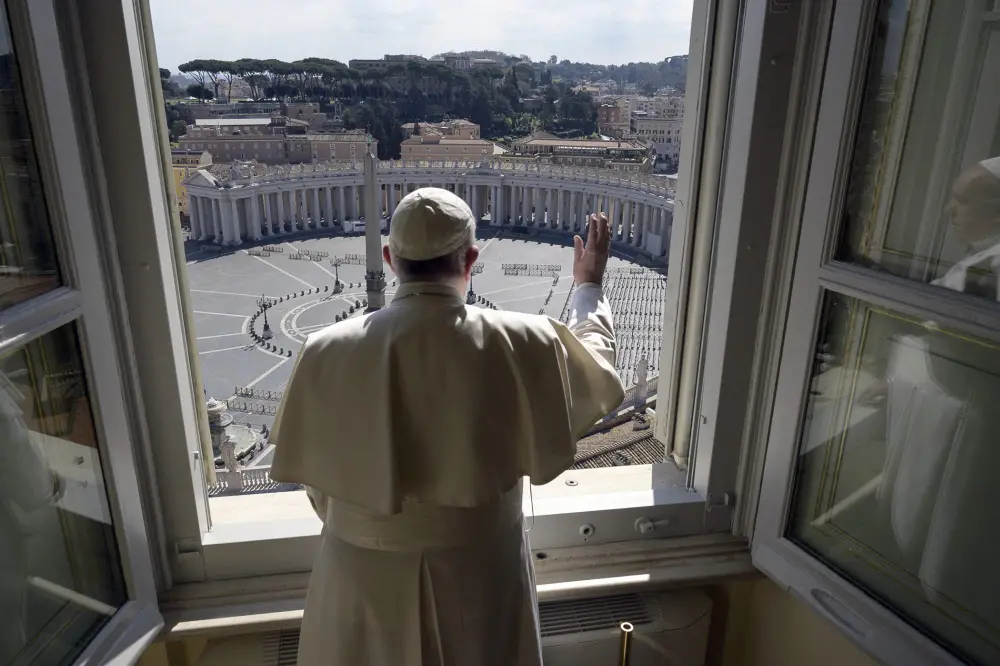
Pope Francis and Nasaruddin Umar, Grand Imam of Istiqlal Mosque -- the Southeast Asia's largest mosque -- joined forces to promote peace and environmental protection, issuing a powerful joint call for interfaith unity and cooperation. The two faith leaders have signed a joint declaration cautioning against the misuse of religion to fuel conflicts. The two leaders expressed their shared concern about the "dehumanizing" effects of violence and the exploitation of religion for destructive purposes, without specifically mentioning any particular conflict.
Pope Francis participated in an interfaith gathering with representatives from Indonesia's six officially recognized religions: Islam, Buddhism, Confucianism, Hinduism, Catholicism, and Protestantism.
What does the declaration say?
The 'Istiqlal Joint Declaration 2024: Solidifying Interfaith Concord for Humanity' was signed during an interfaith dialogue at Istiqlal Mosque. The declaration addresses shared concerns, including humanitarian issues affecting various regions.
While other religious representatives present did not co-sign the document, they were acknowledged by organizers as having "accompanied" it.
The 'Istiqlal Declaration' emphasizes that religion should never be exploited to justify conflict or violence, but rather utilized to resolve disputes and promote human dignity. It also urges "decisive action" to protect the environment and its resources, attributing the current climate crisis to human activities.
The document states, "The human exploitation of creation, our common home, has contributed to climate change, leading to devastating consequences such as natural disasters, global warming, and unpredictable weather patterns. This ongoing environmental crisis has become a significant obstacle to the harmonious coexistence of peoples."
Earlier, Grand Imam Umar emphasized the significance of this joint statement, believing it will have a positive impact on the world and inspire people to continue pursuing peace.
Taking The Tunnel of Friendship
At the 'Tunnel of Friendship', a connecting passageway between the mosque and the neighboring Catholic cathedral, Francis and Umar stood together, emphasizing their shared commitment to interfaith friendship and cooperation.
This tunnel serves as a potent symbol of Indonesia's dedication to religious freedom, as enshrined in its constitution, despite challenges from discrimination and violence against religious minorities.
Francis praised the tunnel as a powerful representation of how different religious traditions can come together to navigate life's challenges, with their eyes fixed on the light.
He emphasized the importance of fraternity in responding to today's challenges, urging respect for others' identities and a common path forward in friendship and towards the light.
Pope's Trip To Asia and Oceania
During his 11-day, four-nation trip to Asia and Oceania, Francis aims to encourage Indonesia to combat religious extremism and pledge the Catholic Church's commitment to greater fraternity.
His papacy has prioritized improving Catholic-Muslim ties, and he has made it a point to visit majority Muslim nations to further this agenda. Additionally, Francis has stressed the moral imperative of addressing climate change and caring for God's creation.
The Pope's trip to Indonesia, which began on September 3, is part of his Asia-Pacific apostolic journey, which will also take him to Papua New Guinea, Timor-Leste, and Singapore before concluding on September 6.
AFP